

Sinking Office Chair? How to Safely Replace Your Gas Lift Cylinder
 ErgoHuman Staff17 July 20265 Mins read
There’s nothing quite as frustrating as sitting down at your desk, getting settled into your work, and then slowly drifting downward as your chair quietly sinks beneath you. A sinking office chair is one of the most common mechanical issues office chairs develop over time, and thankfully, it’s usually caused by a single, well-understood component: a worn gas lift cylinder. Shop New Range Now!
This guide explains why chairs sink in the first place, how to confirm the gas lift is actually the problem, what’s involved in replacing it safely, and when it might make more sense to invest in a new chair altogether.
Why Office Chairs Sink Over Time
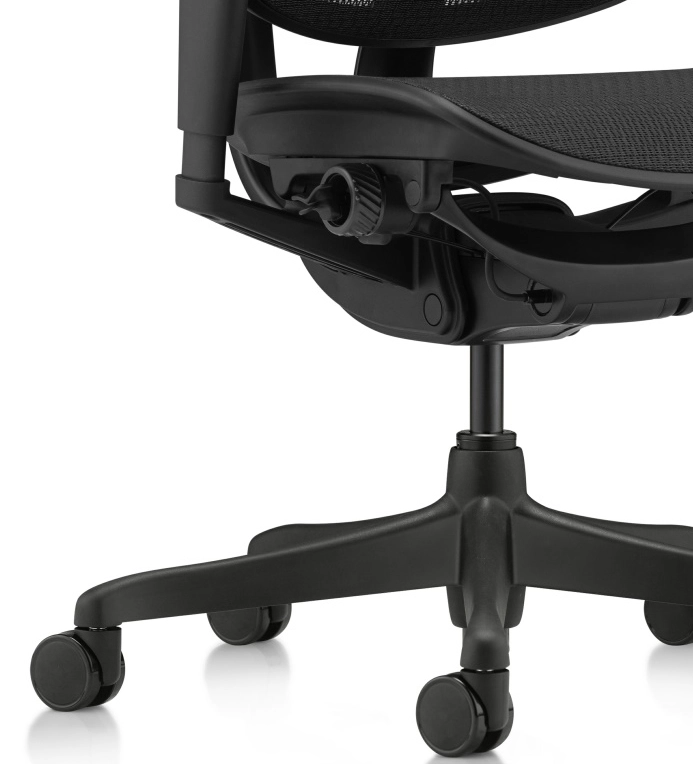
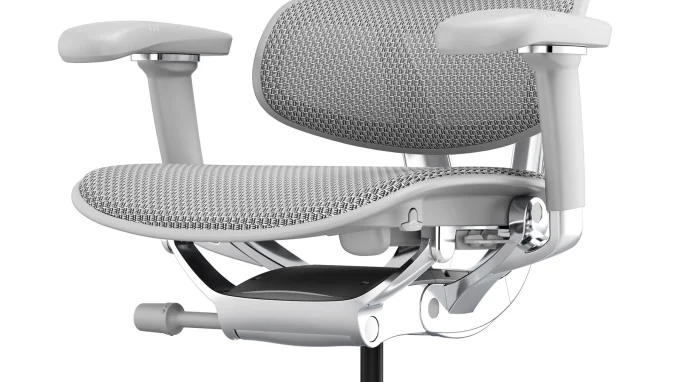
The gas lift cylinder is the pneumatic component inside the base of your chair responsible for raising, lowering, and holding your seat height in place. Inside the cylinder sits a sealed chamber of pressurised gas, along with a piston and internal seals that maintain that pressure when you sit down.
Over months or years of daily use, a few things typically go wrong:
- The internal seals wear down, allowing pressurised gas to slowly leak out
- The piston mechanism loses its ability to hold position, causing gradual sinking under body weight
- Repeated height adjustments over time accelerate wear on the internal components
- Heavier daily use or higher body weight places additional strain on the seals, shortening the cylinder’s working life
Once the seal begins to fail, the cylinder can no longer maintain pressure against your body weight, and the seat slowly lowers, sometimes gradually over the course of a workday, sometimes suddenly the moment you sit down.
How to Confirm It’s Actually the Gas Lift
Before assuming your gas lift is the culprit, it’s worth ruling out a few other possibilities:
Test the Height Adjustment Lever
Sit in the chair and try adjusting the height lever normally. If the seat rises briefly when the lever is engaged but then sinks again once you sit down, this strongly points to a failing gas lift.
Check for a Slow Sink vs. Sudden Drop
A gas lift that gradually loses height over several minutes usually indicates a slow seal leak. A chair that drops suddenly and completely often means the seal has failed more significantly, or the mechanism has come loose entirely.
Rule Out the Tilt Mechanism
Some chairs have a separate tilt tension or recline mechanism that can be mistaken for a gas lift issue. If the seat height stays consistent but the backrest feels loose or overly reclined, the tilt mechanism, rather than the gas lift, may be the actual issue.
Inspect for Visible Damage
Look at the cylinder itself for any visible dents, rust, or leaking fluid. Physical damage to the cylinder housing is a clear sign it needs replacing rather than repairing.
If your chair sinks specifically under body weight regardless of how the height lever is adjusted, a worn gas lift is almost certainly the cause.
Safety Considerations Before You Start
Gas lift cylinders are sealed, pressurised components, and while replacing one is a manageable job for most people, a few safety points are worth keeping in mind:
- Never attempt to puncture, drill into, or forcibly disassemble a gas lift cylinder, as it is pressurised and can cause injury if opened incorrectly
- Always remove the old cylinder using the manufacturer-recommended method rather than improvising with tools not designed for the job
- Work on a stable, flat surface with the chair base fully supported
- If you’re uncertain at any point, it’s safer to have the replacement carried out by a professional or the chair manufacturer’s support team
Treating the cylinder with appropriate care throughout the process keeps the job straightforward and avoids any unnecessary risk.
What You’ll Typically Need for the Replacement
Most gas lift replacements require only a small set of basic tools:
- A rubber mallet or similar soft-headed tool
- A replacement gas lift cylinder matched to your specific chair model
- A stable, flat work surface
- Optionally, a chair base separator tool, which can make removal easier and reduce the risk of damaging the base
Because gas lift cylinders vary in height, diameter, and mounting style between brands and models, it’s important to source a replacement designed specifically for your chair rather than assuming a universal fit will work correctly.
General Steps Involved in Replacing a Gas Lift
While the exact process can vary slightly by chair design, replacement generally follows this pattern:
- Remove the seat from the base by separating the seat plate from the top of the cylinder, usually with firm, even pressure or light tapping with a mallet
- Remove the old cylinder from the wheelbase, typically using a similar controlled, even-pressure approach
- Insert the new cylinder into the wheelbase, ensuring it seats fully and securely
- Reattach the seat plate to the top of the new cylinder, checking that it’s aligned correctly before use
- Test the chair carefully before returning to full daily use, checking that height adjustment and stability both feel correct
If at any stage the cylinder doesn’t move as expected or feels unusually resistant, it’s best to pause and check manufacturer guidance for your specific chair model rather than applying excessive force.
When Replacing the Gas Lift Makes Sense
A gas lift replacement is generally a worthwhile fix when:
- The rest of the chair, including the mesh, frame, and armrests, remains in good condition
- The chair is a higher-quality model originally built for long-term use
- Replacement parts are readily available for your specific chair model
- The cost of the replacement part is meaningfully lower than replacing the entire chair
For well-built ergonomic chairs designed to last many years of daily use, replacing a single worn component like the gas lift is often a far more economical choice than buying an entirely new chair.
When It’s Time to Consider a New Chair Instead
In some cases, replacing the gas lift isn’t the most practical option. Consider a full chair upgrade if:
- The mesh, frame, or armrests are also showing significant wear alongside the sinking issue
- Your current chair no longer supports your body properly even when functioning correctly
- Replacement parts for your specific model are difficult to source
- You’ve been experiencing back or posture discomfort that a simple mechanical fix won’t resolve
If you’re at the point of considering a full replacement, it’s worth choosing a chair genuinely built for long-term durability from the outset, rather than repeating the same cycle of wear in just a few years.
Choosing a Chair Built to Avoid This Problem Down the Track
If your current chair has reached the end of its practical lifespan, it’s worth investing in a model engineered specifically for long-term, daily commercial use rather than a budget option likely to develop the same issues again within a year or two.
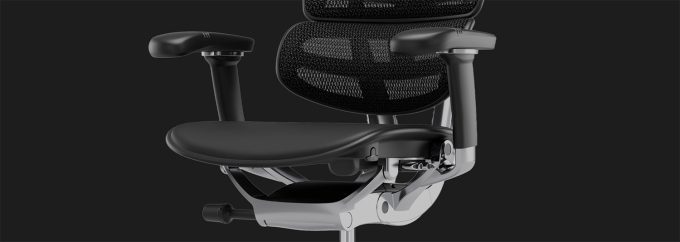
The Ergohuman range is built around durable, commercial-grade components designed to withstand years of full-time use, including reinforced gas lifts rated for extended daily wear. For buyers wanting the latest engineering and materials, the Ergohuman 2 New Range offers updated mechanisms and W-Mesh construction built specifically to hold up under sustained daily pressure.
Keeping Your Chair Running Smoothly Long-Term
Whether you’ve just replaced a gas lift or you’re maintaining a newer chair, a few simple habits help extend the working life of the mechanism:
- Avoid excessive, repeated height adjustments where possible
- Keep the cylinder area free of dust and debris
- Address any early signs of sinking promptly, rather than continuing to use a failing cylinder under load
- Source genuine replacement parts matched specifically to your chair model when a repair is needed
If you do need replacement parts down the track, from gas lifts to castors and mesh components, the Ergohuman accessories range covers genuine parts designed specifically for these chairs, helping you keep your setup running properly for years to come.
Final Thoughts
A sinking office chair is almost always a sign of a worn gas lift cylinder rather than a fault with the rest of the chair. For well-built ergonomic chairs, a straightforward, carefully handled replacement can restore full function without the cost of buying an entirely new chair. That said, if your chair is showing wear across multiple components, or simply isn’t supporting you the way it should, it may be the right time to invest in a chair built for long-term reliability from the start.
Not sure whether to repair or replace? Get in touch with our team for honest advice on fixing your current chair or finding the right long-term ergonomic replacement for your workspace.

Office Chairs in Australia | Ergohuman® Official Store
Australians are spending more time than ever seated at a desk and...
ErgoHuman Staff14 May 2026
Ergohuman vs Aeron
Lets compare Ergohuman vs Aeron office chairs side by side. The Herman...
 Robert Walker1 August 2016
Ergohuman vs Ikea Markus
We compare Ergohuman vs Ikea Markus office chair with the range of...
Robert Walker1 July 2016

Ergohuman vs Steelcase Leap
Compare Ergohuman vs Steelcase Leap Chair. Comparison guide between the Ergohuman Elite...
Robert Walker1 July 2016