

Ergohuman Elite vs Ultra: Which Ergonomic Office Chair Should You Buy?
 ErgoHuman Staff31 July 20268 Mins read
Choosing between the Ergohuman Elite vs Ultra can be confusing because both chairs share many of the same core ergonomic functions and are designed for people who spend long hours working at a desk. At Ergohuman Australia, the Ultra sits as the more accessible entry point into the Generation 2 family, while the updated Elite Mark II adds several refinements for buyers who want additional adjustment, a more premium chassis and greater control over their sitting position. The right choice depends less on which chair is simply “better” and more on which features you will actually use every day.
For Australian home-office users, professionals and businesses, both models provide adjustable lumbar support, seat-depth adjustment, backrest-height adjustment, synchro-tilt, forward tilt and recline functionality. The differences become clearer when you look at armrest adjustment, chassis construction, recline controls, weight ratings, warranty and price.
This Ergohuman Elite vs Ultra guide explains those differences so you can decide which model offers the best value for your workspace in 2026.
Ergohuman Elite vs Ultra: What Is the Main Difference?
The Ergohuman Ultra and Elite share the same basic ergonomic philosophy.
Both are designed around a highly adjustable seat and backrest rather than forcing every user into one fixed position. Both allow changes to lumbar pressure, backrest height, seat height, seat depth and recline tension.
The Ultra is positioned as the simpler and more affordable model. It retains most of the ergonomic functions people expect from an Ergohuman chair while using a reinforced polymeric composite chassis and 4D armrests.
The Elite Mark II moves further into the premium end of the range.
It adds 5D adjustable armrests, a redesigned chassis, seat-tension control and a recline limiter. These upgrades do not completely transform the basic sitting experience, but they give the user more control over how the chair responds and how the arms are supported.
For someone comparing Ergohuman Elite vs Ultra, the decision therefore comes down to whether those additional controls justify the higher purchase price.
Ergohuman 2 Ultra: Who Is It Designed For?
The Ergohuman 2 Ultra is designed for buyers who want the core Ergohuman ergonomic experience without moving immediately into the more expensive Elite or Luxury ranges.
It includes adjustable lumbar pressure, backrest-height adjustment, seat-height adjustment, seat-slide adjustment and a synchro-tilt mechanism.
The Ultra also includes forward tilt, allowing the chair to move slightly forward from the upright position during active desk work.
Its free-float recline extends to approximately 48 degrees, and the recline can be locked into multiple positions.
For many Australian office workers, these are already the most important ergonomic functions.
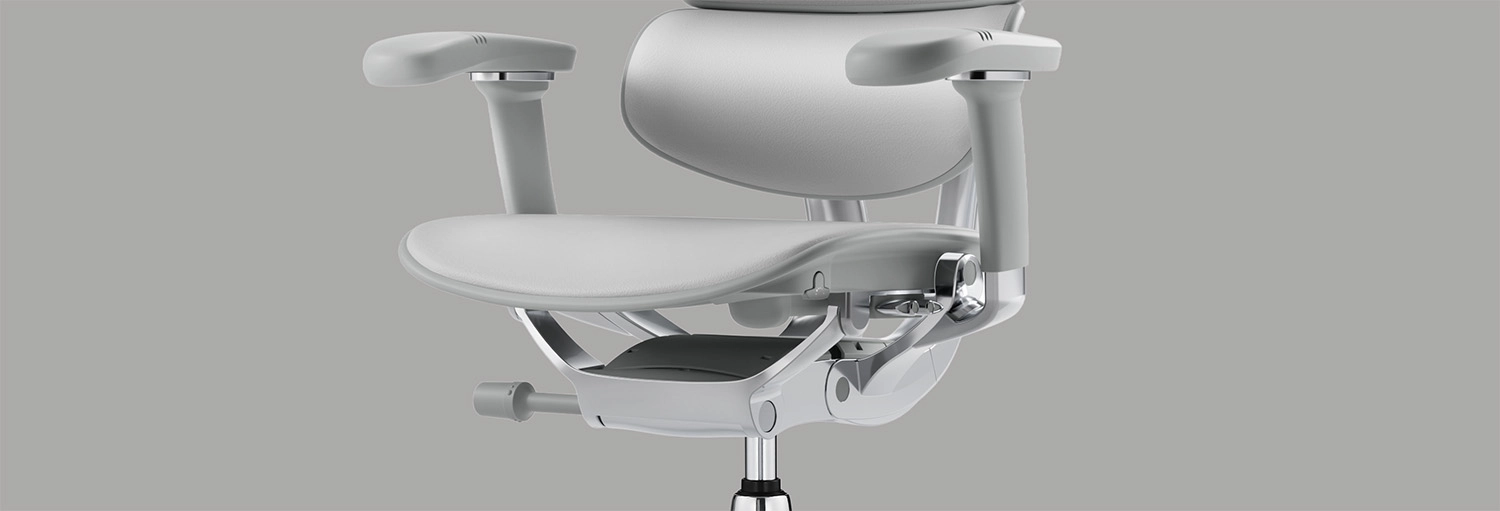
The Ultra also uses 4D adjustable armrests. These allow adjustment for height, width, depth and angle, giving the user considerable control over where the arms sit while typing or using a mouse.
This makes the Ultra a strong option for someone who wants extensive ergonomic adjustment but does not necessarily need every premium refinement available in the Elite Mark II.
Ergohuman 2 Elite Mark II: What Does the Upgrade Add?
The Ergohuman 2 Elite Mark II builds on the same ergonomic foundation but introduces several important upgrades.
One of the most noticeable changes is the move from 4D to 5D armrests.
The extra movement gives the armrests greater flexibility, which can be particularly useful for users who change between keyboard work, mouse use, mobile devices and reclining throughout the day.
The Elite Mark II also introduces a new streamlined chassis design.
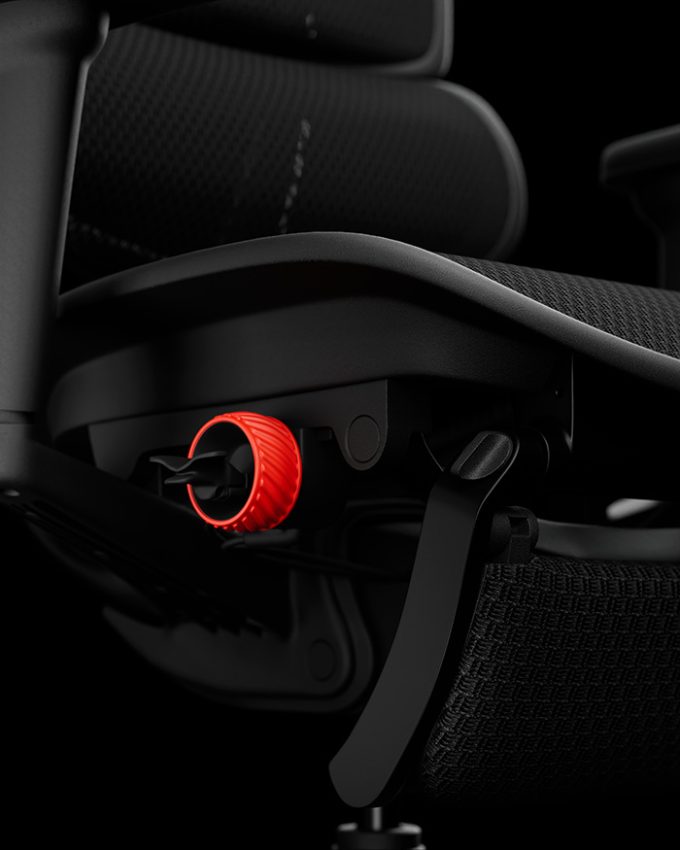
More importantly, it includes seat-tension control and a recline limiter. These features provide additional control over how the chair moves and how much resistance the user experiences.
The Elite therefore feels more customisable rather than simply more expensive.
For buyers searching for the best Ergohuman model 2026, the Elite Mark II sits in an attractive middle position because it adds meaningful adjustment without moving all the way to the highest-priced Luxury SE models.
Comparing the Recline and Tilt Mechanisms
Both chairs provide strong recline functionality.
The Ultra includes synchro-tilt, forward tilt, free-float recline, recline-tension adjustment and four lockable recline positions.
This means the user can move between upright work, forward-leaning concentration and a more relaxed reclined position without needing an entirely different chair setup.
The Elite Mark II retains those core functions but adds more control through the updated mechanism.
Its new recline limiter allows users to restrict the available recline range according to personal preference.
Seat-tension control also helps fine-tune how the chair responds.
This difference may not matter to someone who generally locks the chair in one position and leaves it there.
However, people who frequently alternate between typing, meetings, reading and reclining may appreciate the Elite’s additional control.
Forward Tilt on the Ultra and Elite
Forward tilt is one feature that both models share.
This is important because forward tilt is often associated with the more advanced models in ergonomic chair ranges.
When activated, the chair allows the user to lean slightly forward while maintaining support from the seat and backrest.
This can be useful during detailed work where the natural tendency is to move closer to the desk.
Without appropriate chair support, users often lean forwards by moving away from the backrest entirely.
Forward tilt provides another option.
Because both models include this functionality, buyers should not assume that choosing the Ultra means giving up one of Ergohuman’s most useful active-working features.
Ergohuman Elite vs Ultra Armrest Adjustment
Armrests represent one of the clearest differences in the Ergohuman Elite vs Ultra comparison.
The Ultra uses 4D armrests.
They adjust for height, width, depth and angle, which is already considerably more flexible than the fixed or simple height-adjustable armrests found on many basic office chairs.
The Elite Mark II uses 5D armrests.
The additional movement provides more positioning flexibility and makes the armrests easier to adapt to different working activities.
This difference becomes more noticeable for people who pay close attention to forearm and shoulder positioning.
A user spending most of the day typing in one position may be completely satisfied with the Ultra.
Someone frequently changing tasks or wanting the greatest possible armrest adjustment may find the Elite Mark II more worthwhile.
Lumbar Support: Is the Elite Better?
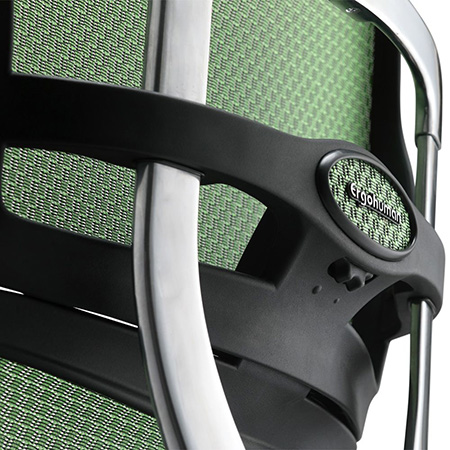
Both chairs use Ergohuman’s separated lumbar-support approach.
The lower lumbar section provides adjustable pressure, allowing users to increase or reduce resistance based on personal comfort.
Backrest height can also be adjusted to help position the lumbar support correctly against the body.
Because these fundamental functions are available on both models, the Elite does not automatically provide dramatically better lumbar support simply because it costs more.
This is an important point for anyone reading an Ergohuman 2 Ultra review and wondering whether choosing the more affordable model means sacrificing the main ergonomic support system.
For many buyers, it does not.
The larger differences are found in the chassis, armrests and additional movement controls rather than the basic lumbar concept.
Mesh and Upholstery Options
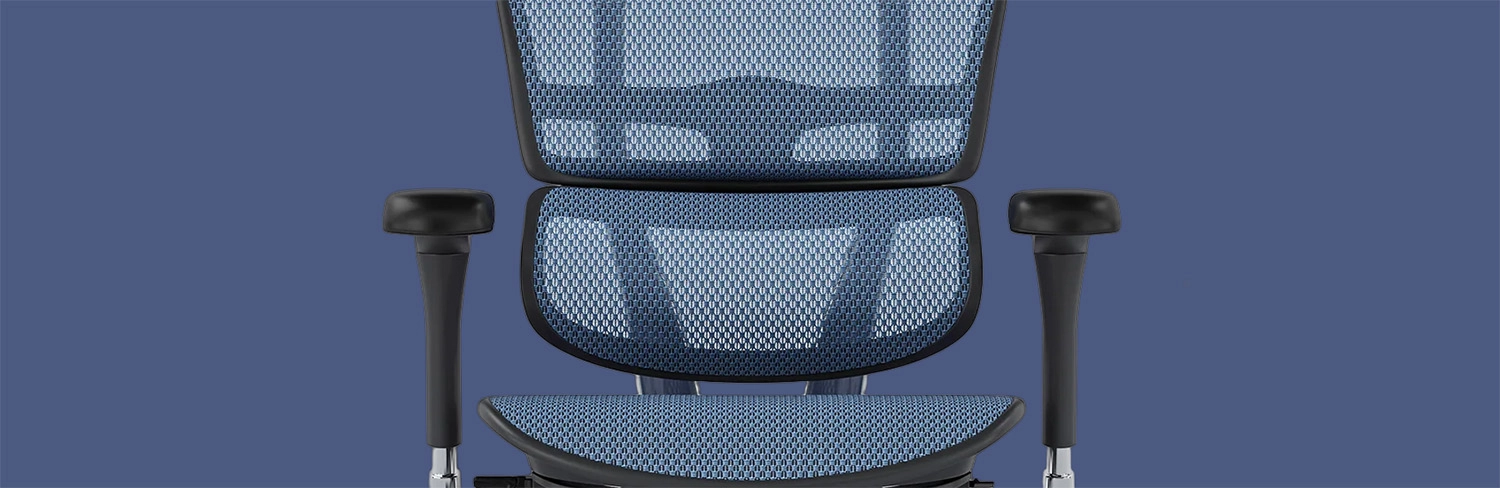
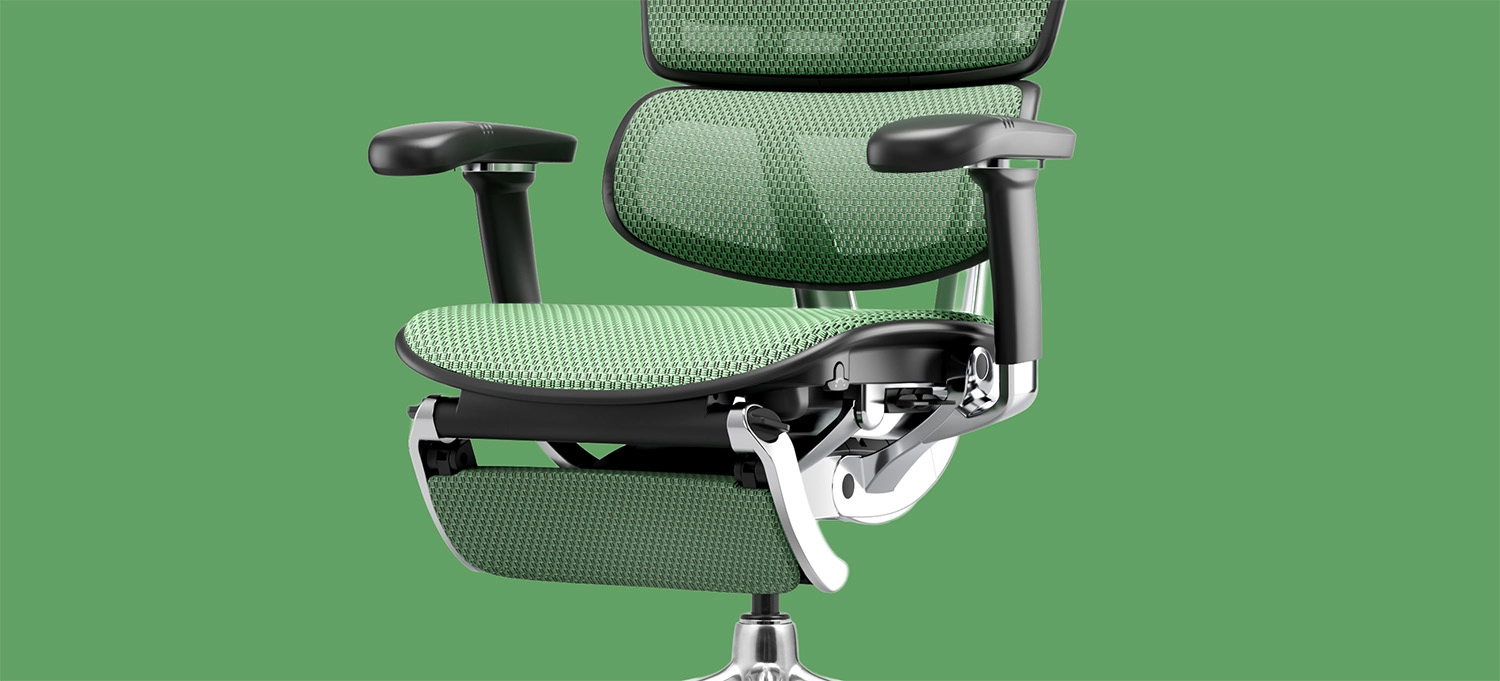
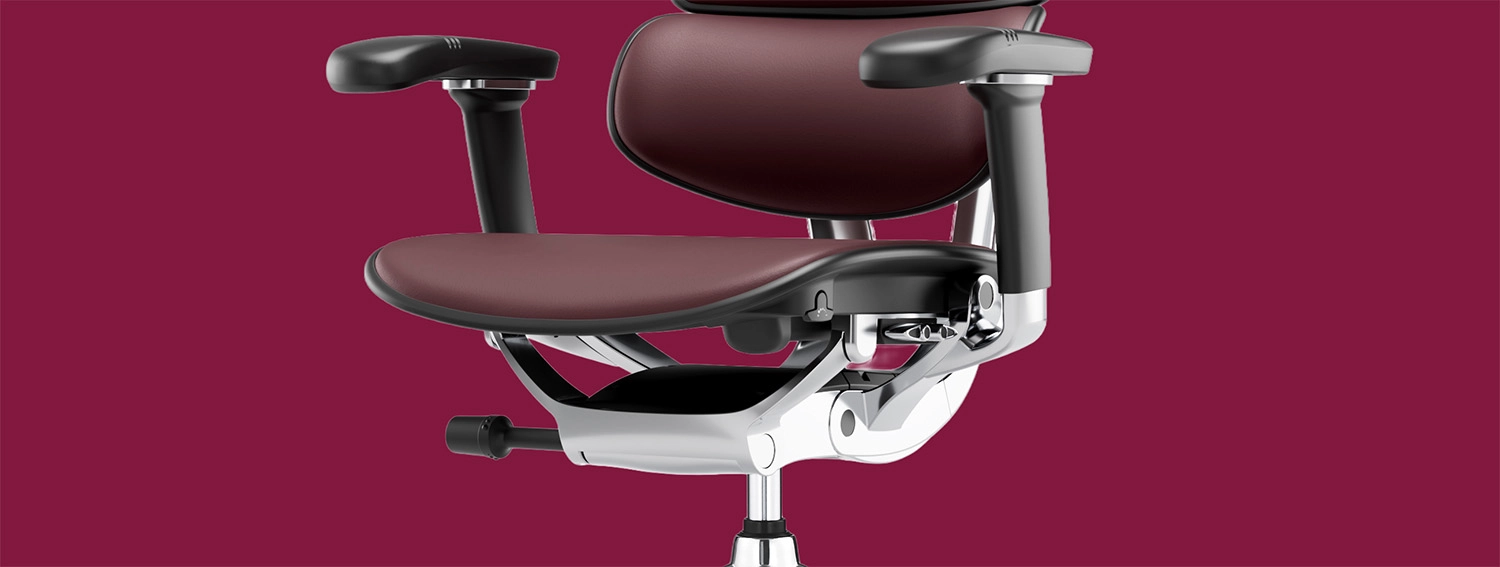
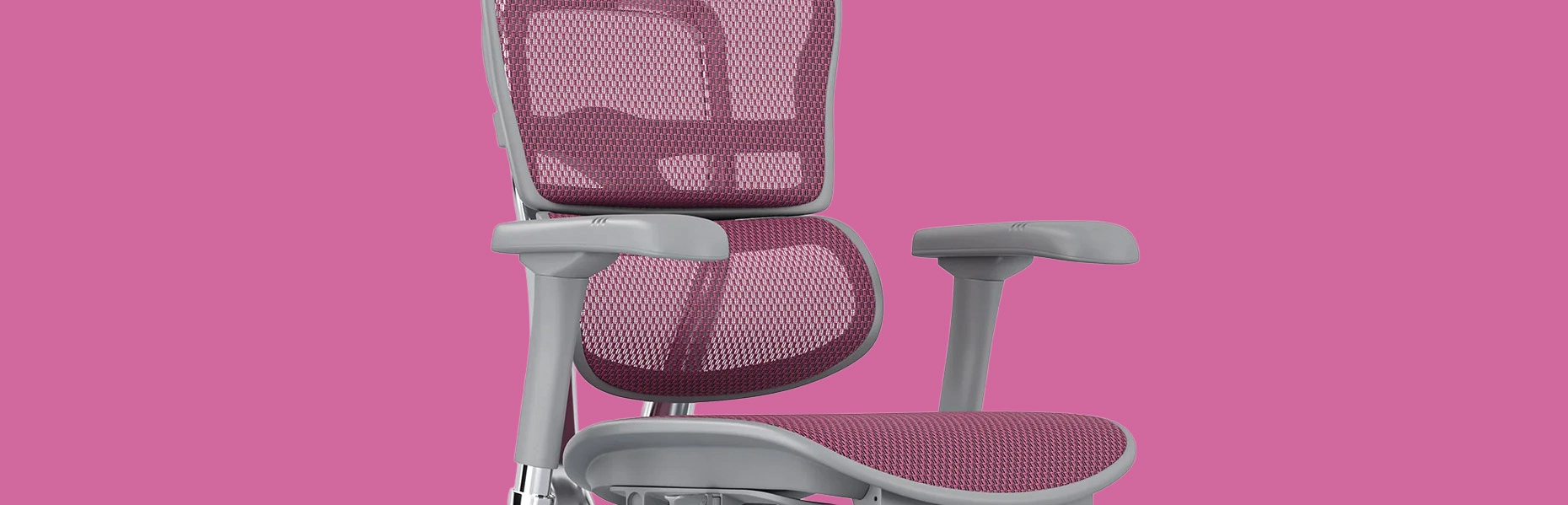
The Ultra is available in full mesh as well as fabric-seat and mesh-back configurations.
This gives buyers the option of prioritising maximum airflow or combining a softer fabric seat with a breathable mesh backrest.
The Ultra uses Ergohuman W-Mesh and is available in several frame and colour configurations.
The Elite Mark II also focuses heavily on mesh seating, including Ergohuman’s T168 elastomeric mesh.
For Australian conditions, mesh can be particularly appealing because it allows greater airflow around the back and seat during warmer working days.
Both chairs therefore remain strong options for home offices and professional workplaces where temperature management matters.
Chassis Construction and Overall Feel
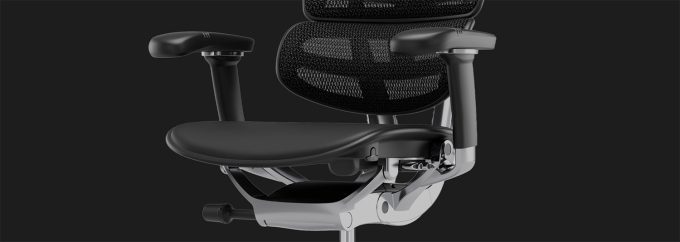
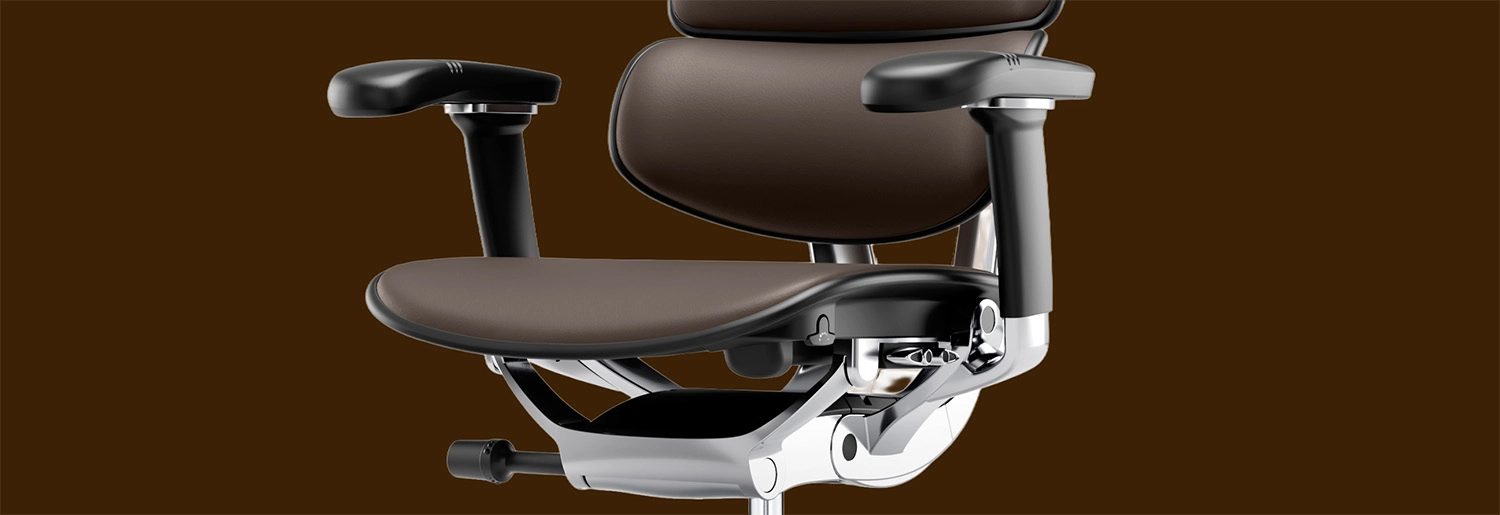
The Ultra uses a reinforced polymeric composite chassis.
This approach reduces weight while retaining a rigid cast-aluminium backrest structure.
The Ultra is therefore intended to provide a balance between durability, ergonomic functionality and value.
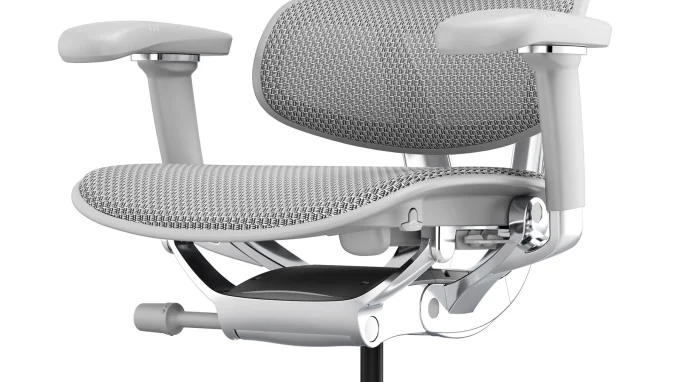
The Elite uses a more premium chassis arrangement and a five-star aluminium base.
Its overall design feels more substantial and is positioned above the Ultra within the Ergohuman range.
This does not mean the Ultra feels like a basic office chair.
It means the Elite places greater emphasis on premium construction and additional mechanism refinement.
For someone who expects to keep the chair for many years and values the tactile feel of adjustment mechanisms and materials, the Elite may justify its additional cost.
Weight Capacity: Ultra vs Elite
Weight capacity is one area buyers should check carefully for their exact chair configuration.
Ergohuman’s current Ultra information describes the Ultra as certified for users up to 120 kg in normal full-time use.
The Elite Mark II product specifications list a maximum body weight of 150 kg.
This gives the Elite an advantage for users who require a higher stated capacity.
Because individual product variants and published specifications can change, buyers near the upper end of the stated limits should always confirm the current specification for the exact model being ordered.
For most average-sized users, however, weight capacity is unlikely to be the deciding factor between the two.
Ergohuman Elite vs Ultra Price Difference
Price is one of the strongest arguments in favour of the Ultra.
At the time of writing, the standard Ultra Mesh is listed around A$740, while the updated Elite Mesh II is listed around A$890.
That creates a difference of approximately A$150 between comparable mesh configurations.
For that additional spend, the Elite provides 5D armrests, its updated chassis, recline limiter, seat-tension control and higher listed maximum body-weight capacity.
Whether those additions are worth A$150 depends on your priorities.
If your main goal is obtaining adjustable lumbar support, seat depth, forward tilt, synchro-recline and strong general ergonomics, the Ultra offers compelling value.
If you are already investing in a premium chair and want greater adjustment flexibility, the Elite upgrade becomes easier to justify.
Ergohuman 2 Ultra Review: Is It the Better Value?
From a value perspective, the Ultra is arguably one of the most interesting models in the Generation 2 range.
It retains most of the ergonomic functions people associate with Ergohuman while keeping the price below the Elite.
The fact that it includes forward tilt, seat-depth adjustment, lumbar-pressure adjustment and multi-position recline means buyers are not purchasing a stripped-back basic chair.
The main compromises are in the armrests, chassis and newer mechanism refinements.
For a home-office user who wants a premium ergonomic experience but has a defined budget, the Ergohuman 2 Ultra range makes a strong case.
Who Should Buy the Ergohuman Elite Mark II?
The Elite Mark II makes the most sense for someone who wants more control and expects to use the chair intensively.
Users who frequently reposition their armrests may appreciate the 5D system.
People who actively use free-float recline and move between several working positions may value the recline limiter and seat-tension controls.
The higher stated maximum body-weight rating may also make the Elite a more suitable option for some buyers.
Its aluminium construction and updated chassis further strengthen its premium positioning.
For people who want to purchase one ergonomic chair and keep it as the centre of their workspace for many years, spending the additional amount on the Elite may therefore feel worthwhile.
Best Ergohuman Model 2026: Ultra or Elite?
There is no universal winner in the Ergohuman Elite vs Ultra comparison.
The Ultra is the better-value choice for buyers who want Ergohuman’s core ergonomic functions without paying for every additional refinement.
It includes the adjustments that matter most to many office workers and remains suitable for long full-time working days.
The Elite Mark II is the better choice for buyers who want more armrest adjustment, greater recline control, the latest chassis updates and a higher stated weight capacity.
The price difference is relatively modest when considered over several years of daily use, which may make the Elite attractive to people who already know they will use those extra features.
Ergohuman Elite vs Ultra: Final Verdict
For most buyers, the Ergohuman Elite vs Ultra decision can be simplified by thinking about how much control you want.
Choose the Ultra if your priority is strong ergonomic functionality, adjustable lumbar support, forward tilt, seat-depth adjustment, 4D armrests and good value.
Choose the Elite Mark II if you want the more advanced 5D armrests, newer chassis, seat-tension control, recline limiter and higher listed maximum body-weight rating.
Both chairs share enough core ergonomic DNA that the Ultra should not be viewed as a completely different or inferior chair.
Instead, it is the more value-focused version of the Ergohuman Generation 2 concept.
The Elite Mark II simply takes that platform further.
Australian buyers can compare the Ergohuman 2 Ultra and Ergohuman 2 Elite Mark II directly to decide which combination of price, adjustment and construction best suits their workspace.
Mesh vs. Leather Office Chairs: Which Is Right for Australian Workspaces?
Choosing between a mesh and a leather office chair is one of...
ErgoHuman Staff27 July 2026
5 Smart Home Office Setup Ideas to Boost Productivity in Australia
Introduction: Why Your Home Office Setup Matters More Than Ever Working from...
ErgoHuman Staff28 March 2026
Ergohuman vs. Herman Miller Aeron: Is the $1,000 Difference Worth It?
Introduction: Choosing the Right Premium Ergonomic Chair in Australia When investing in...
ErgoHuman Staff28 March 2026
How to Fix or Replace Ergohuman Armrests & Castors
Why Even Premium Ergonomic Chairs Need Maintenance How to Fix Ergohuman Armrests...
ErgoHuman Staff28 March 2026