

Ergohuman 2 Elite Review: Is the Elite Mark II Worth the Upgrade?
 ErgoHuman Staff1 September 20265 Mins read
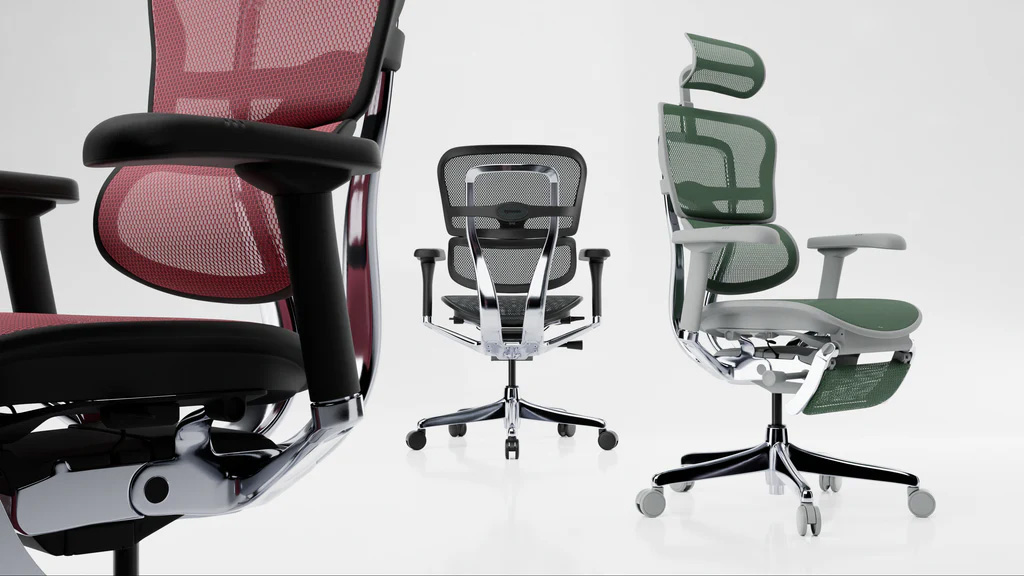
The Ergohuman 2 Elite Mark II has become one of the most searched chairs in the Ergohuman range, and it’s easy to see why. It sits right in that sweet spot between everyday ergonomic chairs and the top-tier Ultra model, promising serious back support and adjustability without the flagship price tag. But does the Mark II actually deliver enough of an upgrade to justify choosing it over the original Elite or over cheaper alternatives altogether?
This review goes through every major part of the Elite Mark II’s design: ergonomics, lumbar support, seat comfort, mesh build, recline, and long-hour performance, so you can decide whether it’s the right chair for your desk in 2026.

Who Is the Ergohuman 2 Elite Mark II For?
The Elite Mark II is built for people who spend the majority of their workday seated remote workers, office staff, developers, and anyone doing 6+ hours at a desk who wants proper ergonomic support without paying for every possible adjustment feature. It’s a strong middle-ground chair: more capable than entry-level mesh chairs, but more accessible than the fully loaded Ultra.
If you’ve been dealing with lower back discomfort at the end of the workday, or you’ve simply outgrown a basic office chair, the Mark II is worth serious consideration. You can see the full spec breakdown on the Ergohuman Elite Mark II product page
What’s New in the Mark II vs the Original Elite?
The “Mark II” naming isn’t just a refresh for the sake of it. The second-generation Elite brings refined lumbar tracking, an updated mesh weave for better long-term shape retention, and smoother recline tension adjustment compared to the original Elite. These aren’t dramatic overhauls, but they’re the kind of refinements that genuinely improve day-to-day comfort once you’ve spent real hours sitting in the chair.
If you already own the original Elite and are wondering whether the Mark II is worth switching to, the improvements are most noticeable in the lumbar region and the recline mechanism the two areas that matter most for full-day sitting.
Ergonomic Adjustments on the Elite Mark II
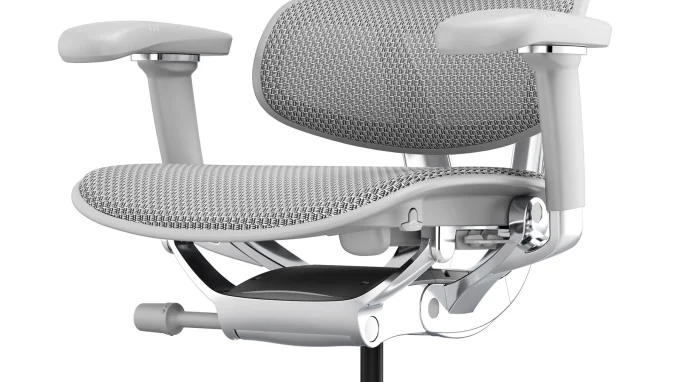
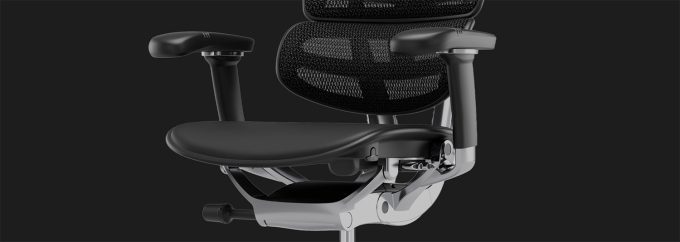
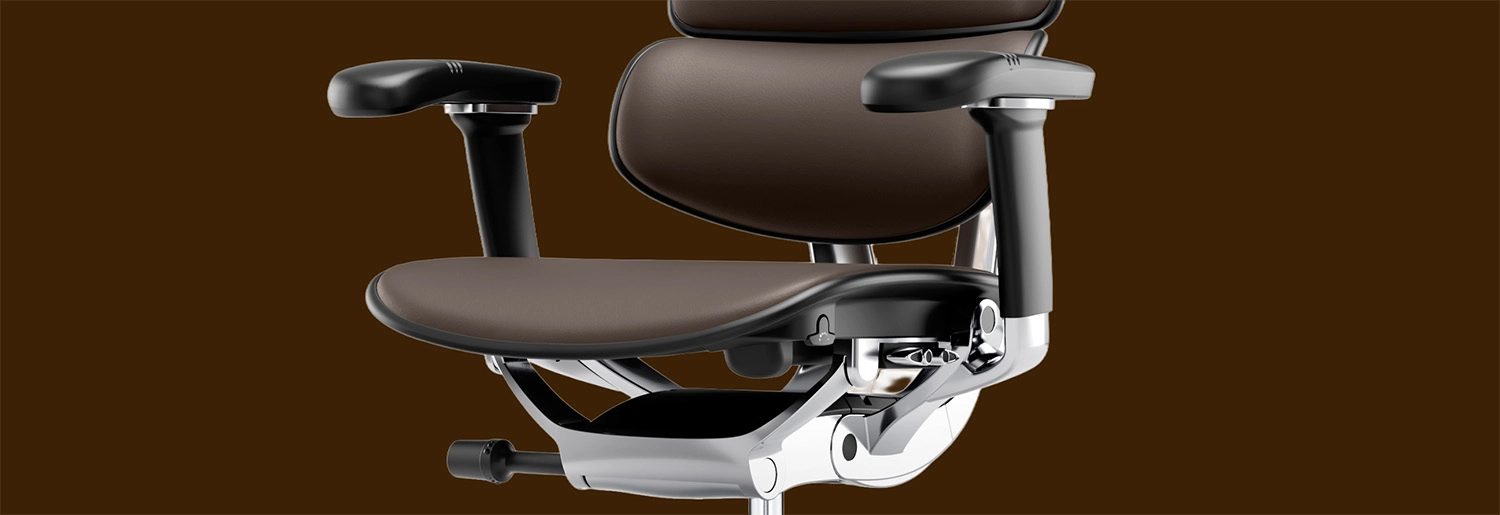
The Elite Mark II offers a well-rounded set of adjustment points: seat height, backrest recline, armrest position, and lumbar depth. It doesn’t try to match the Ultra’s near-total customisation, but what it does offer is enough to properly dial in the chair for most body types.
This is really the core appeal of the Mark II — it gives you meaningful control over fit and posture without overwhelming you with dials and levers. For anyone who wants “set it up once and forget it” ergonomics, this is a genuinely well-balanced approach.
Lumbar Support: The Mark II’s Strongest Improvement
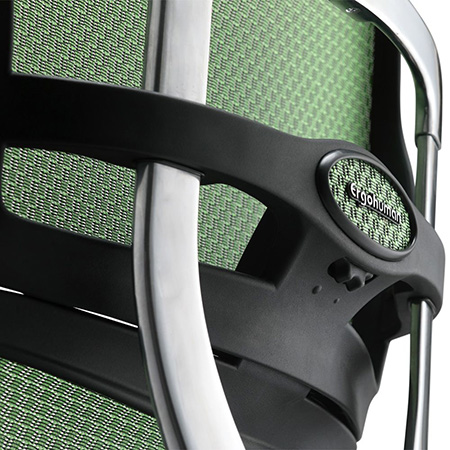
Lumbar support is where the Elite Mark II shows the clearest generational improvement. The updated lumbar mechanism sits closer to the natural curve of the lower spine and holds its position more consistently through recline movement, rather than shifting away from your back as you lean.
For anyone who found the original Elite’s lumbar support a little too generic, the Mark II’s adjustable depth makes a real difference over a full workday. It won’t match the fully independent lumbar tracking of the Ultra, but for the price point, it’s a strong result.
Seat Comfort and Depth
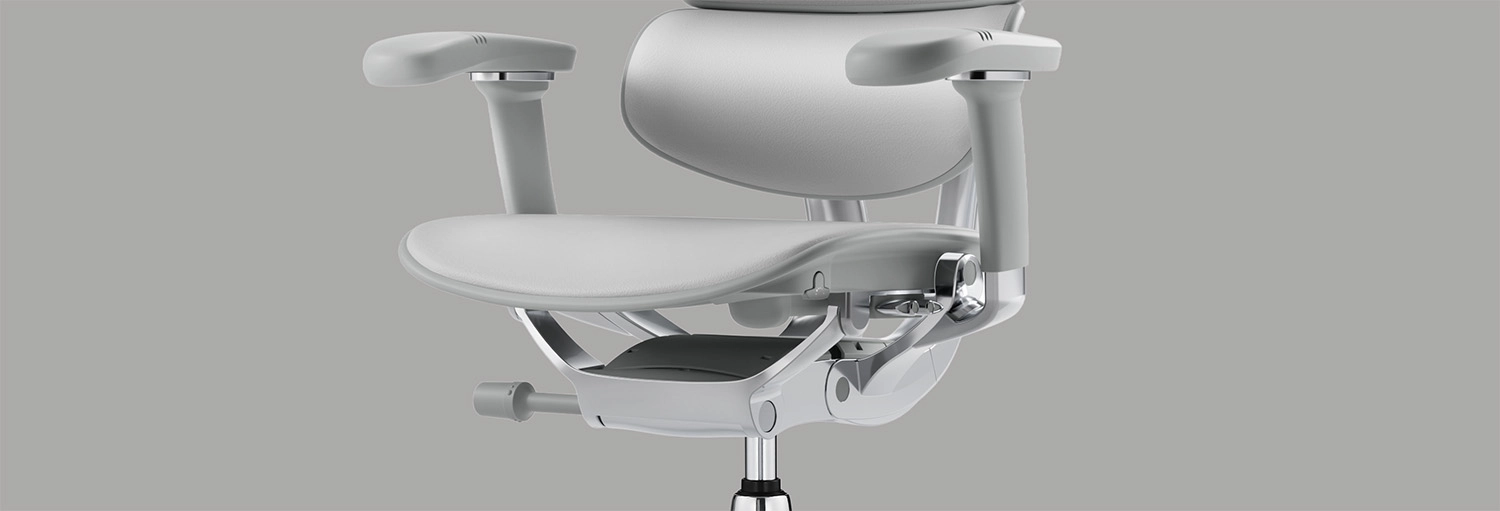
The seat pan on the Elite Mark II strikes a solid balance between cushioning and support firm enough to avoid sagging over months of daily use but padded enough to stay comfortable through long sessions. Seat depth adjustment lets you fine-tune thigh support, so the front edge doesn’t dig in behind the knees, which is a common complaint with cheaper chairs that skip this adjustment entirely.
This matters more than it seems on paper. A seat that’s slightly too deep or shallow undermines everything else about the chair’s ergonomics, no matter how good the lumbar support is.
Mesh Build Quality
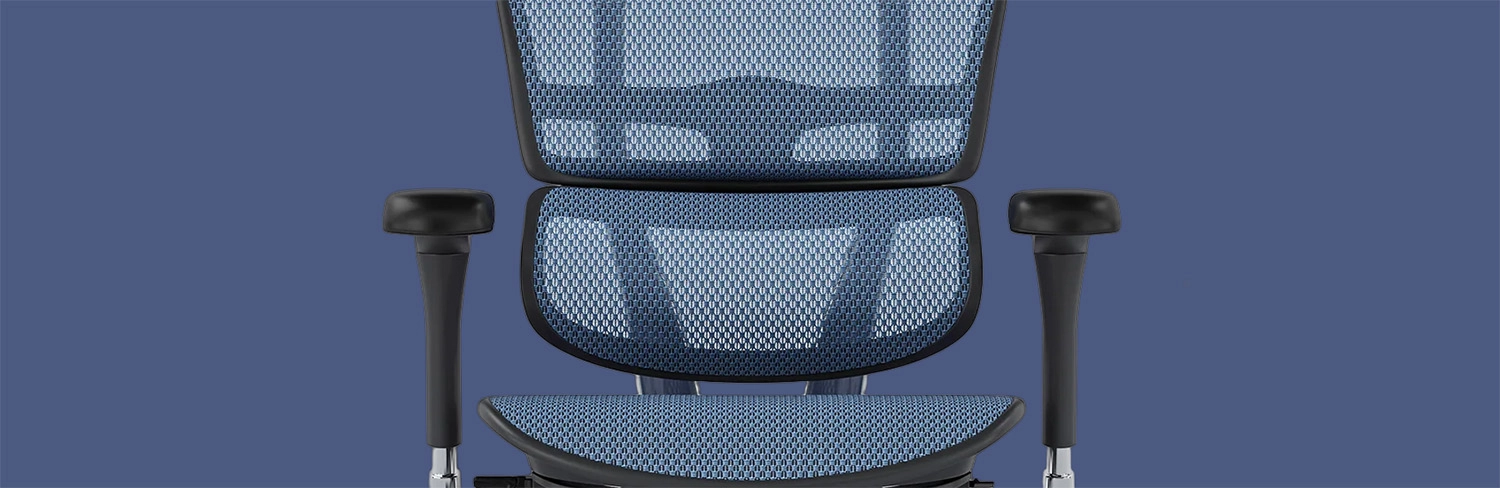
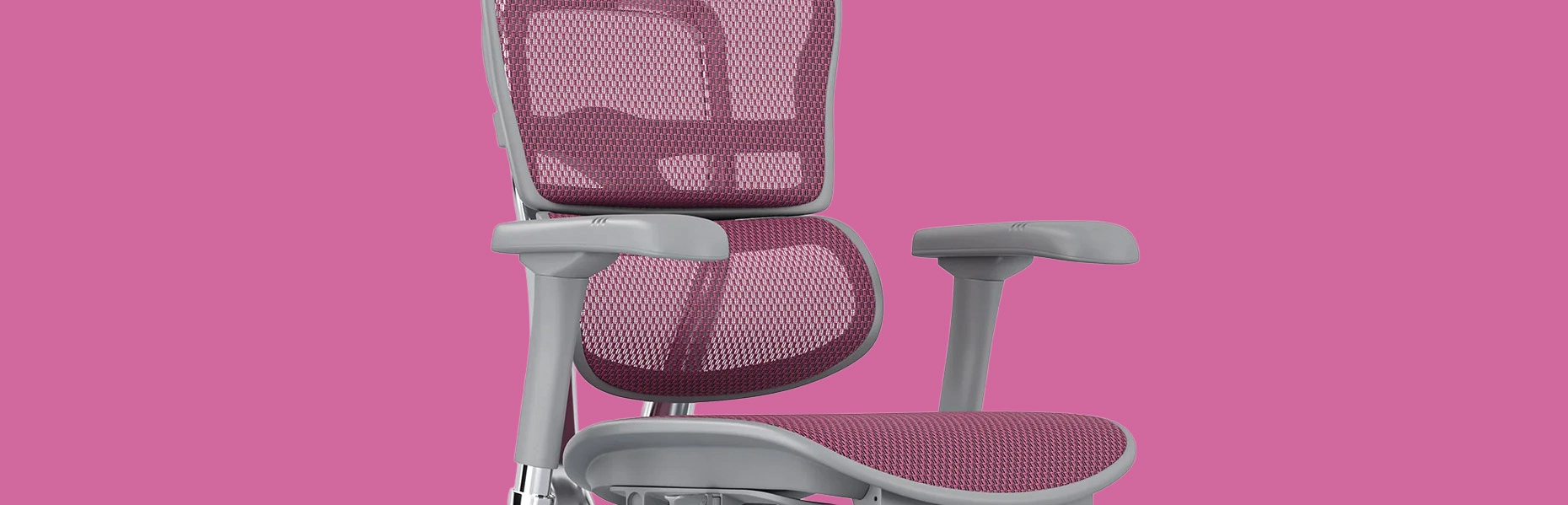
The Elite Mark II uses a breathable mesh back designed to stay cool through long work sessions, particularly useful for anyone working through Australian summers without strong airflow in their home office. The mesh tension is firm enough to provide real back support rather than just breathability for its own sake, which is where cheaper mesh chairs often fall short.
Compared to fabric or PU leather alternatives, the mesh construction on the Mark II holds its shape noticeably better over time, without flattening or sagging in the way padded chairs often do after a year or two of daily use.
Recline and Tilt Mechanism
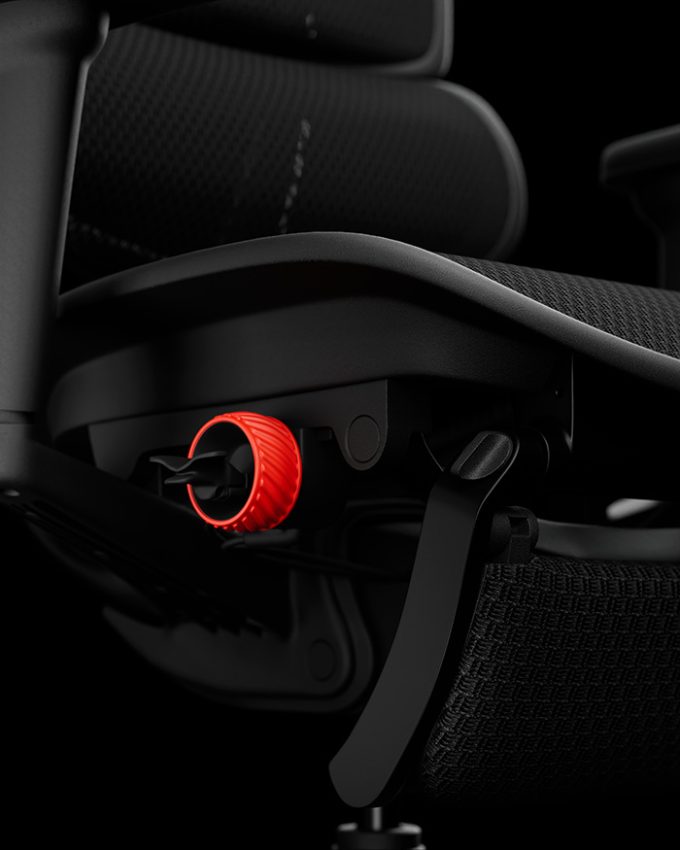
The Mark II’s recline mechanism has been refined for smoother tension adjustment, meaning it’s easier to find a recline resistance that matches your body weight and sitting style. The synchronised tilt keeps the backrest and seat moving together, which helps maintain consistent lumbar contact as you shift between upright focus work and a more relaxed recline.
This is one of the areas where the Mark II most clearly earns its “Mark II” name — the recline feels noticeably more refined than the original Elite.
Long-Hour Comfort: Does It Hold Up?
The real test of any ergonomic chair is how it feels at hour six or seven of a workday, not the first ten minutes. On the Elite Mark II, the combination of adjustable lumbar depth, supportive mesh, and smooth recline tension means pressure doesn’t build up in the lower back the way it does on basic office chairs.
It’s not quite at the level of the Ultra’s all-day performance, but for the price difference, the Mark II delivers a genuinely comfortable full workday sit which is really the metric that matters most for anyone buying a chair to use five days a week.
Elite Mark II vs Ultra: Which Should You Choose?
The Elite Mark II and the Ultra are both strong performers, but they serve slightly different buyers. The Mark II is the better choice if you want strong, reliable ergonomics without paying for maximum adjustability. The Ultra is the better choice if you want to fine-tune every possible adjustment point and you’re dealing with more significant back issues that benefit from a fully independent lumbar system.
If you’re still deciding between the two, it’s worth comparing them directly on the Ergohuman Elite Mark II page before making a final call.
Who Should NOT Buy the Elite Mark II?
The Mark II isn’t the right fit for everyone. If you only sit occasionally, or you’re working with a genuinely tight budget, a simpler chair may serve you just as well. Similarly, if you specifically want maximum customisation with independent control over every adjustment point, you’ll likely find the Ultra a better long-term investment despite the higher price.
The Mark II is best suited to people who want strong, dependable ergonomic support for full-time desk work without needing to fine-tune every last detail.
Final Verdict: Is the Elite Mark II Worth the Upgrade?
After going through lumbar support, seat comfort, mesh quality, recline, and long-hour performance, the Ergohuman 2 Elite Mark II earns its place as one of the strongest mid-tier ergonomic chairs available. The lumbar and recline improvements over the original Elite are genuinely noticeable in daily use, and for most full-time desk workers, it hits a smart balance between price and performance.
To see current configurations and pricing, visit the Ergohuman Elite Mark II. If you’re not sure which chair in the range suits your needs, the team is happy to help reach out through the Ergohuman Contact.
To explore the full range of ergonomic chairs, visit Ergohuman.
What Is a 5D Armrest? A Complete Guide to Office Chair Armrest Adjustment
If you have shopped for an ergonomic office chair recently, you have...
ErgoHuman Staff28 September 2026
When Should You Replace Your Office Chair? 9 Signs It’s Time for an Upgrade
Most people do not think about their office chair until it starts...
ErgoHuman Staff25 September 2026
Is an Expensive Office Chair Worth It? What You’re Really Paying For
A $150 chair and a $1,500 chair can both claim to be...
ErgoHuman Staff22 September 2026
$500 vs $1,000 Office Chair: What Do You Actually Get for the Extra Money?
If you have spent any time comparing chairs online, you already know...
ErgoHuman Staff18 September 2026