



$500 vs $1,000 Office Chair: What Do You Actually Get for the Extra Money?
 ErgoHuman Staff18 September 20265 Mins read
If you have spent any time comparing chairs online, you already know the frustrating part: two chairs can look almost identical in photos, yet one costs $500 and the other costs $1,000 or more. So what is actually different? Is the extra money paying for a logo, or is it paying for something that will genuinely change how your back, shoulders, and hips feel after an eight-hour workday?
This guide breaks down the real, measurable differences between a $500 office chair and a $1,000 office chair materials, mechanisms, adjustability, and long-term value so you can decide which price bracket actually matches how you work.


Why This Price Comparison Actually Matters
Most people do not buy a new office chair every year. A chair is usually a five-to-ten-year purchase, which means the price tag is really a daily-use investment spread over thousands of hours of sitting. A $500 difference sounds significant on the day you buy it, but divided across a decade of full-time work, it can amount to a few cents per day. The real question is not “which chair is cheaper,” but “which chair costs less per hour of comfort and support.”
What a $500 Office Chair Typically Gives You
Chairs in the $500 range are usually a solid step up from a basic big-box store chair, but they still involve compromises.
Materials and Build Quality
At this price point, you will usually find a mesh or fabric backrest, a foam seat pan, and a plastic or reinforced-nylon base rather than aluminium. The materials are functional, but they are chosen to hit a cost target rather than to maximise durability. Padding tends to compress faster, and mesh tension can loosen sooner under daily use.
Adjustability and Ergonomics
Most $500 chairs offer the basics: seat height adjustment, a reclining backrest, and simple armrests. Lumbar support is often fixed or offers only one or two adjustment points, rather than a fully adjustable lumbar system that moves with your spine. Headrests, if included, are usually fixed rather than independently adjustable.
Lifespan and Warranty
Warranty terms in this bracket are typically shorter often one to three years which tells you a lot about how long the manufacturer expects the chair’s core components to last under regular use.
What Changes When You Spend $1,000 or More
Once you move into the $1,000 bracket, the differences are not cosmetic. They show up in the engineering underneath the chair.
Mechanism and Frame Engineering
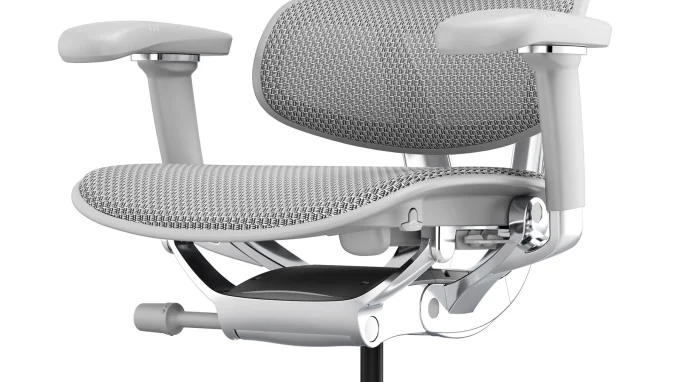
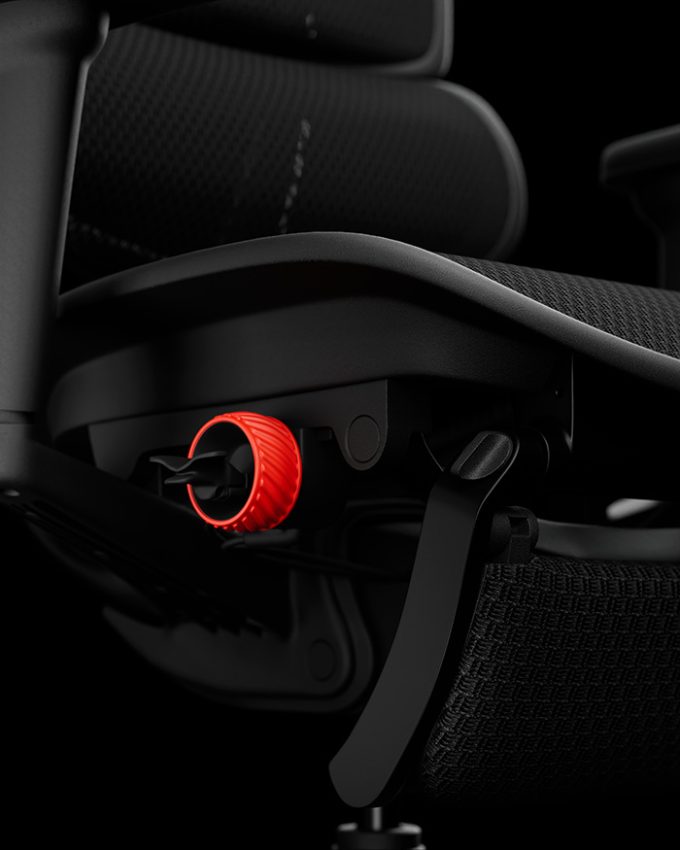
Premium chairs in this range typically use a synchro-tilt mechanism with separate seat tension control, so the recline resistance can be tuned to your body weight rather than using one setting for everyone. A recline limiter lets you lock the backrest at a specific angle instead of only free-floating. The base is usually cast aluminium rather than nylon, which holds up better under sustained daily loads.
Ergonomic Adjustability
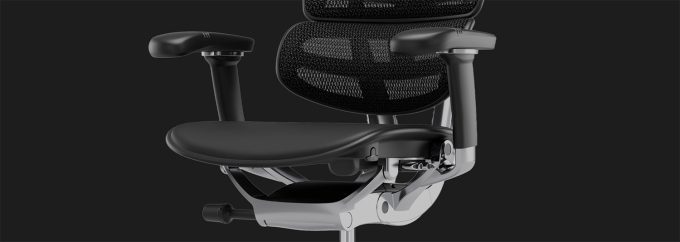
This is where the extra money is most obvious. Instead of one or two lumbar settings, you get adjustable lumbar pressure that follows the natural curve of your lower back. Armrests move on multiple axes height, width, depth, and pivot commonly referred to as 5D armrests, which let you set your elbows and shoulders into a neutral position regardless of your desk height. The headrest usually adjusts independently of the backrest, and the seat depth can slide to match your leg length.
Materials, Mesh, and Upholstery
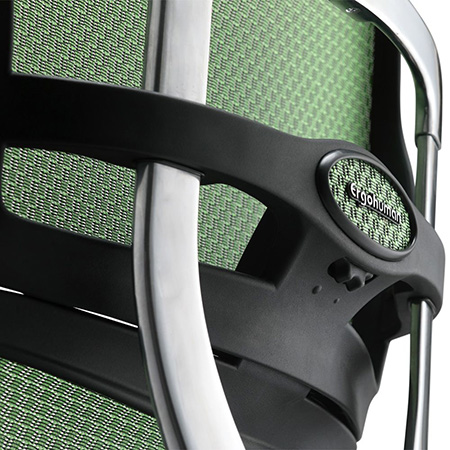
At this price point, manufacturers use elastomeric mesh that keeps its shape and airflow over years of use, rather than sagging. Waterfall seat edges reduce pressure on the back of your thighs during long sitting sessions, and higher-density foam resists compression far longer than budget foam.
Warranty and Long-Term Value
The clearest signal of confidence in build quality is warranty length. Many chairs in this bracket carry a 10-year warranty on the frame and mechanism, compared to one-to-three years on cheaper models. A 10-year warranty means the manufacturer is backing the chair to survive roughly 2,500-plus full working days.
Side-by-Side Comparison: $500 vs $1,000 Office Chair
| Feature | ~$500 Office Chair | ~$1,000 Office Chair |
|---|---|---|
| Base material | Nylon or reinforced plastic | Cast aluminium |
| Lumbar support | Fixed or basic adjustment | Fully adjustable lumbar pressure |
| Armrests | 2D–3D, basic movement | 5D adjustable armrests |
| Recline control | Free recline only | Seat tension control + recline limiter |
| Mesh/upholstery | Standard mesh or fabric | Elastomeric mesh or fabric-mesh combo |
| Seat depth adjustment | Rare | Standard |
| Warranty | 1–3 years | Up to 10 years |
| Weight capacity | Often lower | Typically higher (150kg+) |
Is the Extra Investment Worth It?
The honest answer depends on how many hours you actually sit in the chair.
- Occasional or part-time desk use (under 20 hours a week): A well-reviewed $500 chair is often enough, provided it still offers height adjustment and reasonable lumbar support.
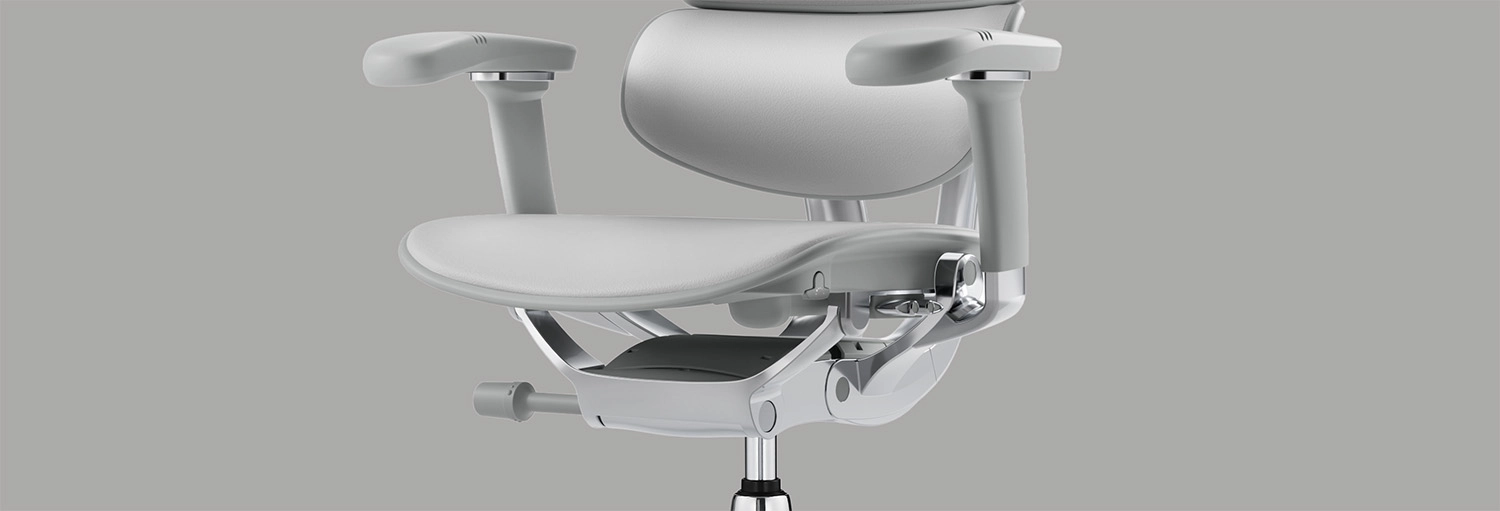
- Full-time desk work, remote work, or gaming (30+ hours a week): This is where a $1,000-bracket chair, such as the Ergohuman 2 Elite Mesh II Grey, earns its price. The adjustable lumbar support, 5D armrests, and stronger mechanism directly reduce the strain that builds up over a full working week.
- Existing back, neck, or shoulder discomfort: Fully adjustable lumbar support and independent headrest adjustment are not luxury features here they are the features most likely to make a measurable difference.
A Real-World Example of the Price Jump
To see this price difference in action rather than in theory, it helps to compare two chairs from the same family, built on the same core engineering, but positioned at slightly different price points.
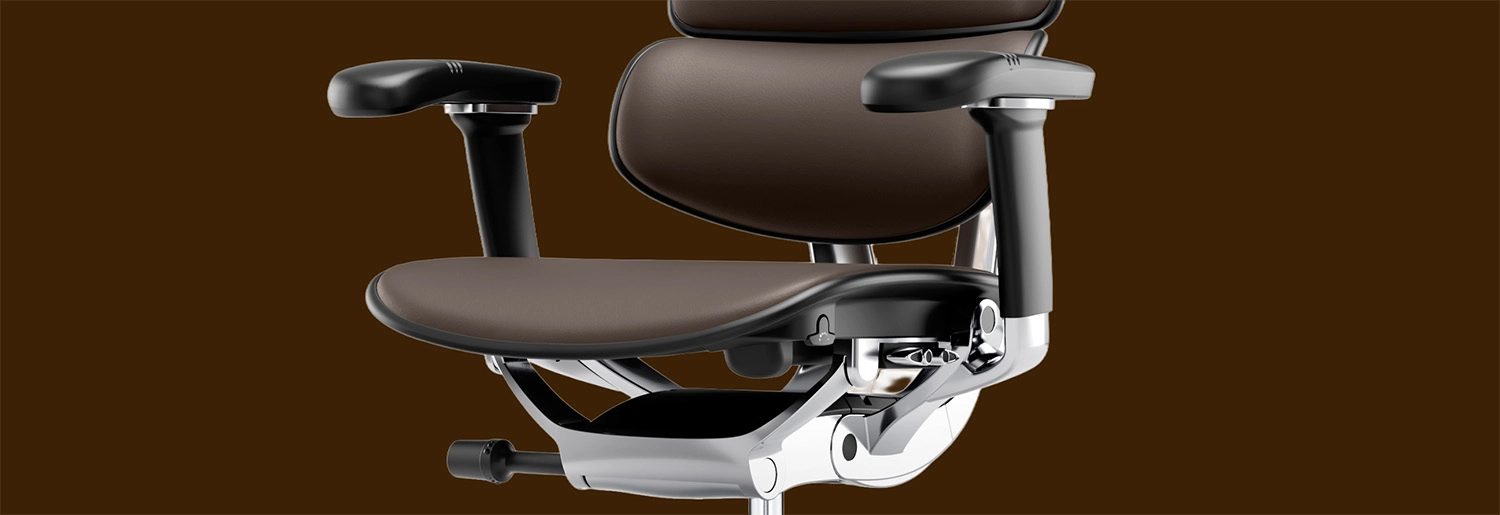
The Ergohuman 2 Elite Mesh II Grey sits at the entry point of this premium bracket. It already includes the features that separate premium chairs from budget ones: seat tension control, a recline limiter, 5D armrests, adjustable lumbar pressure, and a 10-year warranty all on a frame rated to 150kg.
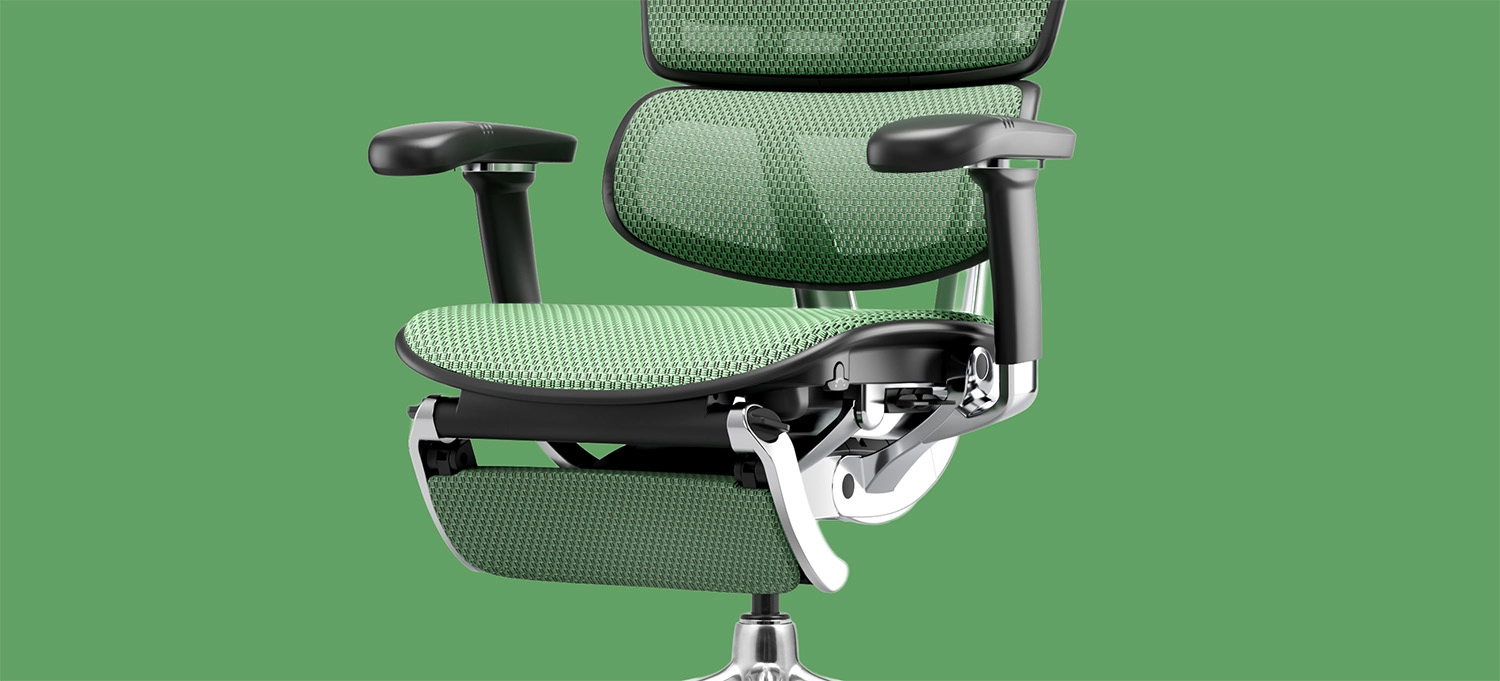
Step up to the Ergohuman 2 Elite Fabric Mesh Combo II Legrest and you get the same core mechanism and adjustability, plus a fabric-cushioned seat for softer long-sitting comfort and a fold-away legrest with 30 lock positions for reclining breaks during the day. This is a useful illustration of what “extra money” buys inside the same premium tier it is rarely about the core ergonomics changing, and much more about added comfort features layered on top of an already solid foundation.
Both chairs share the same aluminium base, the same adjustable lumbar system, and the same 10-year warranty, which is exactly the kind of consistency worth checking for when you compare any two chairs at different prices a higher price should be adding real function, not just changing the fabric.
How to Choose the Right Chair for Your Budget
- List your actual weekly sitting hours. This single number should guide your budget more than any spec sheet.
- Check the warranty length before the price. A short warranty is often the clearest sign of where a manufacturer cut costs.
- Prioritise adjustable lumbar support and seat depth. These two features affect comfort more than almost anything else on the chair, and both are standard on chairs like the Ergohuman 2 Elite Mesh II Grey.
- Confirm the weight rating and base material. Aluminium bases generally outlast nylon ones under daily use.
- Compare chairs within the same brand or family first. It is easier to isolate what extra money buys when the core design is otherwise the same.
Frequently Asked Questions
Is a $1,000 office chair really twice as good as a $500 one? Not exactly twice as good, but the components that fail first the mechanism, the base, and the foam are typically built to last significantly longer, and the adjustability is noticeably more precise.
What is the single biggest difference between the two price points? Adjustable lumbar support paired with a stronger recline mechanism. These two elements have the largest impact on daily comfort and long-term posture.
Should I buy a $500 chair now and upgrade later? If budget is the main constraint, yes but factor in that a low-end mechanism and foam typically need replacing well before the frame does, which can make a mid-range purchase more expensive over time than buying once in the premium bracket.
Final Verdict
A $500 office chair is not a bad chair it is a chair built to a cost target. A $1,000 office chair is built to an ergonomic target, with the mechanism, materials, and warranty engineered to support full-time use for years. If you sit for a large part of your day, the extra spend is less about luxury and more about the parts of the chair that are working hardest the lumbar support, the recline mechanism, and the frame underneath you. For anyone who wants the added comfort of a cushioned seat and a built-in recline break, the Ergohuman 2 Elite Fabric Mesh Combo II Legrest is worth a closer look.
If you are still weighing up which chair fits your body, your desk setup, and your budget, get in touch with the Ergohuman Australia team for guidance before you buy.

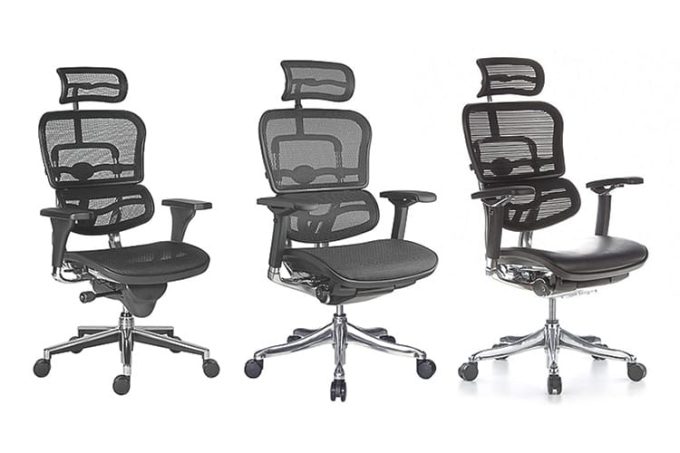
What Is a 5D Armrest? A Complete Guide to Office Chair Armrest Adjustment
If you have shopped for an ergonomic office chair recently, you have...
ErgoHuman Staff28 September 2026
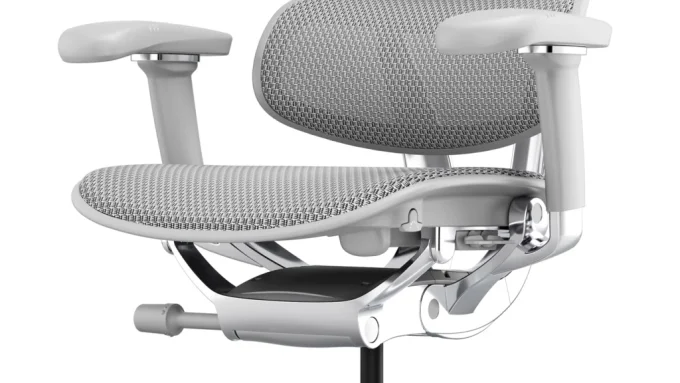
When Should You Replace Your Office Chair? 9 Signs It’s Time for an Upgrade
Most people do not think about their office chair until it starts...
ErgoHuman Staff25 September 2026
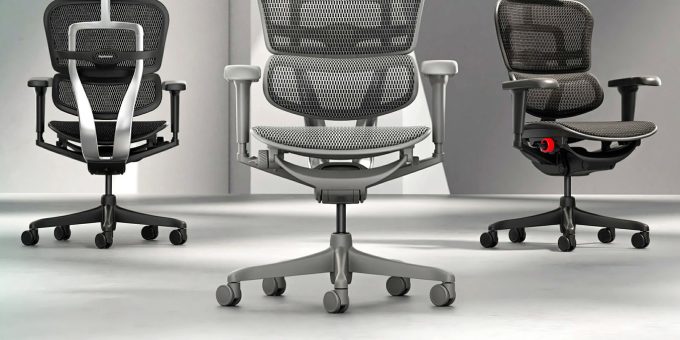
Is an Expensive Office Chair Worth It? What You’re Really Paying For
A $150 chair and a $1,500 chair can both claim to be...
ErgoHuman Staff22 September 2026

Office Chair Dimensions Explained: How to Know if a Chair Will Fit Your Desk and Workspace
Buying a premium ergonomic chair is a different decision to picking a...
ErgoHuman Staff15 September 2026




Leave a comment