


Is an Expensive Office Chair Worth It? What You’re Really Paying For
 ErgoHuman Staff22 September 20265 Mins read
A $150 chair and a $1,500 chair can both claim to be “ergonomic.” Both might have a mesh back, an adjustable seat, and a recline function. So, what is the extra money actually buying? This is one of the most common questions people ask before upgrading a home office or outfitting an executive suite, and the honest answer is: quite a lot but only if you know what to look for.
This guide breaks down exactly where the money goes in a premium office chair, piece by piece, so you can judge for yourself whether the higher price tag reflects real engineering or just branding.
Why “Expensive” Office Chairs Cost What They Cost
Office chair pricing is not random. Every dollar above the budget bracket is typically tied to one of eight things: materials, adjustability, mechanism quality, frame construction, mesh or upholstery grade, armrest engineering, warranty length, and expected durability. A chair priced under $300 usually skips most of these. A chair priced between $770 and $1,400 is usually built around all of them working together, rather than one flashy feature.
What You’re Really Paying For, Category by Category
Materials
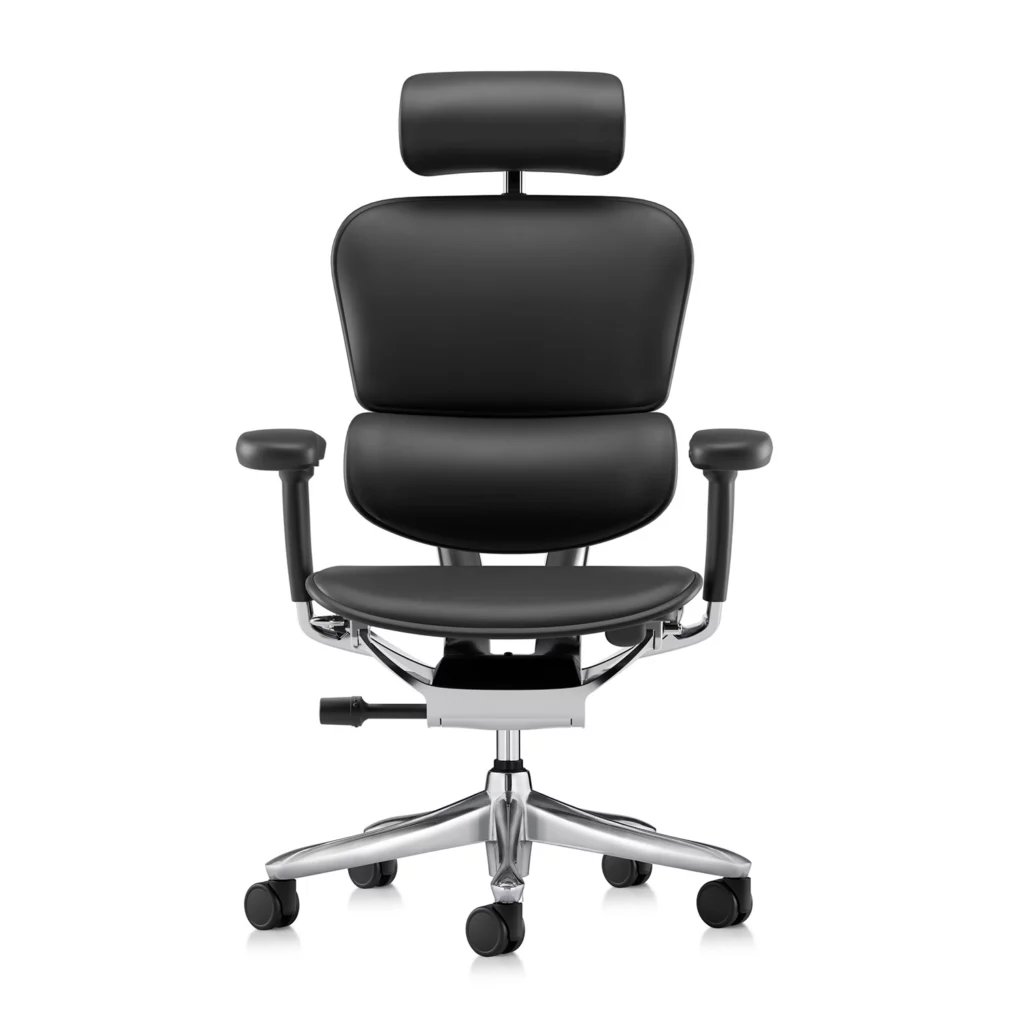
Budget chairs use standard nylon plastics and basic foam. Premium chairs use cast aluminium components in the base and control levers, higher-density moulded foam that resists compression, and in higher tiers, top-grain leather rather than bonded or PU leather that cracks and peels within a couple of years.
Adjustability
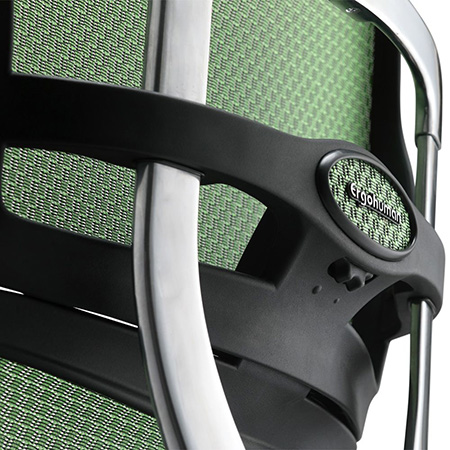
The single biggest functional gap between cheap and expensive chairs is how many points of the body they actually adjust to. Premium chairs typically offer independently adjustable lumbar pressure, seat depth (slide) adjustment, backrest height adjustment, and an independently adjustable headrest not just seat height and recline.
Mechanism
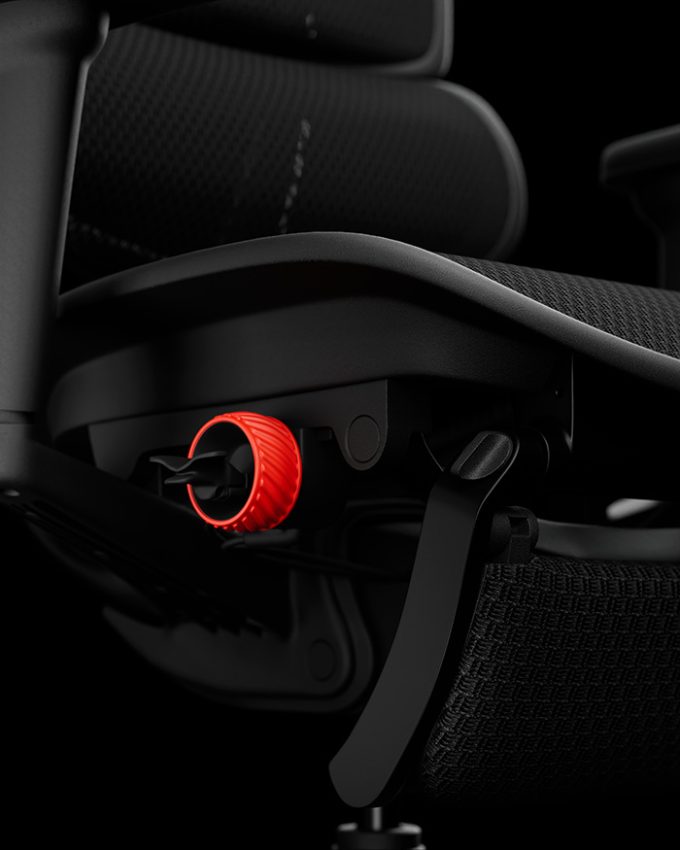
This is the part you feel every single day but rarely see. Premium chairs use a synchro-tilt mechanism paired with seat tension control, so recline resistance can be tuned to your body weight rather than using a single generic spring setting. A recline limiter then lets you lock the backrest at a chosen angle instead of only allowing free-float recline.
Frame and Chassis
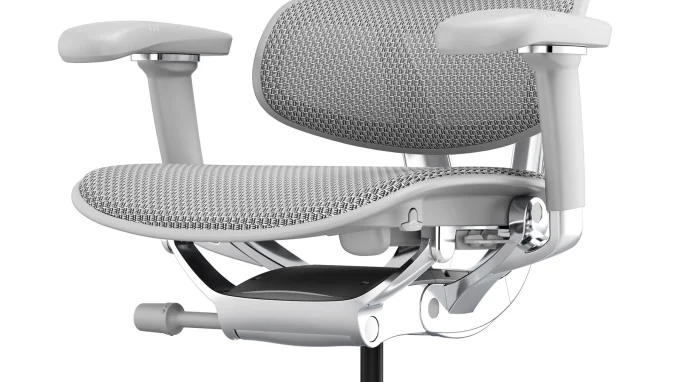
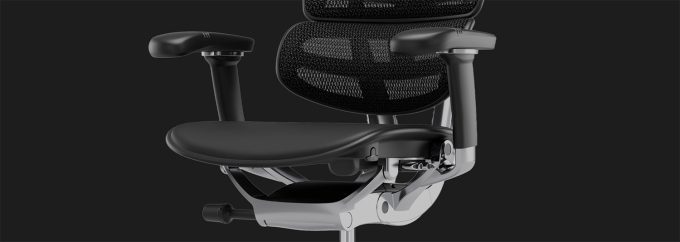
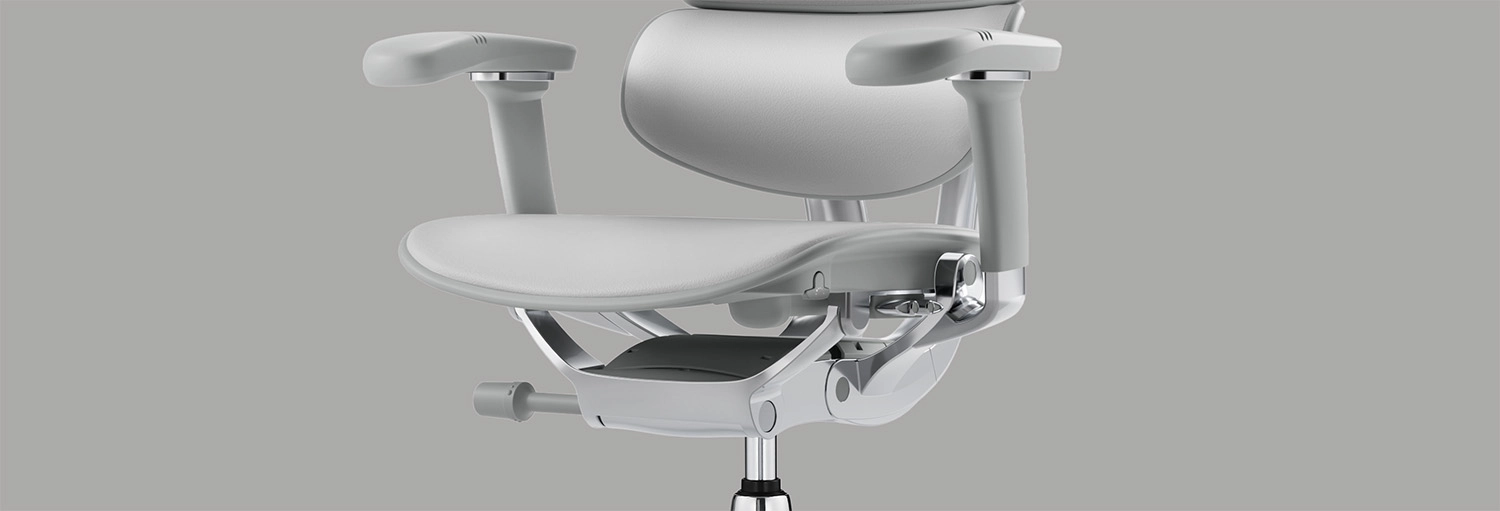
Look underneath the seat. Budget chairs use molded plastic chassis components. Premium chairs use a five-star aluminum base and, in higher tiers, aluminum control levers rather than plastic ones both of which hold up to years of daily pressure changes far better than plastic equivalents.
Mesh and Upholstery
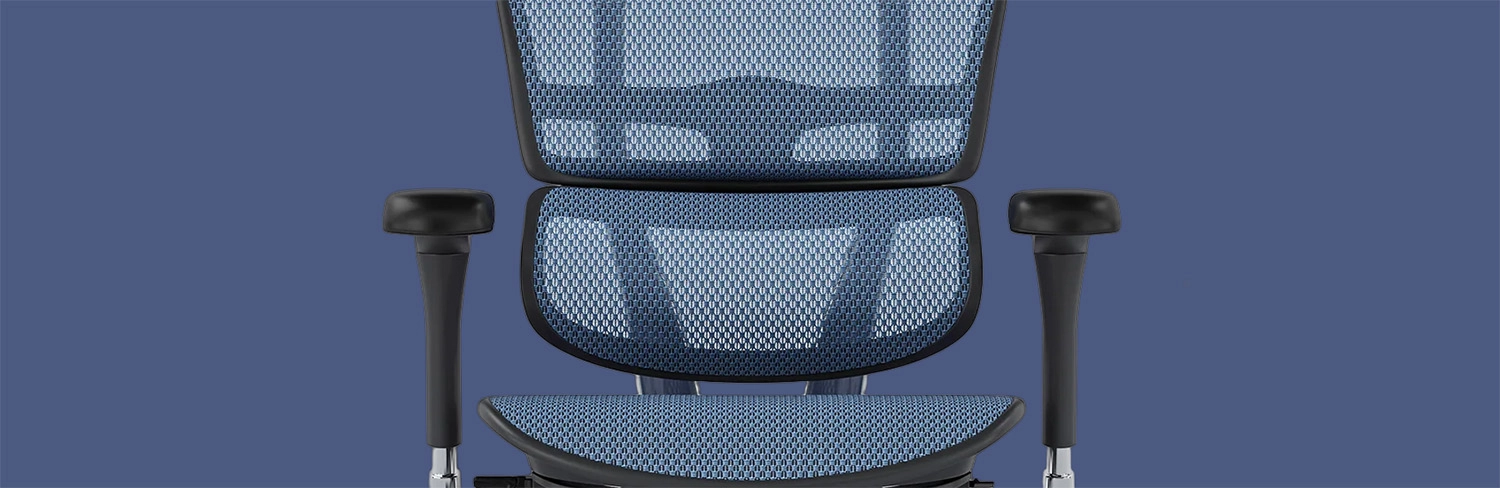
Cheap mesh sags and loses tension within a year or two. Premium chairs use elastomeric mesh engineered to hold its shape and airflow over long-term daily use, or in leather models, top-grain leather that breathes and ages better than synthetic alternatives.
Armrests
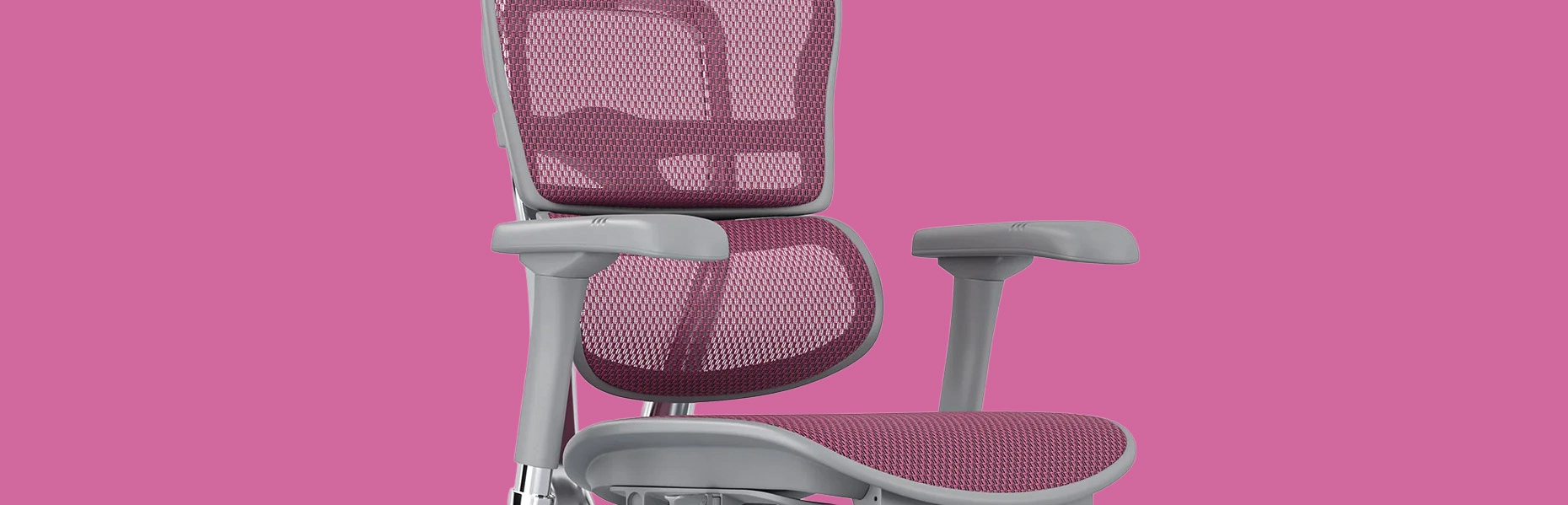
Basic chairs offer armrests that move up and down only. Premium chairs commonly use 5D armrests adjustable in height, width, depth, pivot, and angle which lets you set your elbows and shoulders into a neutral position no matter your desk height or typing posture.
Warranty
This is the most honest indicator of build confidence. A one-to-three-year warranty tells you the manufacturer expects parts to wear within that window. A 10-year warranty on the frame and mechanism is a direct statement that the chair is expected to survive well over 2,500 full working days.
Durability and Long-Term Ownership
A cheaper chair often needs replacing, or at least re-cushioning, within three to five years. A well-built premium chair, maintained normally, is designed to still be performing at full function a decade later which changes the real cost-per-year far more than the sticker price suggests.
The Ergohuman Price Ladder: Ultra, Elite II, and Luxury SE
One of the clearest ways to see where money goes is to look at a single, consistent range priced across several tiers rather than comparing random unrelated brands.
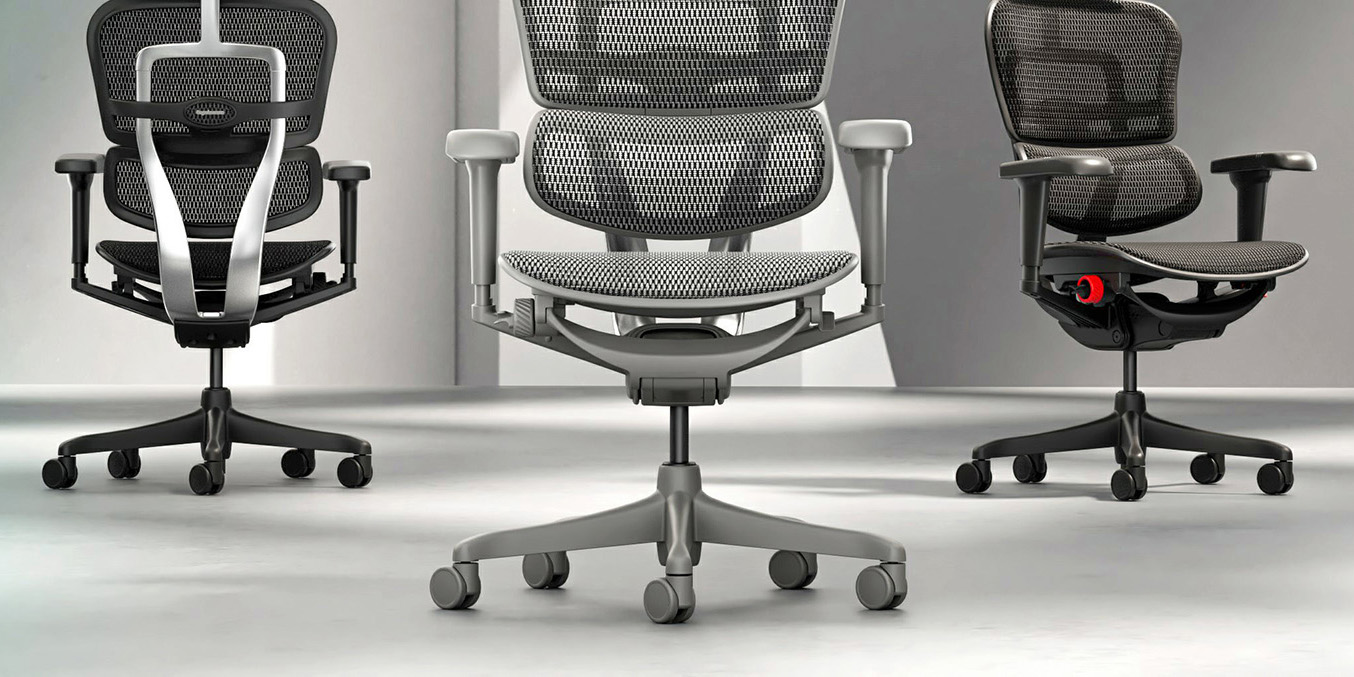
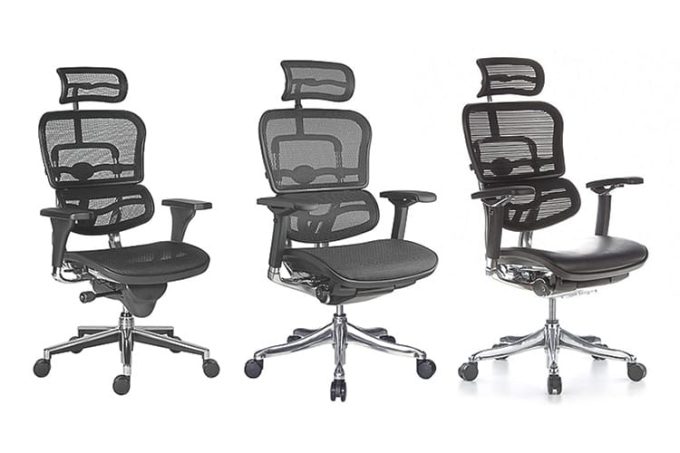
The Ultra range sits at the entry point of the premium bracket, starting from around $770. It introduces the core mechanism upgrades synchro-tilt, adjustable lumbar support, and a stronger aluminum base that separate a genuinely ergonomic chair from a basic office chair.
The Elite II range steps up from around $860, adding refinements such as 5D armrests, seat tension control, and a recline limiter on top of the Ultra’s foundation, along with a broader choice of mesh and fabric-mesh combinations.
The Luxury SE range sits at the top, starting from around $990 and extending past $1,200 for leather and legrest configurations. At this level, you are paying for top-grain leather upholstery, aluminum control levers instead of plastic ones, and the most refined version of the mechanism and armrest system in the range.
A Real Example: Two Luxury SE Chairs, Two Ways to Spend the Extra Money
To see exactly where the money goes at the top of a range, it helps to compare two chairs from the same tier rather than two chairs from different brands.
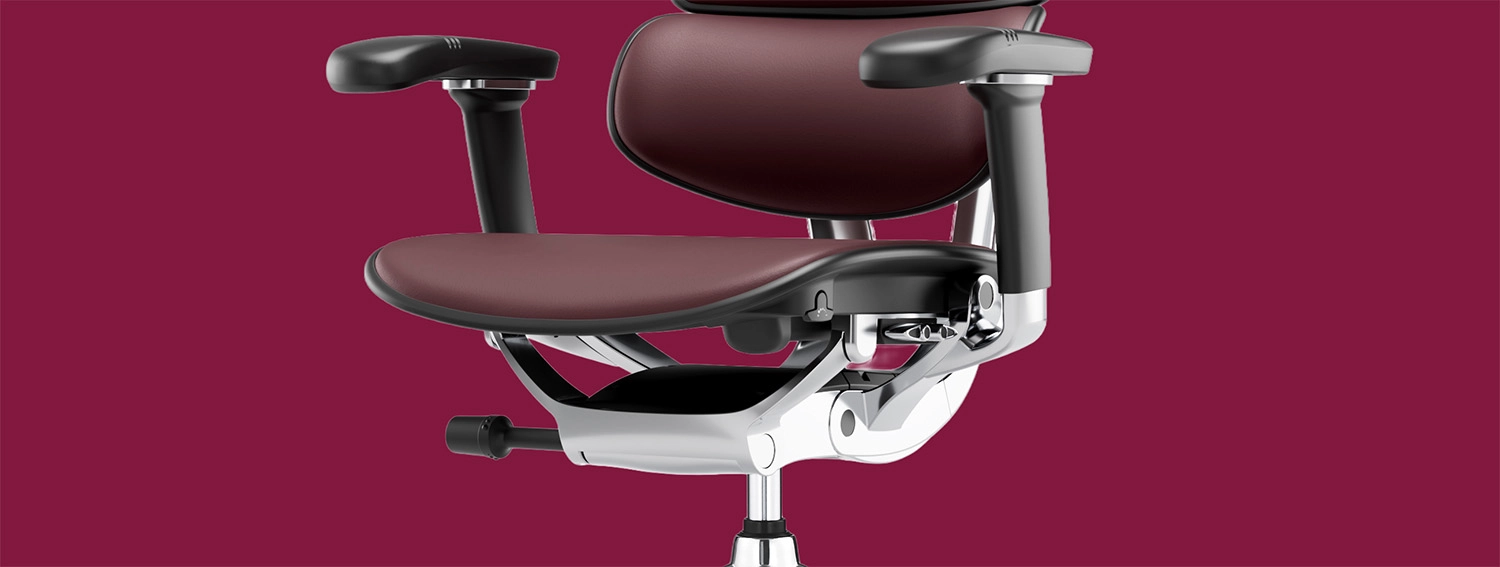
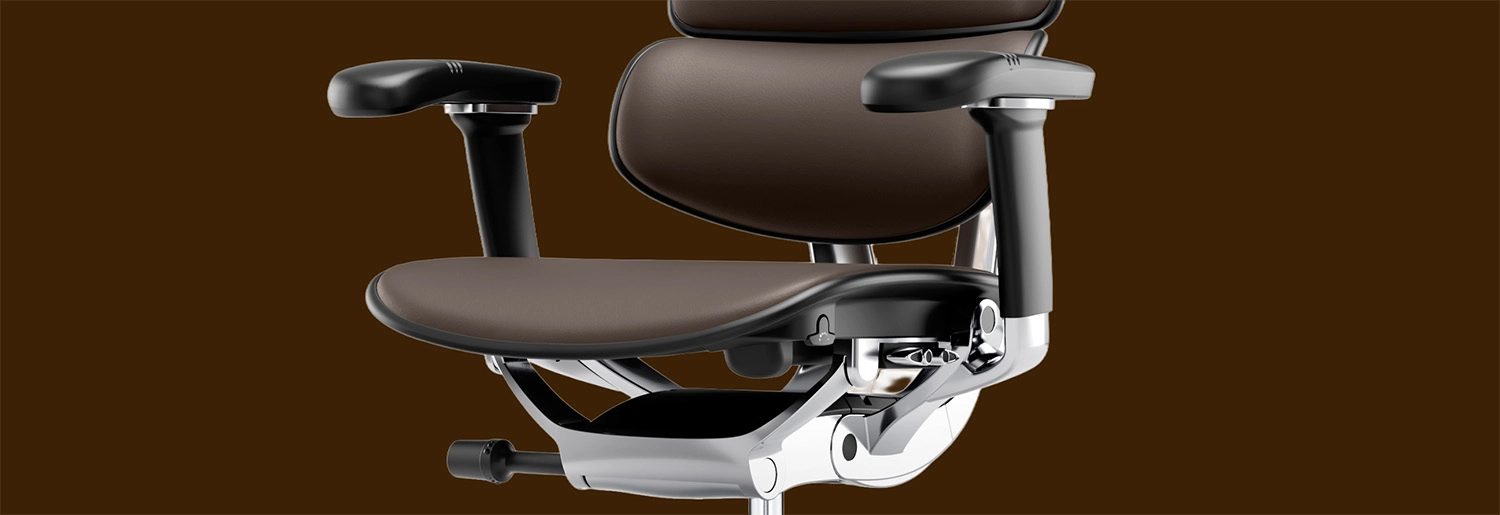
The Ergohuman 2 Luxury SE Leather Black represents the core of what a Luxury SE chair delivers: top grain Italian leather, seat tension control, 5D armrests, aluminum control levers, adjustable lumbar pressure, and a 10-year warranty on a frame rated to 150kg.
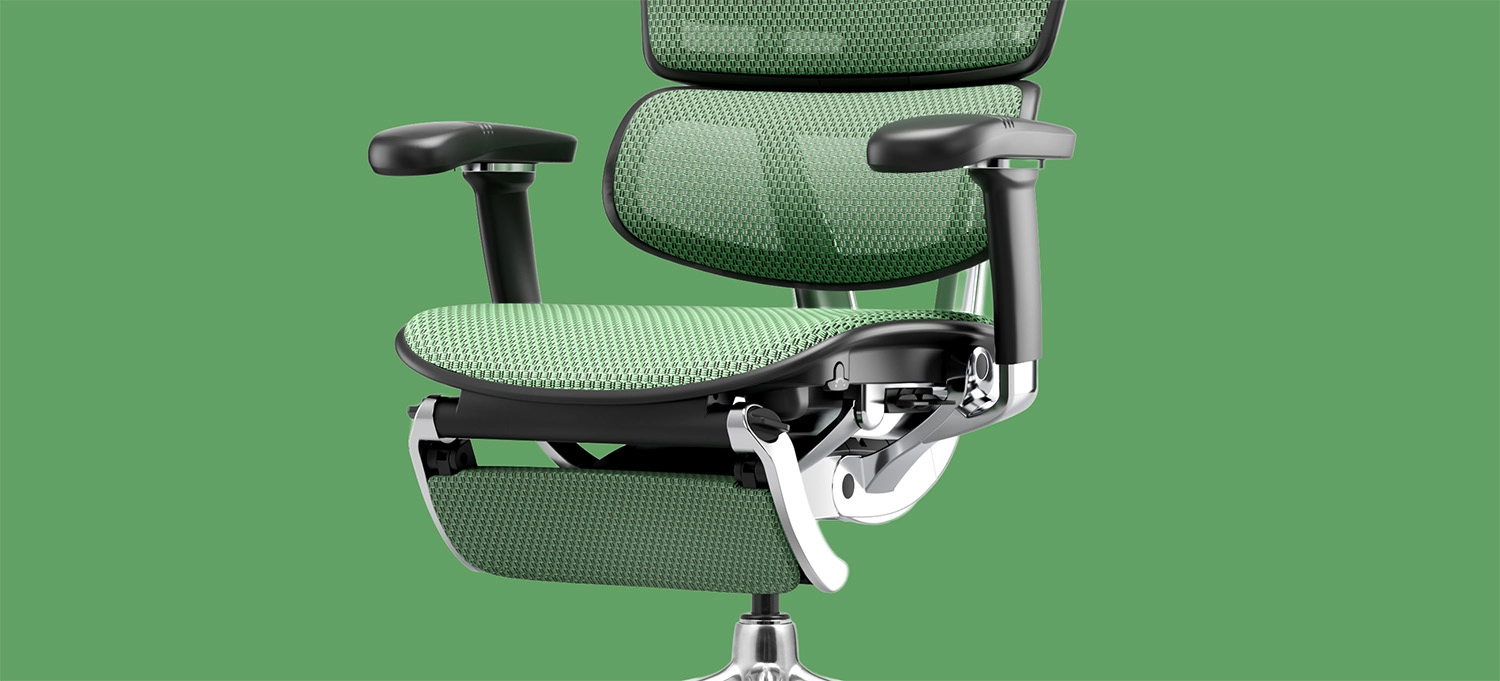
Step up to the Ergohuman 2 Luxury SE Platinum Leather Legrest and the core engineering is identical same mechanism, same aluminum base, same 10-year warranty but with a fold-away largest offering 30 lock positions added for reclining breaks, plus a lighter platinum leather finish. This is a useful, honest illustration of how spending more inside the same tier usually adds a specific comfort feature on top of an already solid foundation, rather than changing the underlying quality.
This is exactly the kind of comparison worth making before paying more for any “premium” chair: check whether the extra dollars are adding genuine function, like the Ergohuman 2 Luxury SE Leather Black, or simply changing the colour or fabric.
Who Actually Needs an Expensive Office Chair?
- Full-time desk workers (30+ hours a week): The adjustable lumbar support and stronger mechanism directly reduce cumulative strain this is where premium chairs earn their price fastest.
- Executives and client-facing offices: Leather upholstery and a refined finish, such as on the Ergohuman 2 Luxury SE Platinum Leather Legrest, matter for presentation as much as comfort.
- Anyone with existing back, neck, or hip discomfort: Fully adjustable lumbar support, seat depth, and an independent headrest are the features most likely to make a measurable daily difference.
- Occasional or part-time desk use: A mid-range chair with basic adjustability may be perfectly sufficient, and the premium tier may not be necessary yet.
How to Judge If a Premium Chair Is Worth It for You
- Check the warranty length first. It is the single clearest signal of how long the manufacturer expects the core components to last.
- Count the adjustment points. Lumbar, seat depth, armrests, and headrest should all move independently on a genuinely premium chair.
- Look at the base material. Aluminium outperforms nylon and plastic under years of daily pressure.
- Compare chairs within the same range first. It is easier to see what extra money buys when the underlying mechanism and frame stay the same.
- Calculate the cost per year, not the sticker price. A chair that lasts twice as long for 40% more money is the cheaper option over a decade.
Frequently Asked Questions
Is a $1,000+ office chair really better than a $300 chair? Usually yes, specifically in the mechanism, base material, and warranty the parts that determine how the chair performs after year two, not just on day one.
What is the single biggest reason premium chairs cost more? The combination of a stronger mechanism (seat tension control and a recline limiter) with fully adjustable lumbar support. These two elements affect daily comfort more than any other feature.
Do I need leather, or is mesh good enough? Mesh generally breathes better and suits warmer climates or longer sitting sessions, while leather suits executive settings and colder environments. The core ergonomic engineering is usually identical between mesh and leather versions within the same range.
Final Verdict
An expensive office chair is not paying for a brand name it is paying for a stronger mechanism, an aluminum frame, fully adjustable lumbar support, and a warranty long enough to prove the manufacturer trusts its own build quality. If you spend a significant part of your week at a desk, that combination compounds daily, and the cost per year usually ends up lower than replacing a cheaper chair every few years.
If you would like help comparing chairs across the Ultra, Elite II, and Luxury SE ranges for your specific setup, get in touch with the Ergohuman Australia team before you buy.

What Is a 5D Armrest? A Complete Guide to Office Chair Armrest Adjustment
If you have shopped for an ergonomic office chair recently, you have...
ErgoHuman Staff28 September 2026
When Should You Replace Your Office Chair? 9 Signs It’s Time for an Upgrade
Most people do not think about their office chair until it starts...
ErgoHuman Staff25 September 2026
$500 vs $1,000 Office Chair: What Do You Actually Get for the Extra Money?
If you have spent any time comparing chairs online, you already know...
ErgoHuman Staff18 September 2026
Office Chair Dimensions Explained: How to Know if a Chair Will Fit Your Desk and Workspace
Buying a premium ergonomic chair is a different decision to picking a...
ErgoHuman Staff15 September 2026




Leave a comment