




What Is a 5D Armrest? A Complete Guide to Office Chair Armrest Adjustment
 ErgoHuman Staff28 September 20266 Mins read
If you have shopped for an ergonomic office chair recently, you have probably seen the term “5D armrests” listed as a feature often without much explanation of what it actually means. It sounds technical, but the concept is simple: the “D” stands for “dimension,” and each number tells you how many directions the armrest can move in to match your body.
This guide breaks down exactly what 1D, 2D, 3D, 4D, and 5D armrests each adjust, why the difference matters more than most people expect, and how to check whether a chair’s armrests genuinely deliver on the claim.
Why Armrest Adjustment Matters More Than People Think
Armrests do more than give your arms somewhere to rest. Positioned correctly, they take weight off your shoulders and upper back, keep your wrists in a neutral position while typing, and reduce the tendency to hunch forward toward your keyboard. Positioned incorrectly too high, too low, too far apart, or unable to move at all they can actively contribute to shoulder tension, neck strain, and wrist discomfort over a full working day. The number of adjustments dimensions an armrest has directly determines how precisely it can be set to your body and your desk.
Understanding Armrest Adjustment: From 1D to 5D
1D Armrests
A 1D armrest is fixed in place and does not move at all. Some very basic chairs include armrests purely for light resting, with no adjustment for height, width, or angle. These are the least adaptable option and are common only on entry-level or budget seating.
2D Armrests
A 2D armrest typically adjusts in two directions: height and width. This lets you raise or lower the armrest to match your desk height and move it inward or outward to match your shoulder width. It is a meaningful step up from a fixed armrest, but it still cannot follow your arm position as you move.
3D Armrests
A 3D armrest adds a third adjustment, usually depth, allowing the armrest pad to slide forward and backward. This is useful for people who sit closer to or further from their desk depending on the task, since it lets the armrest follow your elbow position rather than staying fixed in one spot.
4D Armrests
A 4D armrest introduces pivot or angle adjustment on top of height, width, and depth. This means the armrest pad can rotate slightly inward or outward, which is particularly useful for tasks like using a mouse, where your forearm naturally angles inward rather than sitting perfectly parallel to your body.
5D Armrests
A 5D armrest adds a fifth adjustment point, most commonly independent left-right rotation or a wider pivot range, giving the armrest the ability to move with your arm through a much broader range of natural motion. In practice, 5D armrests let you fine-tune height, width, depth, and angle simultaneously, so the armrest can be set precisely once and rarely needs adjusting again during the day.
What Exactly Does a 5D Armrest Adjust?
Height
Raises or lowers the armrest to sit level with your elbow when your shoulders are relaxed, rather than hunched up or reaching down.
Width
Moves the armrest pad inward or outward to match your natural shoulder width, rather than forcing your arms into an unnaturally wide or narrow position.
Depth
Slides the pad forward or backward so it supports your forearm at the point where you actually rest it, whether you sit close to your desk or further back.
Pivot and Angle
Rotates the pad to follow the natural angle of your forearm, which changes slightly depending on whether you are typing, using a mouse, or resting your arms while reading.
The Fifth Dimension
The final adjustment point varies slightly by manufacturer, but it typically refers to independent rotation of each armrest, or a wider range of inward-outward pivot than a 4D armrest allows. The practical result is an armrest that can match a much broader range of natural arm positions rather than locking you into one fixed angle.
Why 5D Armrests Matter for Posture and Comfort
The value of extra adjustment dimensions is not about having more settings for the sake of it it is about reducing the number of times your body has to compensate for a chair that does not quite fit. A 1D or 2D armrest that sits slightly too high forces your shoulders to stay elevated for hours at a time, which is a common contributor to shoulder and neck tension. A 5D armrest lets you correct that in seconds, and because it adjusts on more axes, it is far more likely to find a position that works for your specific desk, keyboard, and typing style rather than a generic average.
5D Armrests in Practice: Elite II and Luxury SE
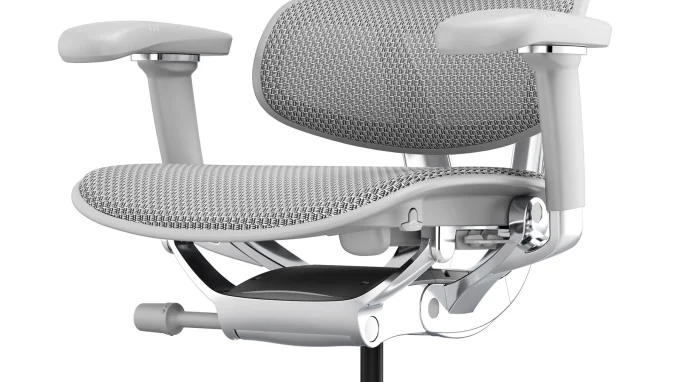
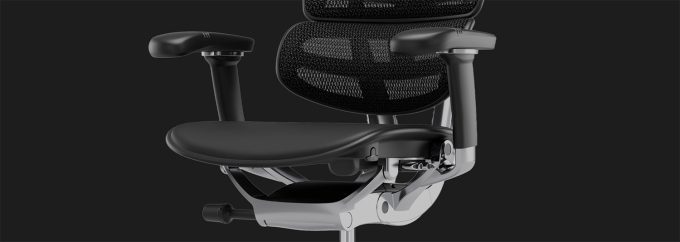
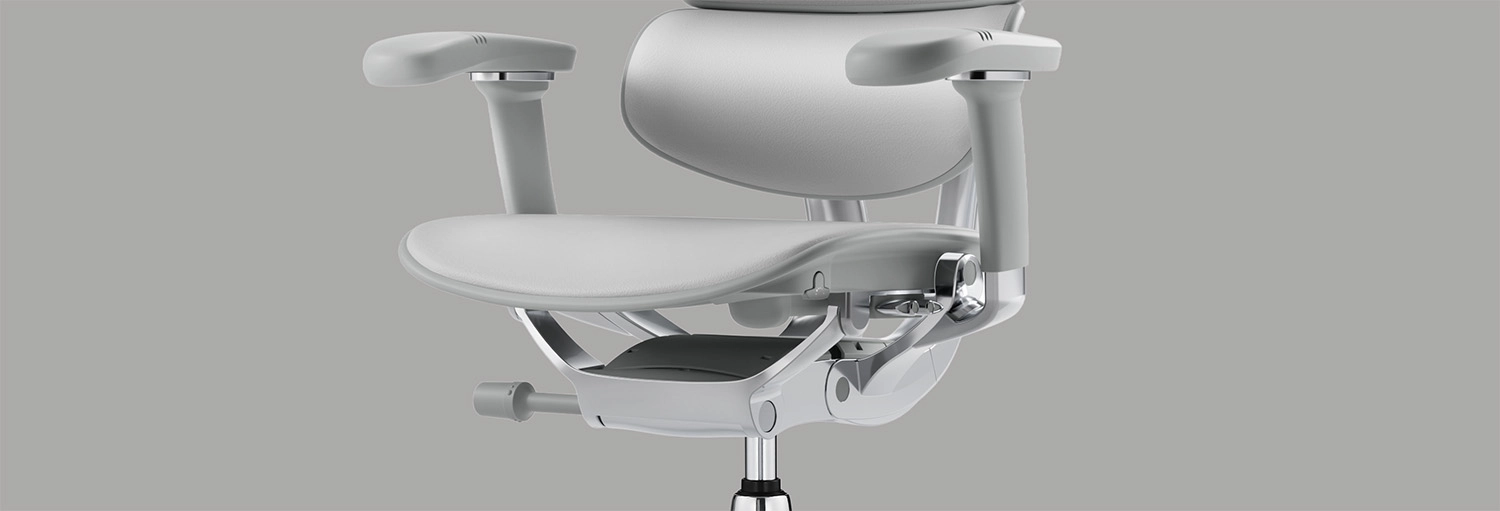
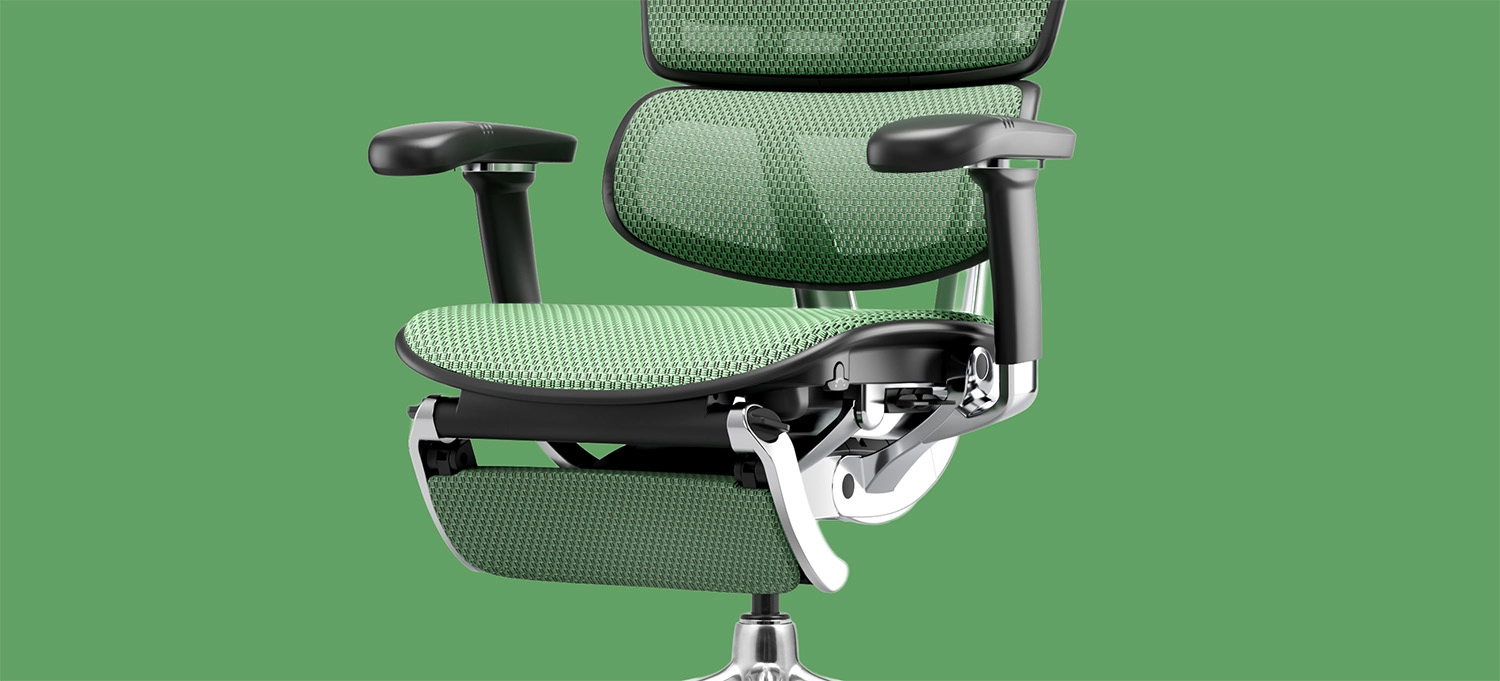
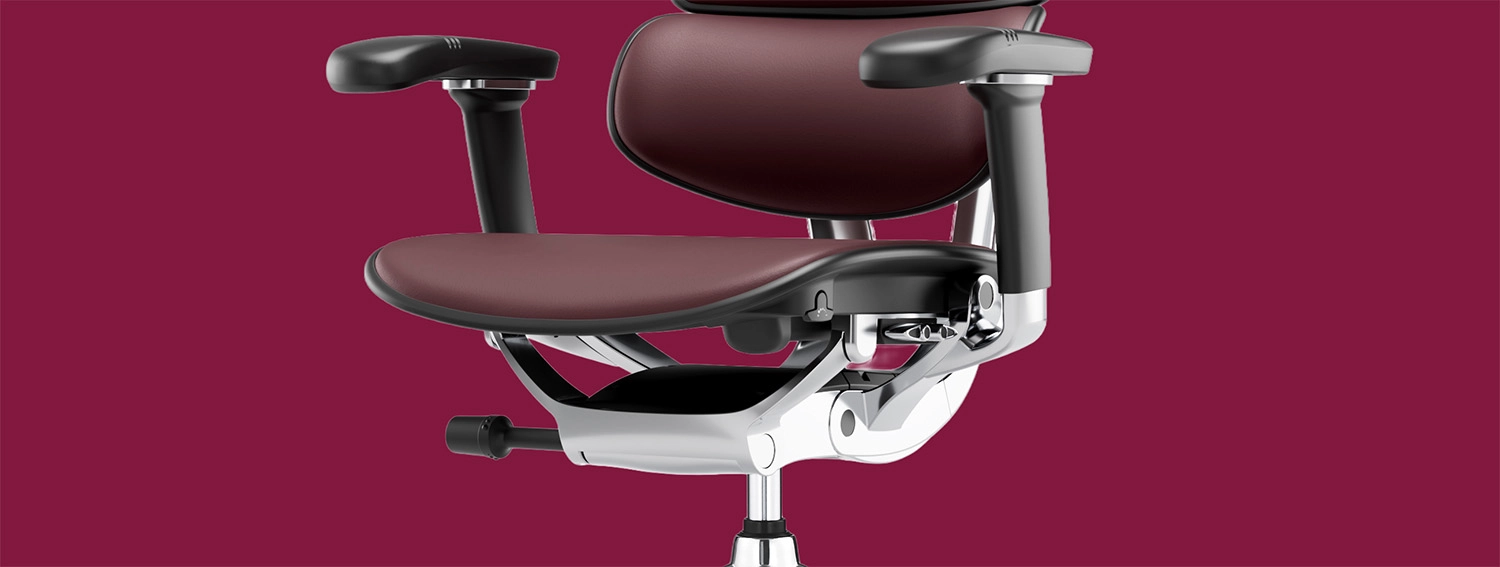
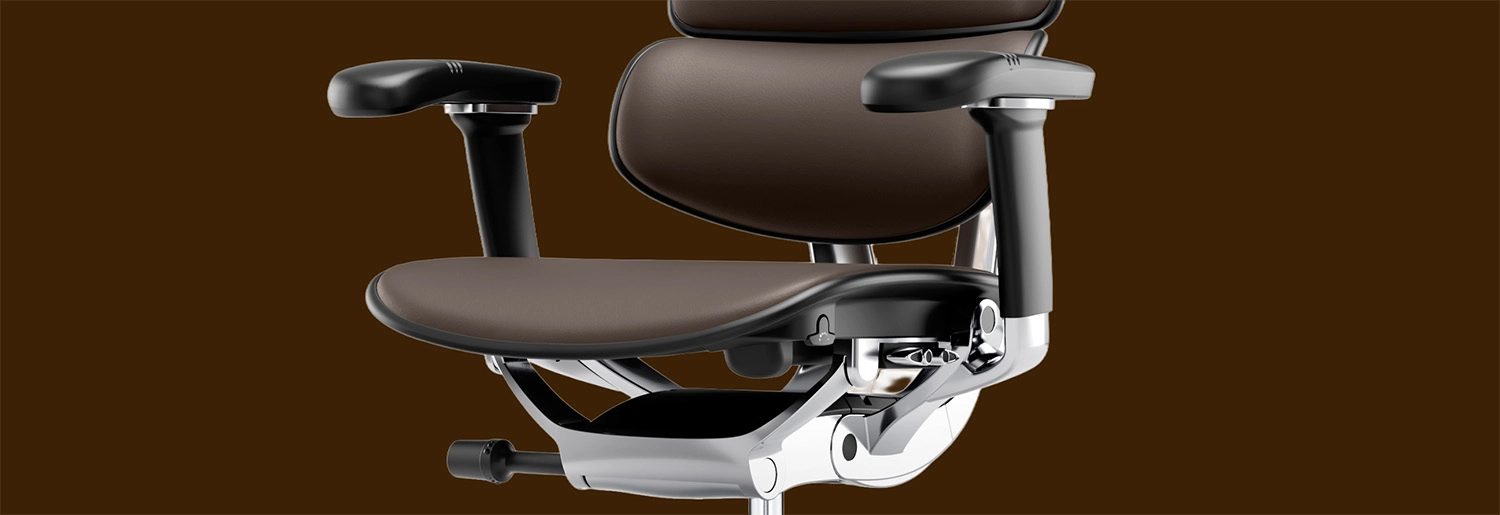
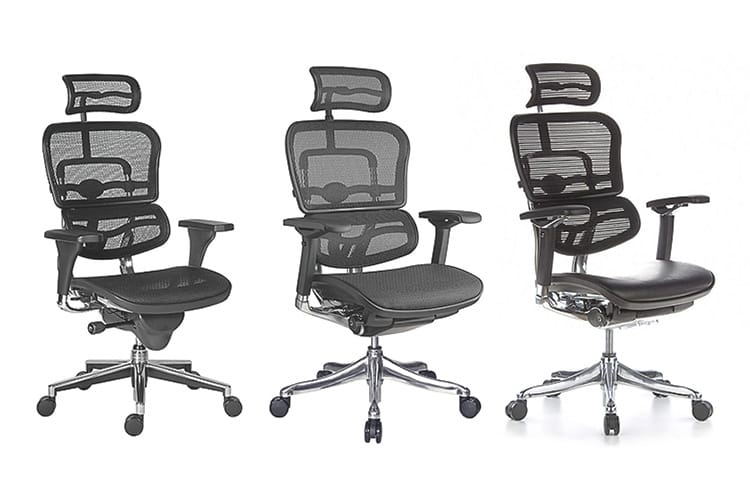
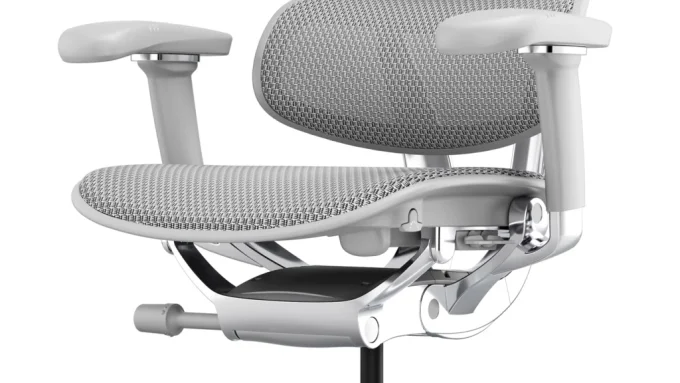
This is exactly the adjustment system built into the redesigned armrests on the current Ergohuman range. Both the Elite II and Luxury SE chairs feature updated 5D armrests as part of their most recent redesign, alongside a new fixing system that keeps the armrest stable at every adjustment point rather than loosening over time.
If you want to see how this plays out across a full range rather than a single chair, the Ergohuman 2 Elite vs. Luxury SE comparison shows exactly how the new armrest system, along with the updated chassis and seat tension control, sits within each tier of the range.
Do You Really Need 5D Armrests?
Not every desk setup requires the full five dimensions of adjustment, but certain situations benefit significantly:
- Full-time desk work (30+ hours a week): The cumulative benefit of a correctly positioned armrest compounds daily, making 5D adjustment worth prioritising.
- Shared desks or multiple users: 5D armrests can be reset quickly and precisely for different body types, unlike fixed or 1D armrests.
- Existing shoulder or neck discomfort: Fine-tuned height, width, depth, and angle adjustment is one of the more effective ways to reduce daily strain without changing anything else about your setup.
- Frequent task-switching (typing, mouse use, reading): The pivot adjustment in 4D and 5D armrests follows your arm through different natural angles rather than forcing one fixed position.
If your current chair only offers height adjustment, or no adjustment at all, upgrading to a chair with genuine 5D armrests such as those featured in the Ergohuman 2 Elite vs. Luxury SE range is one of the more noticeable ergonomic improvements you can make.
How to Check If Your Armrests Are Actually 5D
The term “5D” is sometimes used loosely in product listings, so it is worth checking the specifics before assuming a chair delivers genuine five-dimension adjustment:
- Test height adjustment — does it move smoothly through a meaningful range, not just two fixed positions?
- Test width adjustment — can the pad move inward and outward independently of height?
- Test depth adjustment — does the pad slide forward and back, not just rotate?
- Test pivot or angle — does the pad rotate to follow your forearm angle?
- Check for a fifth independent adjustment — this is usually the detail missing from armrests marketed as 5D but built closer to a 4D standard.
Chairs with a genuinely redesigned armrest and fixing system, like those detailed on the Ergohuman 2 Elite vs. Luxury SE, are built specifically to deliver on all five points rather than approximating them.
Frequently Asked Questions
Is a 5D armrest always better than a 3D or 4D armrest? For most full-time desk workers, yes more adjustment points mean a more precise fit, which reduces the small daily compensations that add up to shoulder and neck strain over time.
Do 5D armrests wear out faster than simpler designs? Not if they are built with a solid fixing system. Poorly made adjustable armrests can loosen over time regardless of how many dimensions they offer, which is why the mounting mechanism matters as much as the adjustment range itself.
Can I retrofit 5D armrests onto an existing chair? Generally, no armrest adjustment range is built into the arm and mounting design during manufacturing, so this is typically a feature to priorities when choosing a chair rather than something to add afterward.
Final Thoughts
A 5D armrest is not a marketing buzzword it is a specific, measurable jump in how precisely an armrest can be set to match your body and your desk. Going from a fixed or 2D armrest to a genuine 5D system means height, width, depth, and angle can all be fine-tuned together, which removes one of the most common sources of daily shoulder and neck strain at a desk. If you are comparing chairs and want to see this adjustment system in context, the Ergohuman 2 Elite vs. Luxury SE range is a useful place to start.
If you have questions about which model or configuration suits your desk setup, get in touch with the Ergohuman Australia team and they can help you choose.
When Should You Replace Your Office Chair? 9 Signs It’s Time for an Upgrade
Most people do not think about their office chair until it starts...
ErgoHuman Staff25 September 2026
Is an Expensive Office Chair Worth It? What You’re Really Paying For
A $150 chair and a $1,500 chair can both claim to be...
ErgoHuman Staff22 September 2026

$500 vs $1,000 Office Chair: What Do You Actually Get for the Extra Money?
If you have spent any time comparing chairs online, you already know...
ErgoHuman Staff18 September 2026

Office Chair Dimensions Explained: How to Know if a Chair Will Fit Your Desk and Workspace
Buying a premium ergonomic chair is a different decision to picking a...
ErgoHuman Staff15 September 2026




Leave a comment