

Ergonomic Office Chair Buying Guide Australia: 10 Features That Actually Matter
 ErgoHuman Staff27 August 20265 Mins read
Searching for the best ergonomic chair Australia has to offer usually turns up endless “top 10” listicles that rank chairs without explaining why one is actually better than another. That’s not what this guide is. Instead, we’re breaking down the specific features that separate a genuinely supportive ergonomic office chair from a chair that just looks the part, so you know exactly what to check before you buy whatever brand you end up choosing.
Whether you’re shopping for a home office or fitting out a full workplace, understanding these ten features will help you buy an ergonomic chair Australia conditions actually demand: long sitting hours, home-office setups, and a genuine need for back support.
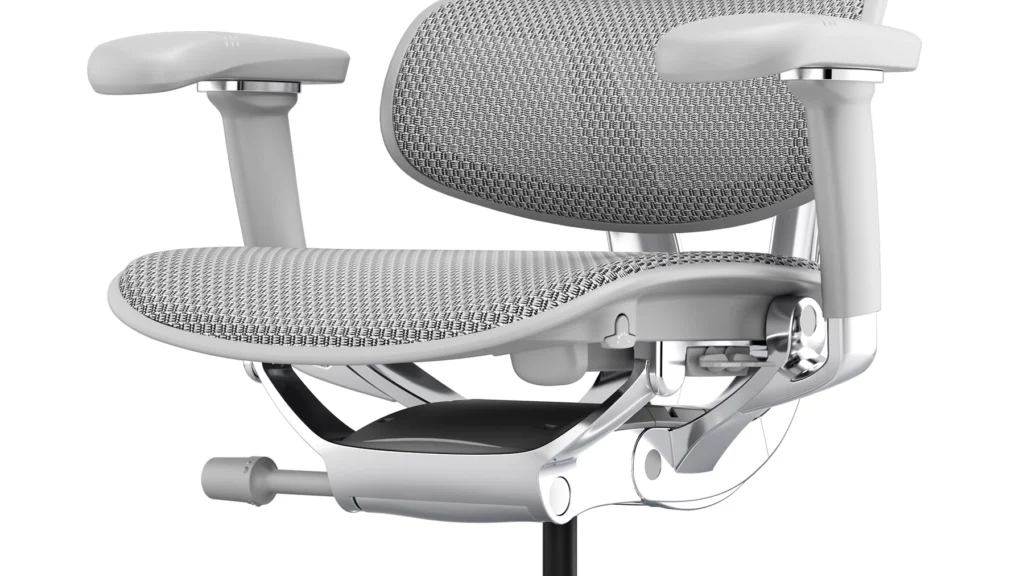
Why “Ergonomic” Is a Feature List, Not a Marketing Label
The word “ergonomic” gets attached to almost every office chair sold today, but true ergonomic design means the chair adjusts to fit your body, not the other way around. A genuinely ergonomic office chair Australia buyers can rely on for years needs to tick off specific, measurable features. Below are the ten that matter most.
1. Adjustable Lumbar Support
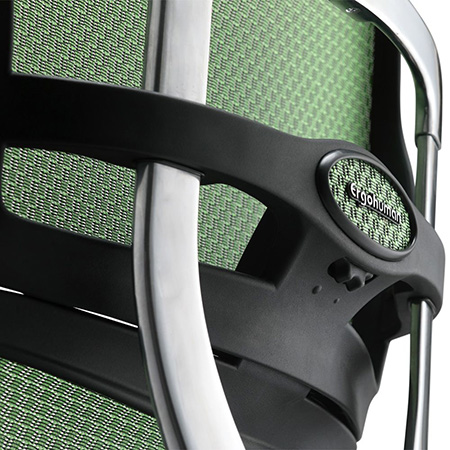
This is the single most important feature on any ergonomic chair. Your lower spine has a natural inward curve, and a chair without proper lumbar support forces your lower back to round forward over the course of the day, leading to fatigue and pain.
Look for lumbar support that adjusts in height and depth (pressure), not a fixed lumbar bump moulded into the backrest. A chair that lets you dial in exactly where and how firmly it pushes into your lower back will fit a far wider range of body types.
2. Seat Depth Adjustment
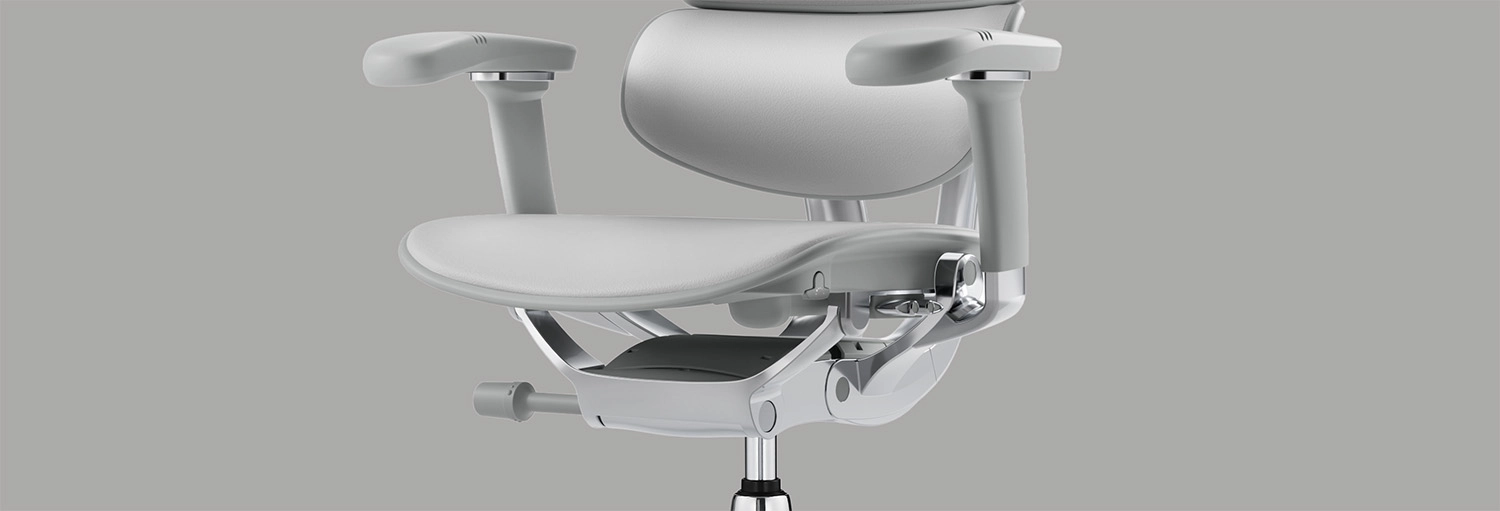
Seat depth is one of the most overlooked features on cheaper chairs. If the seat pan is too long, it presses into the back of your knees and cuts off circulation. If it’s too short, your thighs go unsupported.
A proper ergonomic chair lets you slide the seat pan forward or back so there’s a two-to-three finger gap between the edge of the seat and the back of your knee, regardless of your height.
3. Seat Height Range
Your feet should sit flat on the floor with your knees at roughly a 90-degree angle, and your desk height should let your forearms rest level with your keyboard. A chair with a limited seat height range simply won’t work for shorter or taller users, or for standing desks that need a higher seated position.
Check the seat height range in centimetres before buying, not just “adjustable” as a bullet point.
4. Recline Mechanism and Tension Control
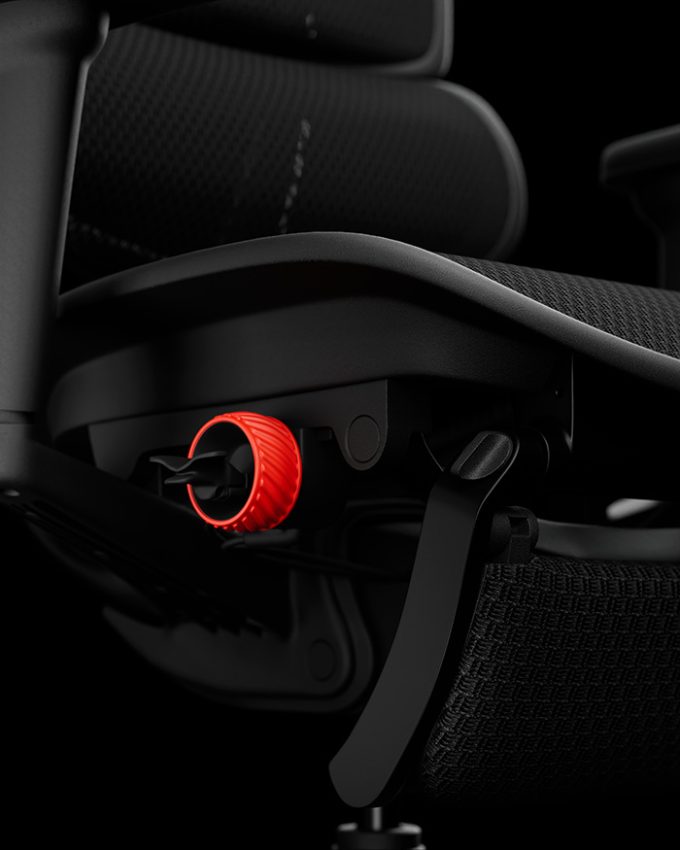
A synchro-tilt mechanism, where the seat and backrest recline together at a coordinated ratio, keeps your hips and spine properly aligned as you lean back. Look for:
- Tension adjustment so the recline resistance matches your body weight
- Lockable recline to fix the chair at your preferred angle
- Forward tilt for close, detail-focused desk work
Chairs that only offer a basic backward tilt with no tension control tend to feel either too stiff or too loose, rarely landing on “just right.”
5. Armrest Adjustment
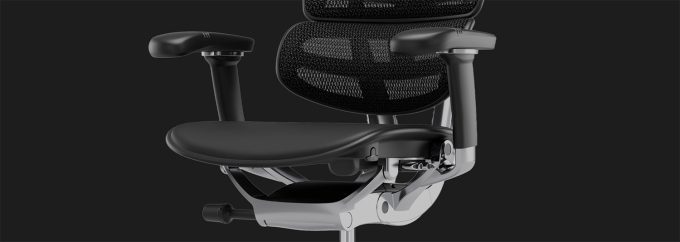
Poorly positioned armrests are one of the most common causes of shoulder and neck tension. The best ergonomic chairs offer multi-dimensional (4D or 5D) armrests that adjust for:
- Height
- Width (pivot in/out)
- Depth (forward/back)
- Angle
This lets your elbows rest at a natural 90-degree angle regardless of your desk height or typing position, taking pressure off your shoulders and upper back.
6. Backrest Height and Adjustment
Backrest height matters more than people expect. A backrest that’s too short leaves your upper back and shoulder blades unsupported; one that’s poorly positioned can push against the wrong part of your spine entirely.
Look for a backrest height range that covers your torso length, along with independent headrest adjustment if you spend a lot of time reclined.
7. Mesh vs Fabric vs Leather
Material affects comfort just as much as mechanics. Each has trade-offs worth understanding before you decide:
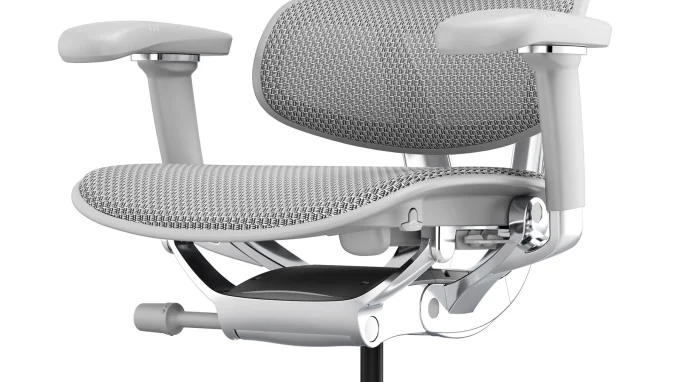
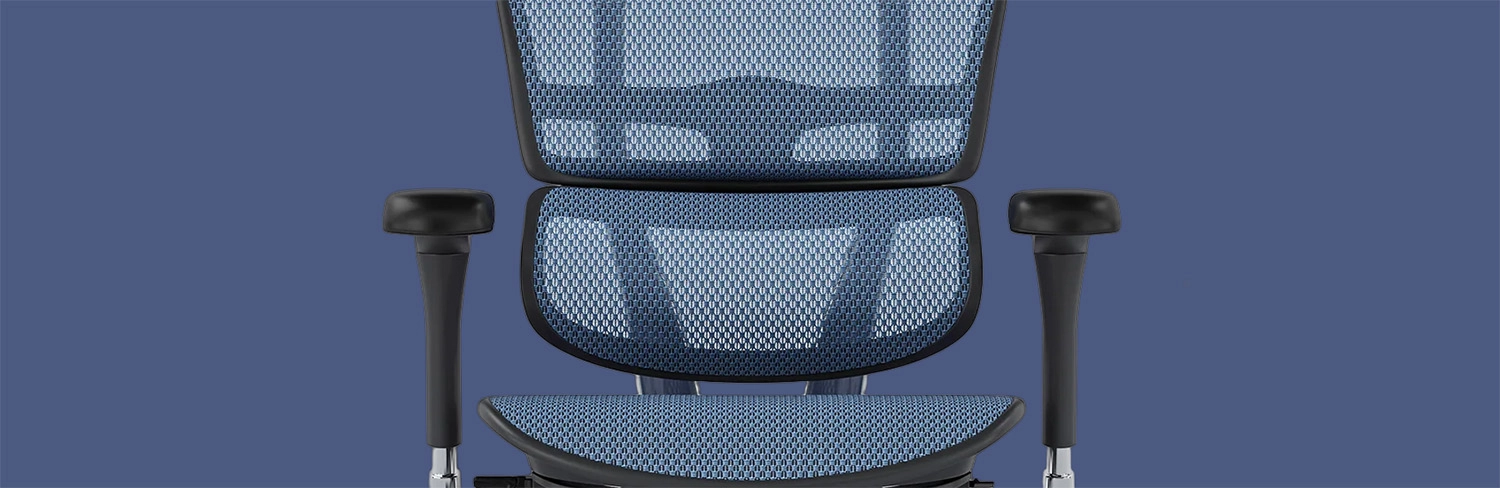
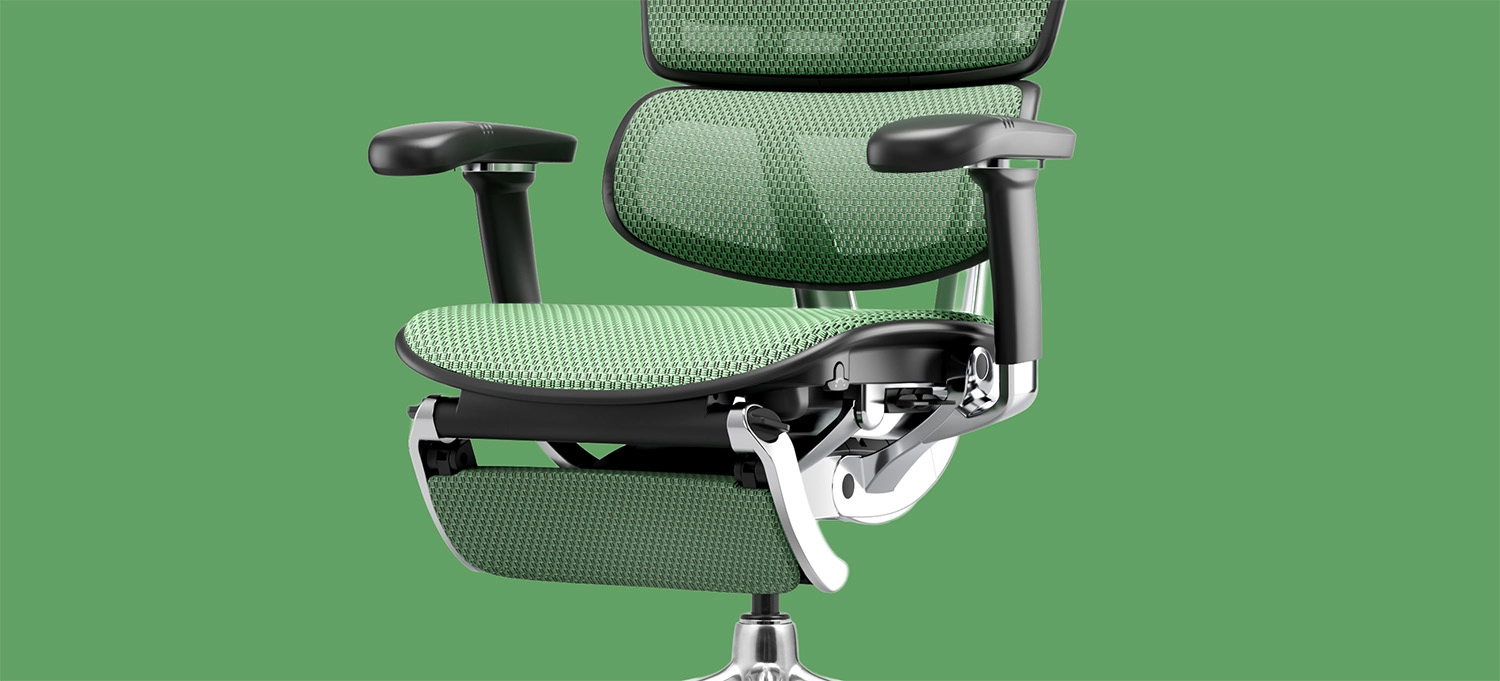
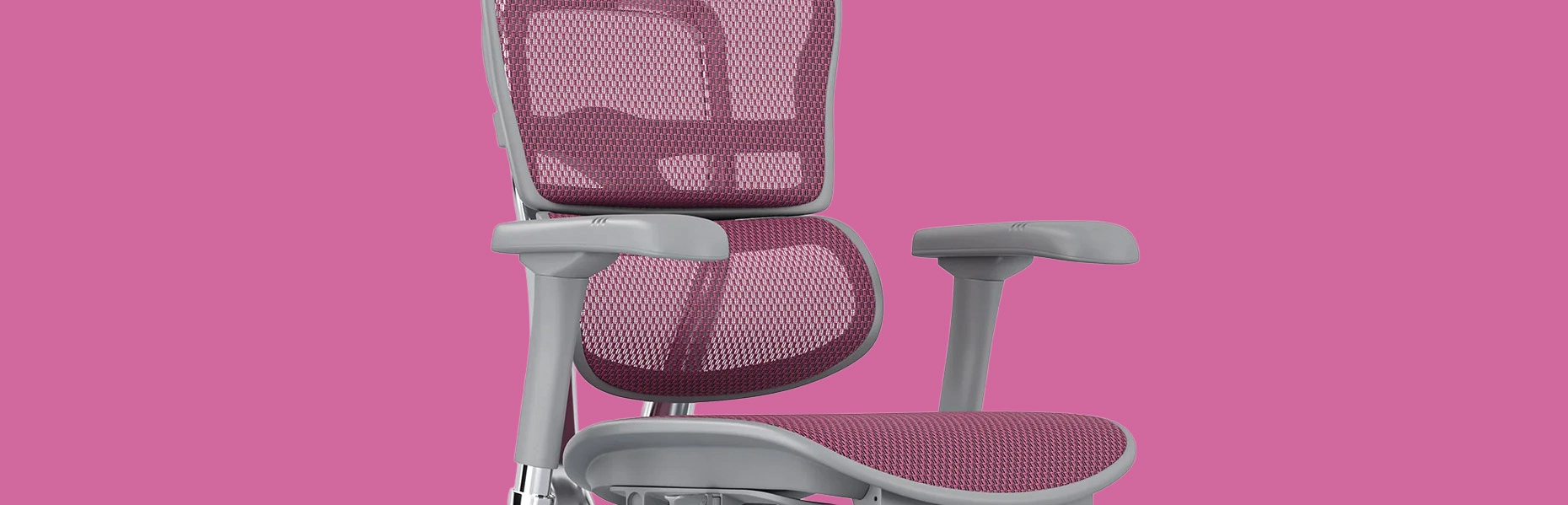
- Mesh — breathable, lightweight, ideal for warmer climates and long sitting sessions. A chair like the Ergohuman 2 Elite Platinum Mesh II Legrest uses elastomeric T-168 mesh specifically for airflow without sacrificing support.
- Fabric — soft and warm, a good middle ground, but can hold heat and stain more easily than mesh.
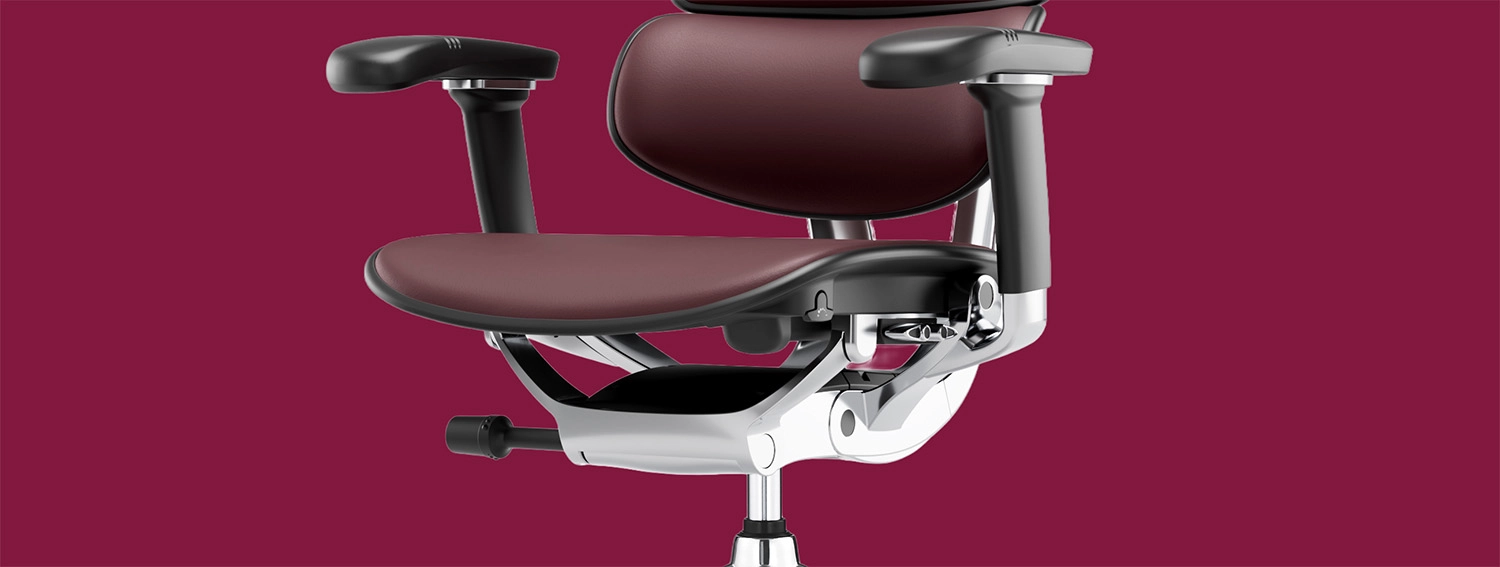
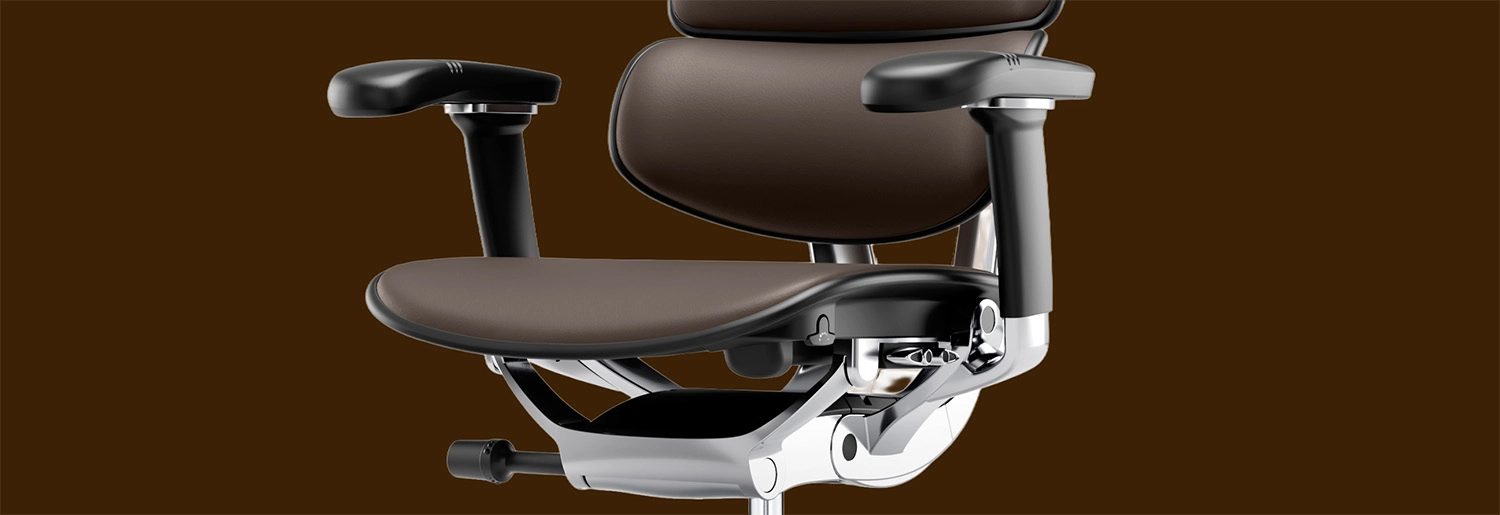
- Leather — premium look and feel, moulds to your body over time, best suited to climate-controlled offices and executive settings.
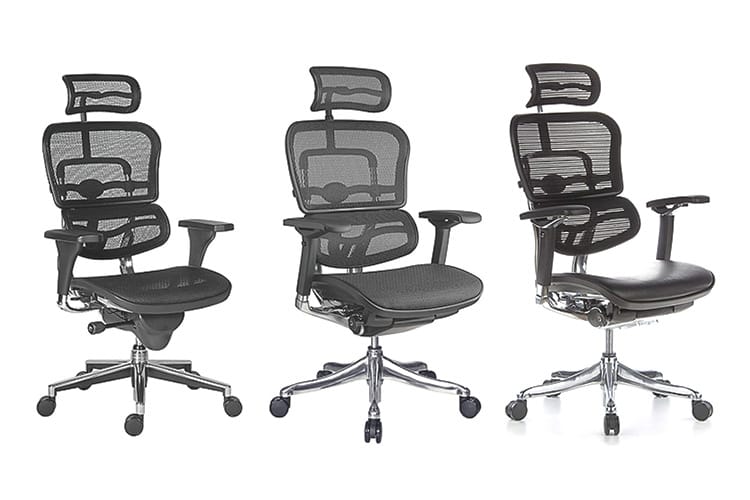
If you’re torn between materials, it’s worth comparing models side by side. Our Ergohuman 2 Elite vs. Luxury SE comparison breaks down exactly how the mesh Elite range and the leather Luxury SE range differ, beyond just the upholstery.
8. Headrest
Not every ergonomic chair needs a headrest, but if you recline regularly or spend long periods on video calls, an independently adjustable headrest supports your neck and reduces the tendency to jut your chin forward. Look for headrests that adjust in height and angle rather than a fixed pad that only works at one recline position.
9. Weight Capacity
Weight capacity is a straightforward but often-skipped check. A chair rated below your body weight won’t perform as designed, the gas lift and tilt mechanism will wear out faster, and the warranty may not apply. Most quality ergonomic chairs, including the Ergohuman range, are rated to support up to 150kg check this figure on the product page before buying, not after.
10. Warranty and Build Quality
A long warranty is one of the clearest signals of how a manufacturer feels about their own product. Cheap chairs often carry one or two-year warranties because that’s roughly how long the gas lift, tilt mechanism, or upholstery lasts. Look for:
- A five-star aluminium base rather than plastic
- A branded, rated gas lift
- A warranty of at least 5–10 years on the frame and mechanism
A chair backed by a 10-year warranty is telling you the manufacturer expects it to last that long.
Putting the Features Together: Elite vs Luxury SE
Once you know what to look for, the next step is matching those features to a specific chair. Every Ergohuman 2 chair — from the Elite Mesh range to the Luxury SE leather range — includes adjustable lumbar pressure, seat tension control, 5D armrests, synchro-tilt with forward tilt, and independent headrest adjustment. The real decision comes down to material and finish rather than ergonomic capability.
If you want a breathable, lighter-weight chair for long working sessions, the Ergohuman 2 Elite Platinum Mesh II Legrest checks every box on this list, with the added benefit of an extendable legrest for reclining breaks. If you’re still deciding between the mesh Elite range and the leather Luxury SE range, our full Elite vs. Luxury SE comparison walks through the differences feature by feature.
A Quick Checklist Before You Buy
Before adding any ergonomic office chair to your cart, run through this list:
- Does the lumbar support adjust in height and depth?
- Can the seat depth slide to fit your leg length?
- Does the seat height range suit your desk and height?
- Is there tension-adjustable, lockable recline with forward tilt?
- Are the armrests multi-dimensional (4D/5D)?
- Does the backrest height and headrest adjust independently?
- Does the material (mesh, fabric, or leather) suit your climate and use case?
- Is the weight capacity rated above your body weight?
- Is the warranty at least 5 years, ideally 10?
- Is the base aluminium rather than plastic?
Final Thoughts
Finding the best ergonomic office chair Australia conditions call for isn’t about chasing a “top 10” ranking it’s about matching these ten features to your body, your workspace, and your climate. A chair that scores well on lumbar support, seat depth, recline tension, armrest adjustability, and build quality will outperform a more expensive chair that’s missing even one or two of these fundamentals.
If you’re comparing models and want help deciding what fits your setup, get in touch with our team we’re happy to talk through the right chair for your body and your workspace. You can also browse the full range of ergonomic office chairs at ergohuman.com.au.

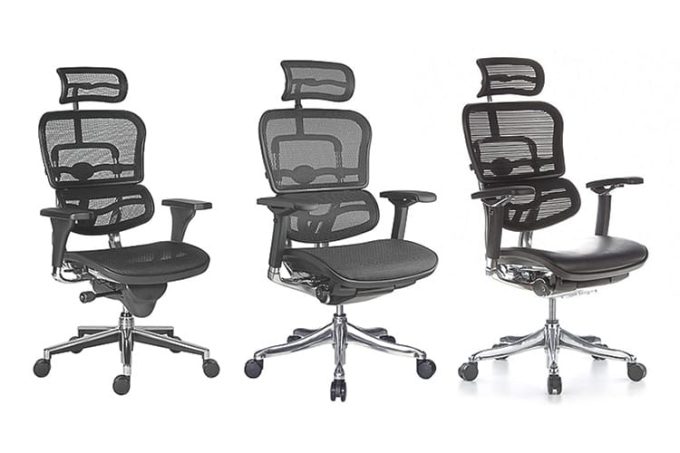
What Is a 5D Armrest? A Complete Guide to Office Chair Armrest Adjustment
If you have shopped for an ergonomic office chair recently, you have...
ErgoHuman Staff28 September 2026
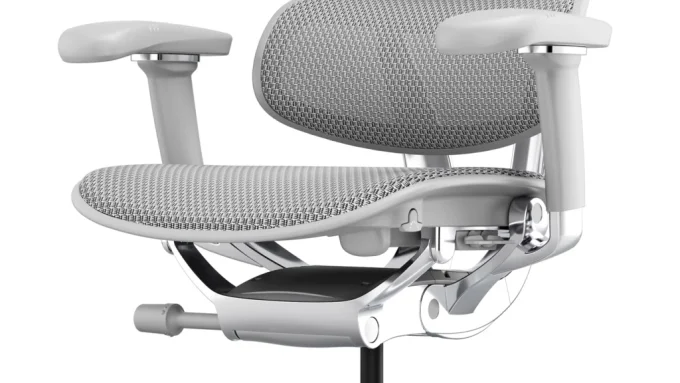
When Should You Replace Your Office Chair? 9 Signs It’s Time for an Upgrade
Most people do not think about their office chair until it starts...
ErgoHuman Staff25 September 2026
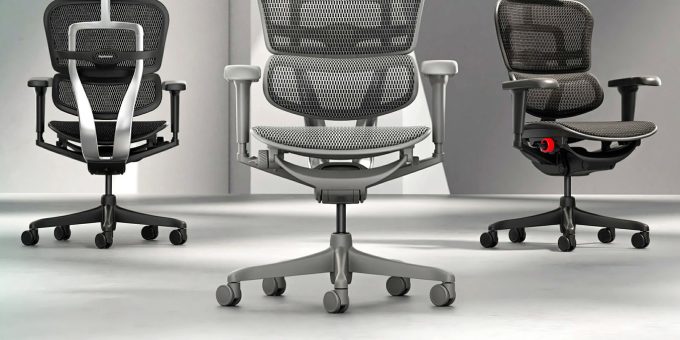
Is an Expensive Office Chair Worth It? What You’re Really Paying For
A $150 chair and a $1,500 chair can both claim to be...
ErgoHuman Staff22 September 2026
$500 vs $1,000 Office Chair: What Do You Actually Get for the Extra Money?
If you have spent any time comparing chairs online, you already know...
ErgoHuman Staff18 September 2026