

Mesh vs. Fabric Office Chairs: Which is Better for Australian Summer?
 ErgoHuman Staff17 July 20264 Mins read
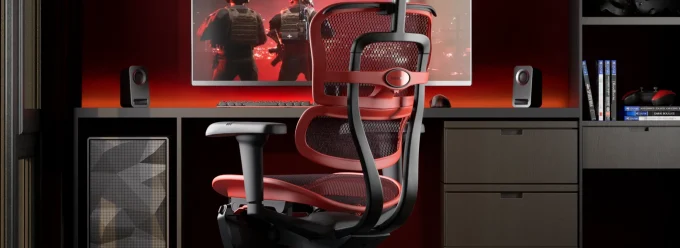
Australian summers bring a unique challenge for anyone working from a home office or a poorly air-conditioned commercial space: staying comfortable in a chair for eight or more hours a day when temperatures climb. The material your chair is made from plays a far bigger role in this than most people realise. If you’ve ever found yourself peeling off the back of a hot, sticky chair at the end of a summer workday, the answer likely isn’t your air conditioning, it’s your seating material. You can view our full mesh chair range here to see how a properly engineered mesh chair compares to standard fabric seating.
This guide breaks down how mesh and fabric office chairs perform during Australian summer, why one option consistently outperforms the other in warmer conditions, and what to look for if you’re upgrading your seating before the next heatwave hits.
Why Chair Material Matters More in Summer Than People Expect
Sitting for extended periods naturally generates body heat, and that heat needs somewhere to go. A chair’s backing material either allows that heat to dissipate or traps it against your body, and over a full working day, this difference becomes increasingly noticeable.
In Australian conditions, particularly across regions that regularly experience extended periods of high heat and humidity, the wrong seating material can mean:
- Increased sweating and discomfort during long sitting sessions
- A sticky, uncomfortable feeling against the back and legs
- Reduced airflow leading to a warmer overall body temperature while working
- Greater difficulty maintaining focus due to physical discomfort
Choosing the right material isn’t just about comfort preference, it directly affects how well you can concentrate and stay productive through the warmer months.
How Fabric Office Chairs Perform in Summer
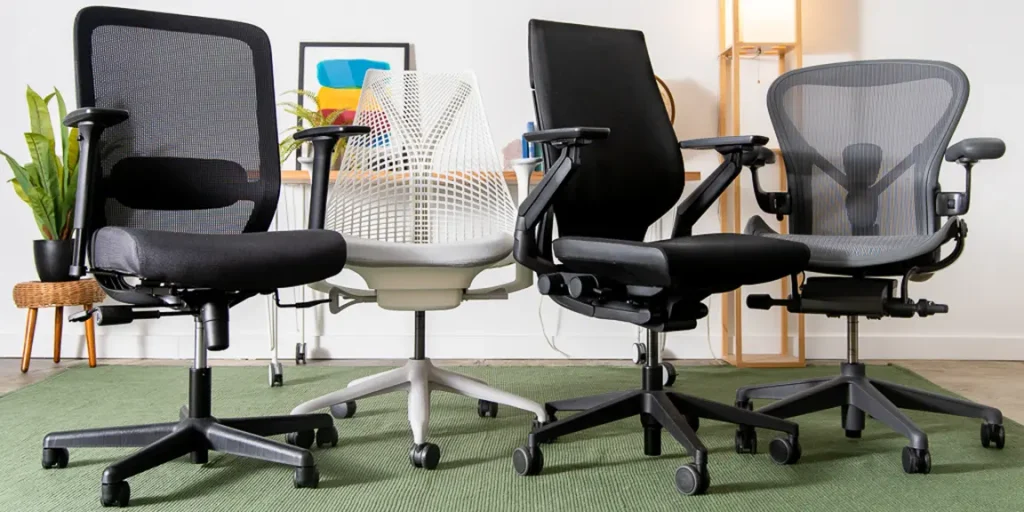
Fabric-upholstered office chairs, particularly those with foam cushioning beneath a woven or synthetic fabric cover, tend to struggle in warm conditions for a few key reasons:
Limited Airflow
Fabric sits over a solid foam cushion base, which restricts air circulation between your body and the chair. Heat generated from sitting has nowhere to escape, gradually building up over the course of the day.
Heat Retention in the Foam
Foam cushioning absorbs and retains body heat rather than dissipating it, meaning the longer you sit, the warmer the seat becomes.
Moisture Retention
Fabric can absorb perspiration rather than allowing it to evaporate, which contributes to that sticky, uncomfortable feeling common on hot afternoons.
Slower Cooling Between Uses
Because fabric holds onto heat, chairs left in direct sunlight or warm rooms during breaks often stay warm rather than cooling down between sitting sessions.
This doesn’t mean fabric chairs are poorly made, many offer excellent cushioning and support, but the material itself simply isn’t designed with heat dissipation as a priority.
How Mesh Office Chairs Perform in Summer
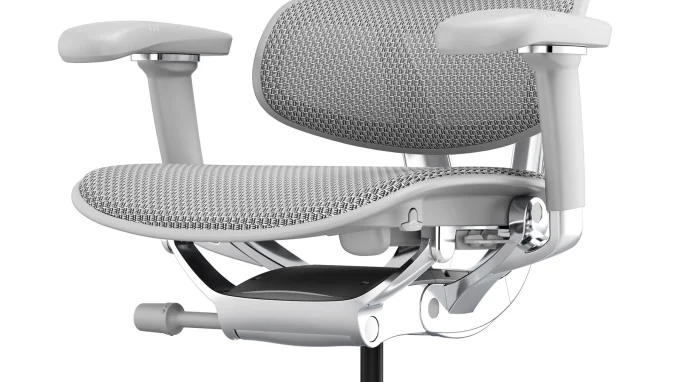
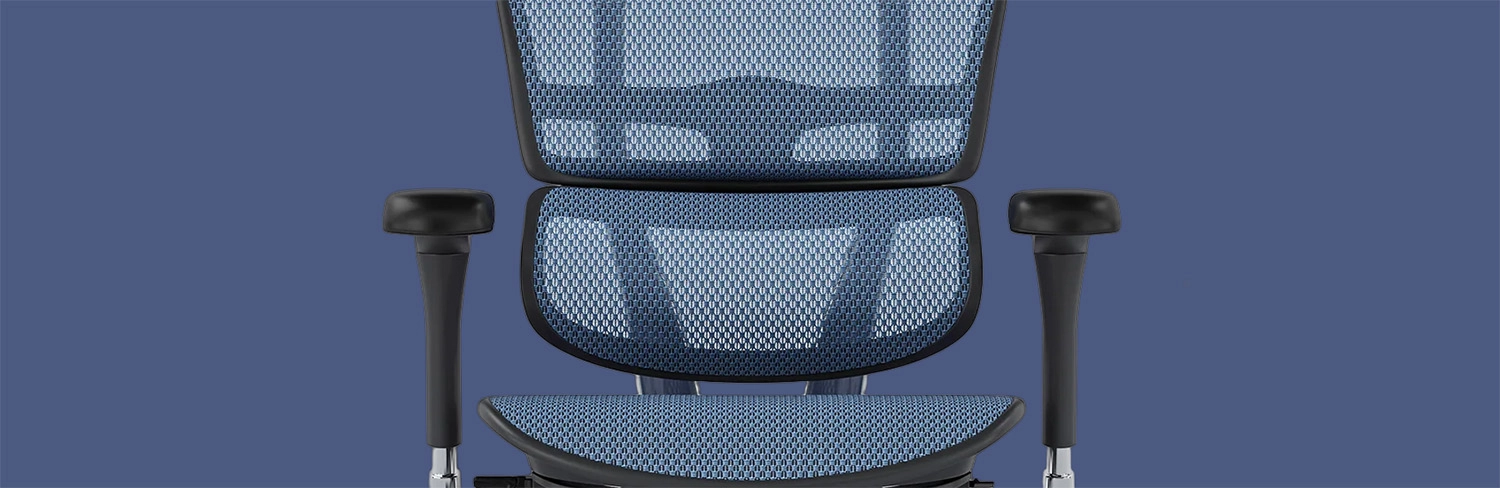
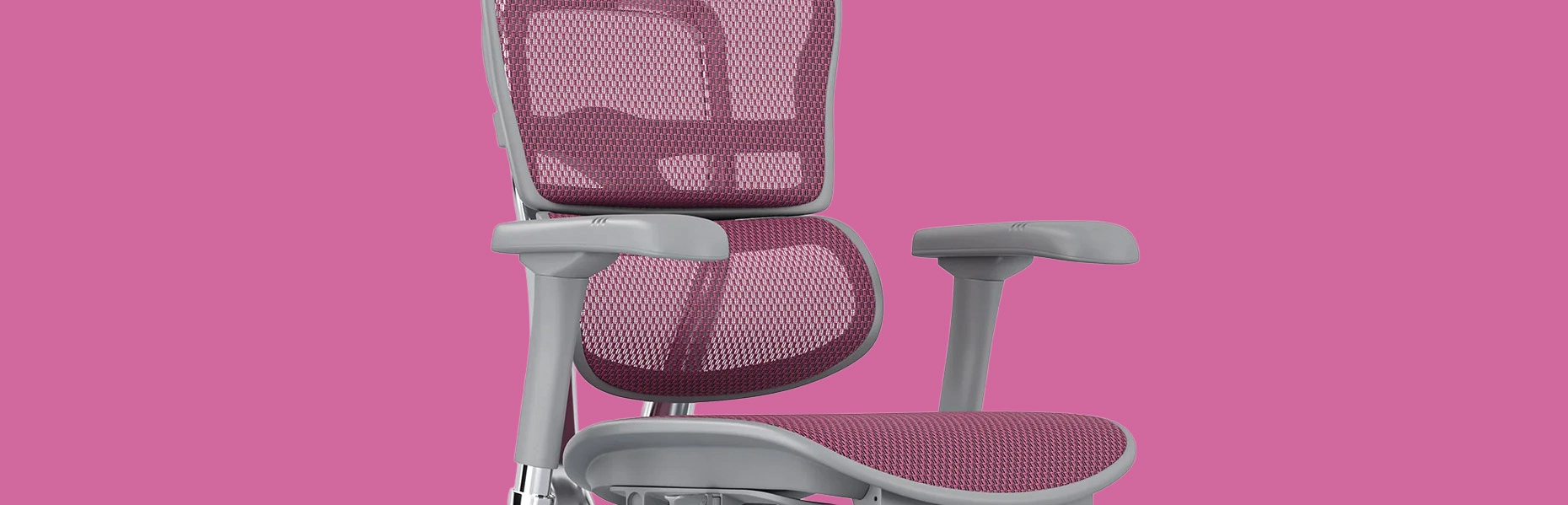
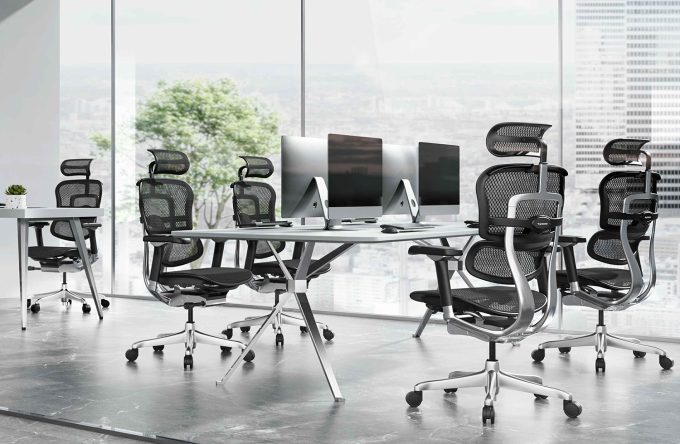
Mesh seating takes a fundamentally different approach, using an open-weave, breathable material stretched across the seat and backrest rather than solid foam cushioning covered in fabric. This design offers clear advantages during Australian summer:
Continuous Airflow
The open weave of quality mesh allows air to pass directly through the material, preventing heat from building up against the body the way it does with solid foam and fabric.
Reduced Moisture Buildup
Because air can circulate through the mesh, perspiration evaporates more efficiently rather than being trapped against the skin.
Consistent Temperature Throughout the Day
Mesh doesn’t retain heat the way foam does, meaning the chair tends to feel similarly cool whether you’ve been sitting for ten minutes or several hours.
Faster Cooling During Breaks
Mesh chairs generally return to a comfortable temperature more quickly than fabric alternatives after periods of non-use, which matters in warmer home offices without constant air conditioning.
For anyone working through an Australian summer without perfectly controlled office temperatures, this difference in breathability often translates directly into noticeably improved comfort throughout the day.
Side-by-Side Comparison
| Factor | Fabric Chairs | Mesh Chairs |
|---|---|---|
| Airflow | Limited, restricted by foam base | High, open-weave design |
| Heat retention | Higher, foam holds warmth | Lower, heat dissipates through mesh |
| Moisture handling | Absorbs perspiration | Allows evaporation |
| Cooling between uses | Slower | Faster |
| Best suited for | Cooler climates or air-conditioned spaces | Warm climates, home offices, year-round comfort |
Does Mesh Sacrifice Comfort for Breathability?
A common misconception is that mesh chairs trade comfort for breathability, offering a firmer, less plush feel compared to cushioned fabric seating. While this may have been true of older or lower-quality mesh designs, modern high-quality mesh chairs are engineered specifically to balance both.
Quality mesh construction uses multiple layers or varying tension zones to provide targeted support exactly where the body needs it, particularly around the lower back and seat base, while still maintaining the airflow benefits of an open-weave design. This means a well-built mesh chair doesn’t have to feel like a compromise between comfort and temperature control, it can genuinely offer both.
Who Benefits Most from Switching to Mesh
While anyone working long hours at a desk can benefit from improved airflow, certain groups notice the difference most:
- Home office workers without consistent air conditioning throughout the day
- Anyone in warmer regions of Australia experiencing extended periods of high heat and humidity
- People who run naturally warm or experience discomfort more quickly in enclosed, cushioned seating
- Shared or multi-user workspaces where consistent comfort across different body types and preferences matters
If you’ve noticed yourself adjusting position frequently, feeling warm partway through the workday, or avoiding sitting fully back in your chair during summer months, it’s a strong signal that a mesh upgrade could make a meaningful difference.
What to Look for When Choosing a Mesh Office Chair
Not all mesh chairs are built to the same standard. When comparing options, look for:
Dual-Layer or Multi-Tension Mesh
Higher-quality mesh uses varying tension across different zones of the seat and back, balancing breathability with genuine support rather than a single uniform stretch.
Durable Mesh That Holds Its Shape
Lower-quality mesh can sag or lose tension over time. Look for mesh specifically engineered to maintain its shape and support across years of daily use.
Adjustable Lumbar Support Built Into the Mesh Design
The best mesh chairs integrate genuine lumbar adjustability directly into the breathable design, rather than sacrificing support for airflow.
Reinforced Frame and Components
Since mesh chairs are often used for genuine full-time desk work, a durable frame and quality mechanical components ensure the chair performs well beyond just staying cool.
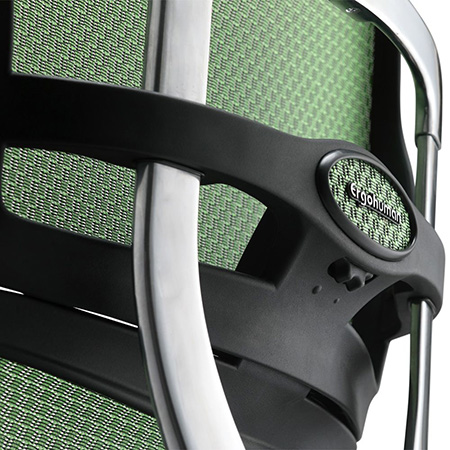
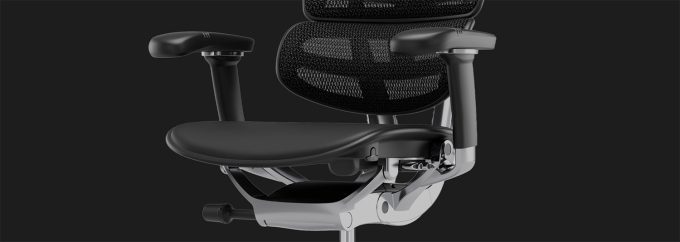
For a chair built specifically around these priorities, you can view our mesh chairs here, featuring durable W-Mesh construction, adjustable lumbar support, and a design engineered to stay comfortable through Australia’s warmest months without compromising on genuine ergonomic support.
Final Thoughts
When comparing mesh vs fabric office chairs for Australian summer, the material difference genuinely matters. Fabric chairs can offer excellent cushioning, but they simply aren’t designed to handle heat and moisture the way breathable mesh is. For anyone spending long hours at a desk through the warmer months, particularly without constant air conditioning, switching to a quality mesh chair often makes a noticeable difference to daily comfort and focus.
Considering the switch to mesh for summer? Get in touch with our team to find the right breathable, ergonomic mesh chair for your workspace and climate.
What Is a 5D Armrest? A Complete Guide to Office Chair Armrest Adjustment
If you have shopped for an ergonomic office chair recently, you have...
ErgoHuman Staff28 September 2026
When Should You Replace Your Office Chair? 9 Signs It’s Time for an Upgrade
Most people do not think about their office chair until it starts...
ErgoHuman Staff25 September 2026
Is an Expensive Office Chair Worth It? What You’re Really Paying For
A $150 chair and a $1,500 chair can both claim to be...
ErgoHuman Staff22 September 2026
$500 vs $1,000 Office Chair: What Do You Actually Get for the Extra Money?
If you have spent any time comparing chairs online, you already know...
ErgoHuman Staff18 September 2026