

How to Clean a Mesh Office Chair in Australia: Complete Maintenance Guide
 ErgoHuman Staff15 July 20268 Mins read
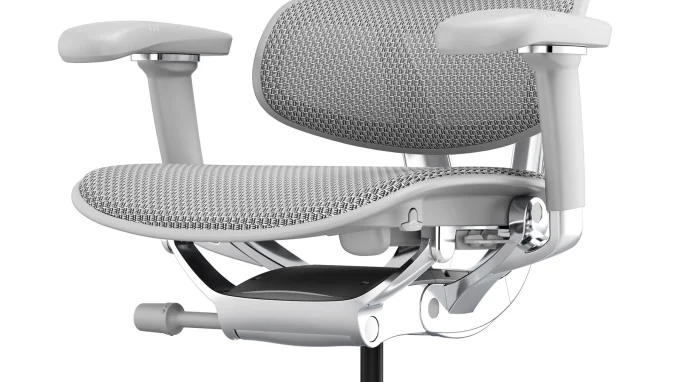
Knowing how to clean mesh office chair Australia owners use every day can help keep an ergonomic chair looking professional, feeling comfortable and operating smoothly for longer. Dust, hair, fabric fibres and everyday debris can gradually collect in mesh, around castors and between moving components, particularly when a chair is used for long working days. At Ergohuman Australia, ergonomic chairs are designed for long-term use, and simple office chair maintenance can help protect that investment. Regular cleaning, occasional hardware checks and timely replacement of worn components can prevent minor issues from becoming frustrating problems.
Whether your chair has elastomeric mesh, fabric upholstery or a combination of materials, maintenance does not need to be complicated. The most important principle is to use gentle cleaning methods, avoid harsh chemicals and pay attention to areas that experience regular movement and contact.
This guide explains how to clean mesh office chairs, care for fabric surfaces, deal with common squeaks, maintain castors, check bolts and identify when an Ergohuman replacement part may be a better solution than continuing to use a worn component.
Why Regular Office Chair Maintenance Matters
An ergonomic office chair contains far more moving components than a basic fixed chair. The seat, backrest, recline mechanism, armrests, castors and adjustment controls may all move repeatedly throughout the working day.
Over time, dust and debris can collect around these areas. Bolts can occasionally require checking after prolonged use, castors can collect hair and fibres, and surfaces naturally become dusty from the surrounding environment.
Regular office chair maintenance therefore serves two purposes. It keeps the chair looking cleaner while also giving you an opportunity to notice changes before they become more significant.
A small amount of movement around an armrest mounting point, for example, may simply indicate that a fixing requires checking. A castor that suddenly stops rolling smoothly may have collected hair around its axle rather than needing complete replacement.
Regular maintenance makes it easier to identify these issues early.
How to Clean Mesh Office Chair Australia Users Rely On
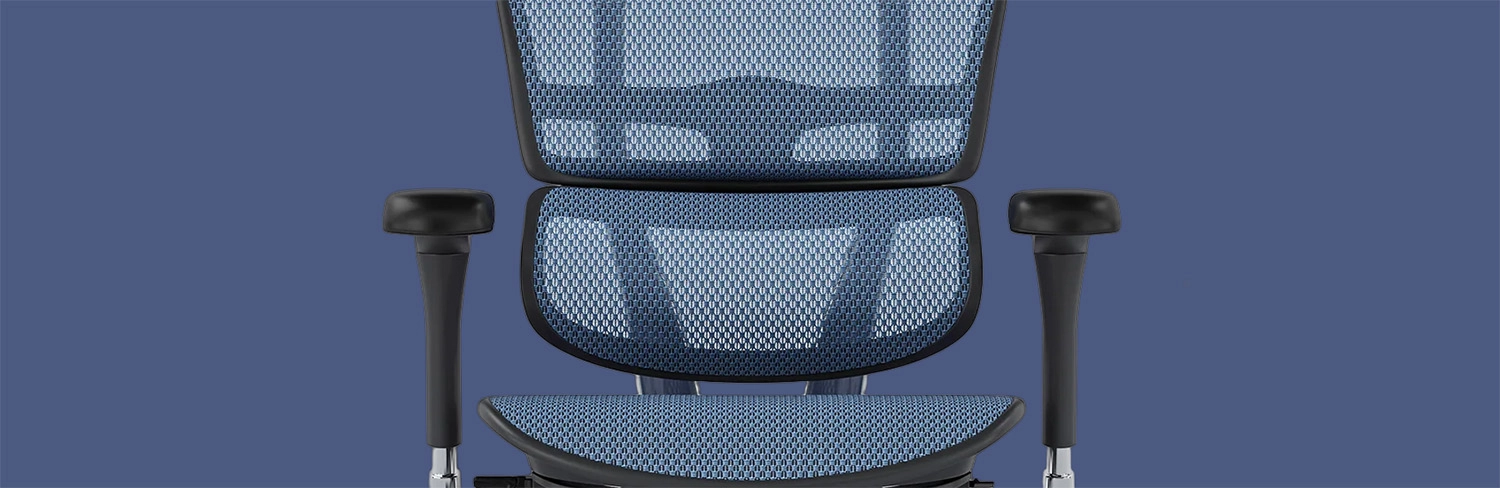
If you are researching how to clean mesh office chair Australia conditions can make regular cleaning particularly worthwhile. Open windows, household dust, pet hair and everyday office debris can gradually become trapped within the mesh structure.
Begin with dry cleaning rather than immediately applying moisture.
A vacuum cleaner used carefully on a low setting can remove loose dust from the seat and backrest. A soft brush attachment is particularly useful because it allows you to move across the mesh without aggressively pulling at the material.
Work methodically across the backrest and seat rather than repeatedly rubbing one area. Pay additional attention to edges where dust can gather between the mesh and surrounding chair frame.
After removing loose debris, inspect the surface for small marks or areas requiring further attention.
A slightly damp, soft cloth can be useful for light spot cleaning. Avoid saturating the mesh. The goal is to clean the surface rather than soak liquid through the chair.
Once finished, allow the chair to dry naturally before normal use.
Cleaning Elastomeric Mesh Without Damaging It
Elastomeric mesh is designed to combine flexibility with support, so it should be treated differently from a solid plastic or metal component.
One of the most common cleaning mistakes is assuming that stronger chemicals will produce a cleaner result. Harsh household cleaners, solvents or aggressive stain-removal products may not be appropriate for specialised chair materials and can potentially affect finishes or surfaces.
Gentle cleaning should always be your starting point.
Vacuuming removes particles without pushing them further into the mesh. For remaining surface dirt, use minimal moisture and a soft cloth rather than hard scrubbing.
Avoid using abrasive brushes that could catch the mesh fibres. You should also avoid pulling or stretching the mesh while cleaning it.
The same principle applies when cleaning around the seat edge. Rather than inserting sharp tools between the mesh and frame to remove debris, use a soft brush, vacuum attachment or cloth wherever possible.
Good cleaning is about consistency rather than force.
How Often Should You Clean a Mesh Office Chair?
There is no single cleaning schedule that suits every workspace because the environment makes a significant difference.
A chair in a clean corporate office may accumulate dust differently from a chair in a busy home office with pets, carpet and open windows. Someone using their chair for ten hours each day may also need to clean it more frequently than someone who works from home once or twice a week.
A practical approach is to vacuum visible dust whenever it begins to accumulate rather than waiting until the mesh becomes noticeably dirty.
Light regular cleaning usually requires less effort than attempting to restore a chair after months or years without maintenance.
It also creates an opportunity to check the castors, armrests and hardware while you are already inspecting the chair.
For anyone learning how to clean mesh office chair Australia workspaces contain, consistency is more important than using complicated cleaning products.
How to Clean Fabric Office Chair Surfaces
Fabric requires a slightly different approach because dust can become embedded within the textile fibres.
Start by vacuuming the surface gently using an upholstery or soft brush attachment. This removes loose particles before any damp cleaning begins.
If a small area requires spot cleaning, use a clean cloth and apply as little moisture as possible. Blot rather than aggressively rubbing the fabric because repeated hard rubbing can spread a stain or change the appearance of the material.
Always be cautious when introducing cleaning products to office-chair upholstery. Products designed for one type of textile may not necessarily be appropriate for another.
If you are uncertain about a specific stain or cleaning solution, testing cautiously on a discreet area or seeking guidance before applying it broadly is preferable to experimenting on the most visible section of the chair.
The objective is to remove dirt while preserving the appearance and structure of the upholstery.
How to Fix a Squeaky Ergonomic Chair
If you are trying to fix squeaky ergonomic chair noises, first identify where the sound is actually coming from.
Office chairs contain several moving points, and a squeak that appears to come from underneath the seat could be related to a mounting point, adjustment mechanism or another component moving under load.
Begin with a visual inspection.
Check whether anything appears loose and pay particular attention to accessible mounting bolts around areas such as the backrest and armrests. Over a long period of use, it is good practice to make sure these remain properly secured.
If you identify a loose fixing, use the correct tool and tighten it appropriately. Avoid excessive force. Overtightening can be just as undesirable as leaving a component loose because different fixings and materials are designed to operate at appropriate tension.
After checking accessible hardware, sit in the chair and gently reproduce the movement that caused the noise. This can help determine whether tightening solved the issue.
If the sound continues and appears to come from an internal mechanism, gas lift or another specialised component, professional advice may be preferable to dismantling important chair mechanisms without instructions.
Should You Lubricate a Squeaky Office Chair?
Lubrication can sometimes be associated with squeaky furniture, but it should not be treated as the automatic solution to every office-chair noise.
A squeak caused by a loose fixing will not necessarily be solved properly by spraying lubricant around the chair. Likewise, applying lubricant randomly to upholstery, mesh, plastic surfaces or internal mechanisms can create unnecessary mess and may attract additional dust.
First determine whether the issue is simply loose hardware or debris around a moving component.
If lubrication is genuinely required for a particular mechanical point, use only a product and method suitable for that component and keep it away from mesh, fabric and surfaces that users regularly touch.
Avoid spraying products broadly into the mechanism without identifying the source of the noise.
Good office chair maintenance should always focus on diagnosing the problem first rather than applying a quick fix everywhere.
Check Chair Bolts Before Small Problems Grow
One of the simplest maintenance tasks is checking accessible bolts periodically.
Repeated reclining, arm movement and normal everyday use can place ongoing loads through the chair structure. Although hardware should remain secure under normal conditions, it is sensible to inspect important mounting points from time to time.
The backrest and armrest areas deserve particular attention because movement can make looseness more noticeable.
If you feel unexpected movement, do not simply continue using the chair for months while the problem becomes more pronounced. Identify the relevant fixing and check whether it requires tightening.
This type of simple preventative maintenance can reduce unnecessary movement and may also eliminate noises that users initially assume are coming from an internal mechanism.
For chairs used heavily every working day, making hardware inspection part of an occasional maintenance routine is a sensible habit.
How to Clean and Maintain Office Chair Castors
Castors are among the hardest-working components on an office chair.
Every time you move towards the desk, roll backwards or turn the chair, the castors are operating against the floor. Unfortunately, they also collect hair, carpet fibres, dust and other debris.
Turn the chair carefully so you can inspect each wheel. Remove visible debris around the wheel and axle without using excessive force or damaging the castor.
A vacuum and soft cleaning tools can help remove loose material.
If a castor continues to roll poorly after cleaning, inspect it for visible wear or damage. A damaged wheel may be better replaced than repeatedly cleaned.
Keeping castors clean is also useful for the floor beneath the chair. Wheels that rotate normally move more predictably than castors restricted by accumulated debris.
When Cleaning Is Not Enough: Ergohuman Replacement Parts
Maintenance can extend the useful life of a chair, but components will naturally wear after years of regular use.
This does not automatically mean the entire office chair needs to be replaced.
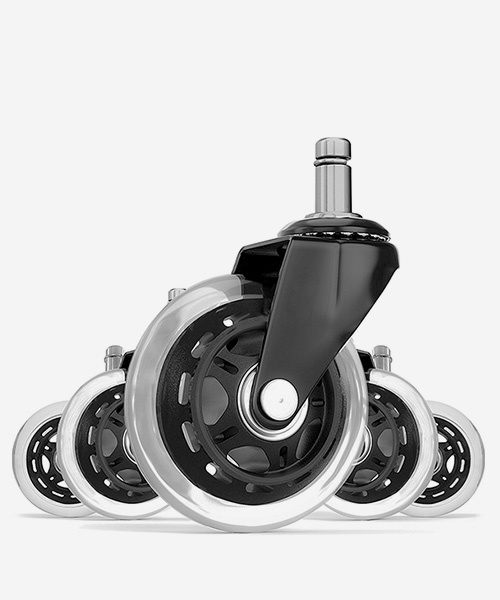
Ergohuman Australia offers genuine parts for various chair models, allowing owners to replace individual components when appropriate. The Ergohuman Accessories and Spares range is useful for customers looking for compatible parts and upgrades.
Depending on the chair model, replacement items can include components such as arm pads, castors, gas lifts and seating parts.
This makes Ergohuman replacement parts particularly valuable for people who have owned the same chair for many years. If the main chair remains in good condition but one high-use component has worn, replacing that component can extend the chair’s practical life without unnecessarily replacing the complete chair.
Correct compatibility matters, however. Ergohuman has produced different chair generations and models, so confirm that the replacement component is designed for your specific chair before ordering.
Signs Your Office Chair May Need Replacement Parts
A worn component often gives warning signs before it completely fails.
Castors may become difficult to roll even after debris has been removed. Arm pads can develop visible wear after prolonged contact. A gas lift may no longer maintain the desired seat height. Mesh or upholstery can also eventually show signs of ageing after many years of regular use.
These situations are different from routine dirt or a slightly loose fixing.
Cleaning cannot restore a physically worn component, and repeatedly tightening something that has been damaged is not a substitute for installing the correct part.
If you are unsure whether your chair needs adjustment, maintenance or replacement components, identifying the chair model and the exact area causing the problem is the best starting point.
Genuine Ergohuman replacement parts also remove uncertainty about whether a generic component will fit the existing chair correctly.
Protecting Your Office Chair From Everyday Wear
Good maintenance involves more than cleaning after something becomes dirty.
Keeping the chair away from unnecessary exposure to harsh environmental conditions can help preserve its appearance. Direct sunlight over extended periods can affect many furniture materials, so thoughtful positioning within a home office can be beneficial.
Avoid placing drinks where they are likely to spill onto the seat or mechanism. If something is accidentally spilled, deal with it promptly rather than allowing moisture or residue to remain on the material.
Keep the surrounding floor clean so castors are not constantly collecting fibres and debris.
Most importantly, use the chair as intended. Avoid standing on it, placing unusual loads on armrests or exceeding the chair’s applicable specifications.
Small habits repeated over several years can have a significant effect on how a chair ages.
How to Clean Mesh Office Chair Australia: Keep Your Chair Performing at Its Best
Learning how to clean mesh office chair Australia owners use regularly is ultimately about simple preventative care. Vacuuming dust from mesh, cleaning marks gently, removing debris from castors and periodically checking accessible hardware can keep an ergonomic chair looking and operating better over time.
If a chair begins squeaking, identify the source before immediately reaching for lubricant. Check for loose accessible fixings and determine which movement produces the sound. If a component has genuinely worn after years of service, replacing the individual part may be more practical than replacing the entire chair.
This is where long-term parts availability becomes particularly valuable. Ergohuman owners can explore the Ergohuman Accessories and Spares range when castors, arm pads, gas lifts or other compatible components eventually require attention.
A premium ergonomic chair is designed to be used, adjusted and moved every working day. Giving it regular care helps protect that investment and keeps your workspace cleaner, quieter and ready for the next working day.
Ergohuman Ultra Review: Is It Worth Buying in 2026?
If you've spent any time comparing ergonomic office chairs in Australia, chances...
ErgoHuman Staff2 September 2026
Ergohuman 2 Elite Review: Is the Elite Mark II Worth the Upgrade?
The Ergohuman 2 Elite Mark II has become one of the most...
ErgoHuman Staff1 September 2026
Best Home Office Chairs in Australia: 2026 Buyer’s Guide
Choosing the right home office chair is one of those decisions that...
ErgoHuman Staff29 August 2026
Leather Office Chair Buying Guide: How to Choose Genuine Leather vs Other Materials
If you spend eight or more hours a day at your desk,...
ErgoHuman Staff28 August 2026