


Office Chair Dimensions Explained: How to Know if a Chair Will Fit Your Desk and Workspace
 ErgoHuman Staff15 September 20265 Mins read
Buying a premium ergonomic chair is a different decision to picking a $150 office special. When you’re spending real money on a chair built to last a decade, “it looked good in the photos” isn’t good enough you need to know the actual office chair dimensions before it arrives. A chair that’s technically ergonomic can still be the wrong chair if it doesn’t clear your desk, jams under a low return, or can’t get through your office doorway.
This guide breaks down every measurement that matters — width, depth, height, armrests, clearance — so you can check a chair against your workspace before you buy, not after it’s sitting in your hallway.
Why Office Chair Dimensions Matter More Than You Think
Most people research ergonomics — lumbar support, mesh vs foam, tilt mechanisms — and skip the measuring tape entirely. But an ergonomic chair only works as intended when it physically fits the person and the space. A chair with excellent lumbar support does nothing for your back if the seat depth is wrong and you can’t sit against the backrest, or if the armrests hit your desktop before your hands reach the keyboard.
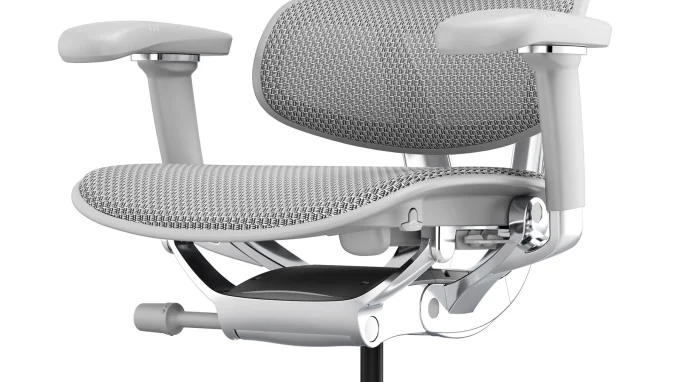
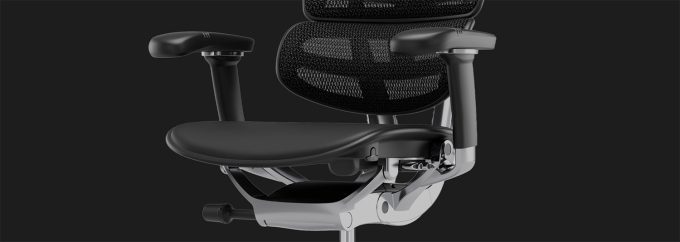
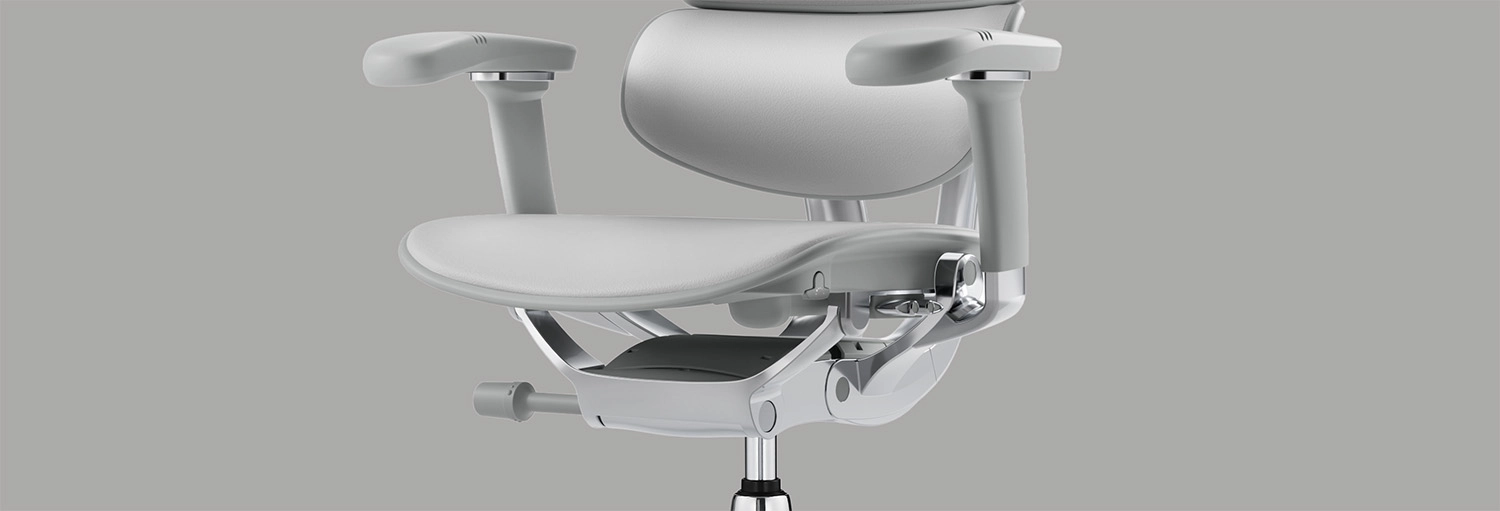
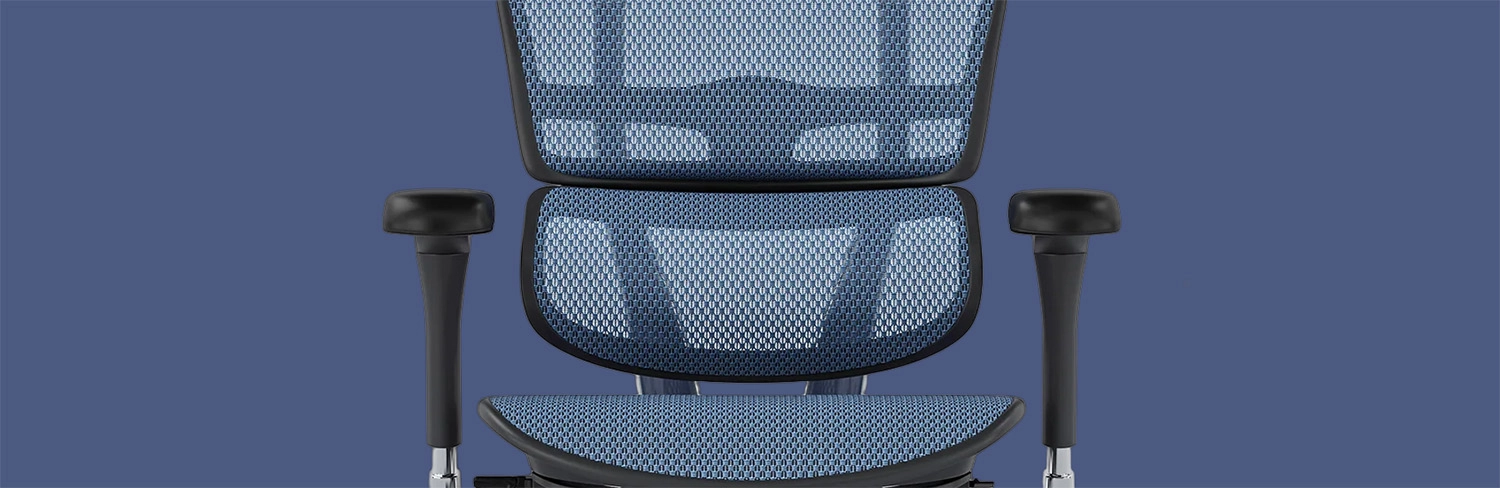
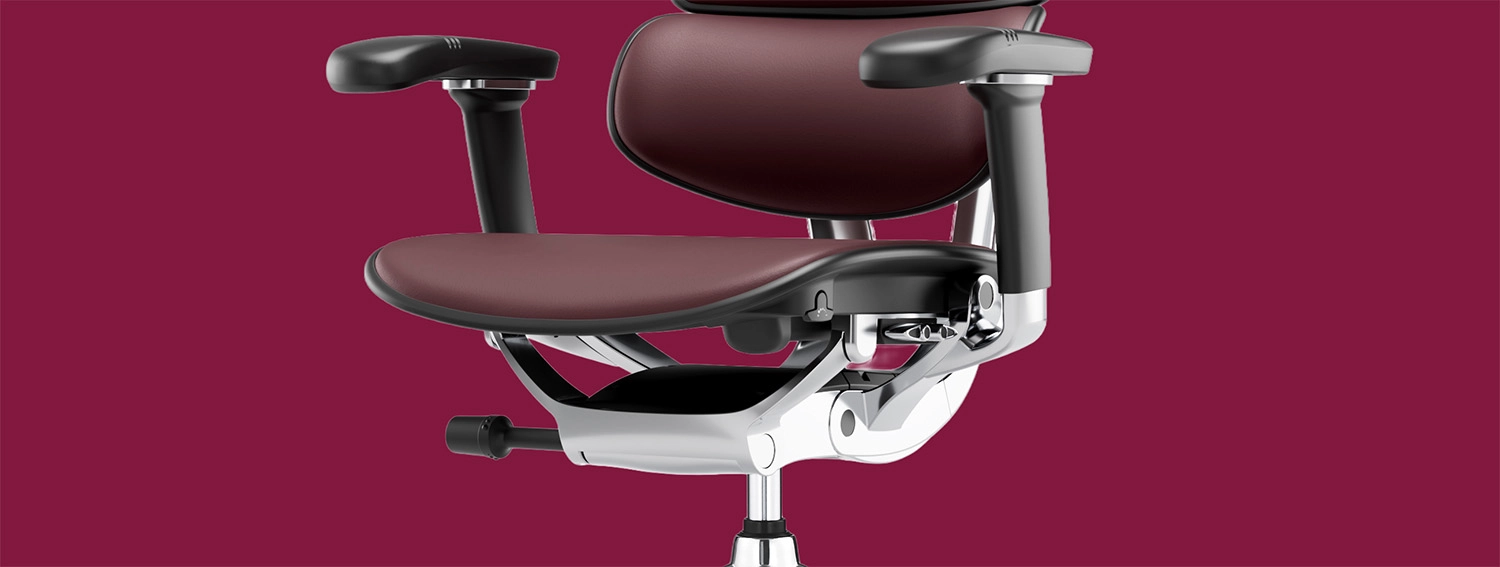
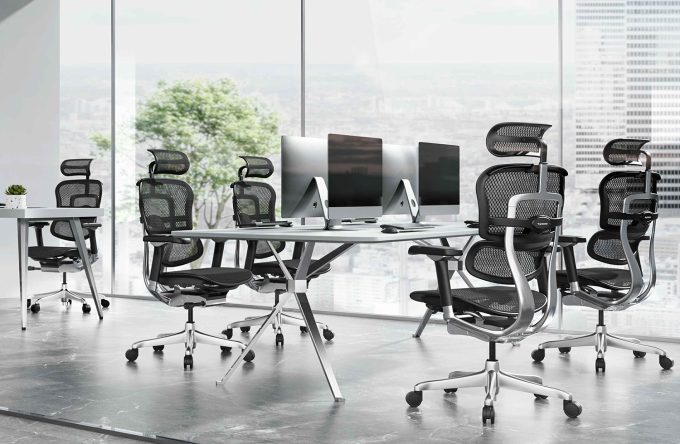
Getting the dimensions right up front avoids three common problems: chairs that don’t tuck under the desk, armrests that collide with drawers or desktop edges, and chairs that simply won’t fit through the door or up the stairs on delivery day. The Ergohuman 2 Elite Mark II office chair is a good reference point for this article, since it’s fully adjustable across most of the dimensions buyers ask about.
Chair Width: The Overall Footprint
Overall chair width is measured across the outside of the armrests at their widest setting, not across the seat itself. This is the number to check against narrow desks, cramped home offices, or shared workstations where two chairs sit side by side. A chair with 5D armrests, like the Ergohuman 2 Elite Mark II, can usually be narrowed by adjusting armrest width inward, which helps in tighter spaces.
Seat Width: How Much Room You Actually Need
Seat width is the flat, usable surface you sit on, measured hip to hip across the front of the cushion. Too narrow and the chair feels cramped and unstable; too wide and you lose lateral support, especially during recline. Most ergonomic chairs sit in the 48–52 cm range, which comfortably supports the majority of adult body types without feeling oversized on a compact desk.
Seat Depth: The Measurement Most Buyers Get Wrong
Seat depth is the distance from the front edge of the seat to the backrest, and it’s the single most misunderstood office chair dimension. The correct fit leaves a 2–3 finger gap between the back of your knees and the front of the seat when you’re sitting fully back against the backrest. Too deep, and you either can’t reach the backrest or the seat edge cuts into the back of your knees, restricting circulation. This is exactly why adjustable seat depth (a sliding seat pan) matters so much on a premium chair — it lets the same chair properly fit a 165 cm frame and a 190 cm frame.
Overall Chair Height and Ceiling Clearance
Overall height is measured from the floor to the top of the chair at its highest point — usually the headrest, when fitted, at maximum extension. This matters more than people expect in sloped-ceiling home offices, converted attics, or rooms with low overhead shelving. Always check the maximum height figure, not the average, since that’s the number that could clash with a shelf or sloped roofline above your desk.
Armrest Height and Desk Compatibility
Armrest height is measured from the seat surface to the top of the armrest pad, and it needs to line up with your desktop height so your shoulders stay relaxed rather than hunched or shrugged. If armrests sit higher than your desk surface, they’ll physically stop the chair from sliding fully under the desk.
Fixed vs Adjustable Armrests
A fixed-height armrest locks you into one desk setup. Multi-directional armrests — adjustable for height, width, depth and angle — solve this by letting you drop the armrests low enough to slide under a desk with a shallow apron, then raise them again for typing support. This is one of the most practical reasons buyers choose a chair with 5D armrests over a basic 2D or fixed design.
Minimum and Maximum Seat Height: Matching Your Desk
Seat height range — the minimum and maximum distance from the floor to the seat surface — needs to be checked against your desk height, not just your own height. As a rough rule, subtract about 25–28 cm from your desk height to find the seat height that keeps your forearms level with the desktop. Standard desks (72–75 cm) suit most chairs’ default range, but taller sit-stand desks or older, higher desks may need a chair with an extended-height gas lift to avoid sitting too low relative to the desktop.
Reclined Depth: Space Behind the Chair
Reclined depth is the extra floor space the chair occupies once you tilt back — the distance from the front of the seat to the rearmost point of the backrest at full recline. This is easy to overlook because it’s invisible when the chair is upright, but it’s the number that determines whether you’ll knock into a wall, credenza, or window ledge every time you lean back to think. Chairs with a synchro-tilt or free-float recline mechanism, such as the Elite Mark II’s 48º recline, can add a meaningful amount of depth behind the seated position — measure your available wall clearance before assuming it will fit.
Desk Clearance: Legroom and Under-Desk Space
Desk clearance is the vertical and horizontal space under the desktop, and it needs to accommodate the chair’s armrests, seat height range, and your own legroom. Measure the height from floor to the underside of your desk, then compare it against the chair’s armrest height at its lowest setting plus the seat height. If armrests can’t drop low enough to clear the desk’s apron, the chair either won’t tuck in fully or the armrests will need to be removed.
Doorway and Room Clearance: Getting the Chair Home
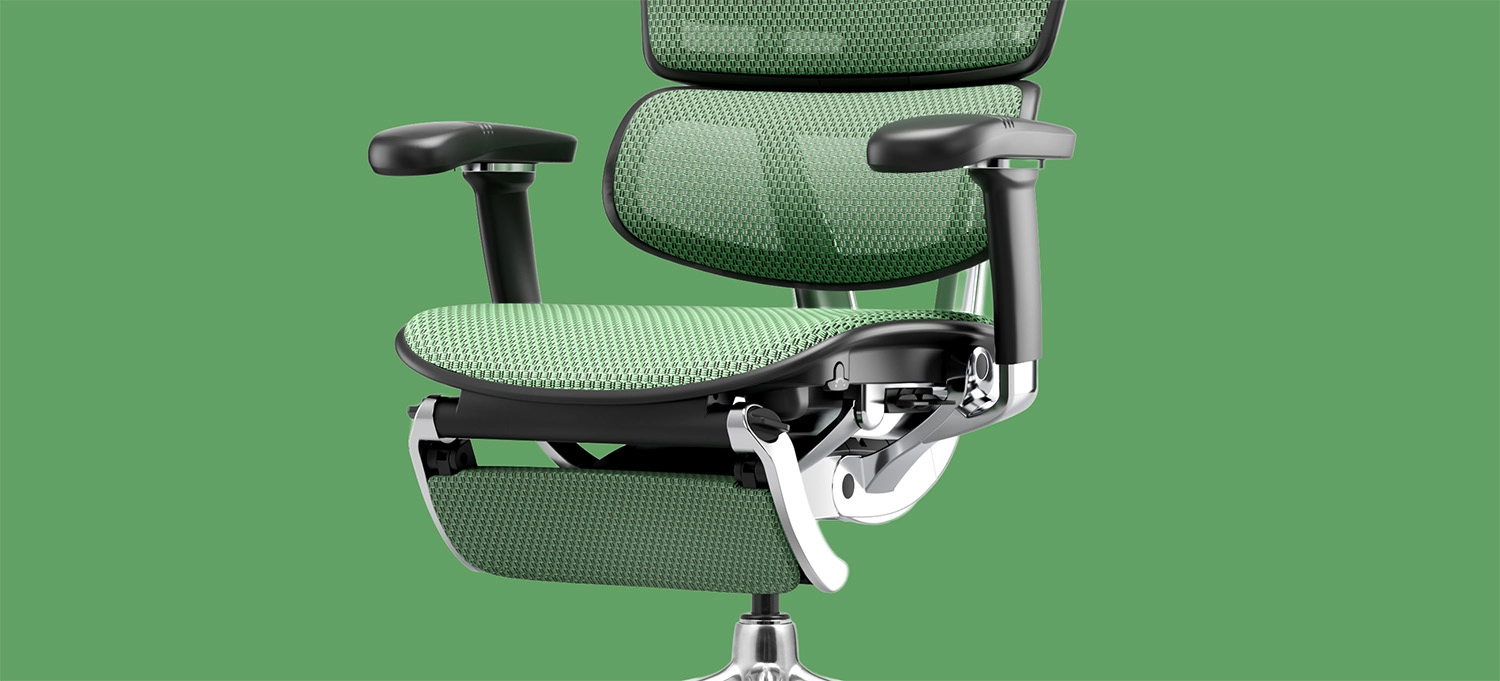
The dimension buyers forget most often is the simplest one — will the assembled or boxed chair actually get through the door? Measure your narrowest doorway, stairwell turn, or lift width before ordering, particularly for chairs with wide bases, integrated headrests, or an optional legrest attachment, which all add to the shipped footprint. It’s worth checking this against the flat-packed carton dimensions as well as the assembled chair, since most premium ergonomic chairs ship semi-assembled.
Ergohuman 2 Elite Mark II Dimensions at a Glance
| Measurement | Approximate Dimension |
|---|---|
| Overall height (to headrest) | 116.8 – 129.5 cm |
| Overall depth (upright) | 69.8 cm |
| Backrest height | 70 – 75 cm |
| Backrest width | 54 cm |
| Seat width | 49.5 cm |
| Seat depth (adjustable) | 39.4 – 45 cm |
| Headrest length | 15.2 cm |
| Headrest width | 31.8 cm |
| Legrest extension (optional) | 39.9 cm |
These figures reflect the Elite range’s cast-aluminium chassis and 5D armrest system, and give you a practical reference point when comparing against your own desk and doorway measurements. Full specifications and finish options are available on the Ergohuman 2 Elite Mark II product page.
How to Measure Your Own Workspace Before You Buy
- Measure desk height from floor to desktop surface.
- Measure the clearance under the desk to the underside of the desktop.
- Measure your narrowest doorway or stairwell width.
- Measure the wall clearance behind your seated position for recline.
- Sit at your desk and measure the back of your knee to the floor, to estimate ideal seat height.
Cross-check each of these against the chair’s published dimensions — including the Elite Mark II’s adjustable ranges — before placing an order.
Final Thoughts
Office chair dimensions aren’t just spec-sheet trivia — they’re what determines whether an ergonomic chair actually functions as one in your specific workspace. Take five minutes with a tape measure before you buy, and a chair like the Elite Mark II’s adjustable seat depth, height range, and 5D armrests will do the rest of the work fitting itself to you. If you’re not sure which configuration suits your desk setup, get in touch with the Ergohuman Australia team for guidance before you order.

What Is a 5D Armrest? A Complete Guide to Office Chair Armrest Adjustment
If you have shopped for an ergonomic office chair recently, you have...
ErgoHuman Staff28 September 2026
When Should You Replace Your Office Chair? 9 Signs It’s Time for an Upgrade
Most people do not think about their office chair until it starts...
ErgoHuman Staff25 September 2026
Is an Expensive Office Chair Worth It? What You’re Really Paying For
A $150 chair and a $1,500 chair can both claim to be...
ErgoHuman Staff22 September 2026
$500 vs $1,000 Office Chair: What Do You Actually Get for the Extra Money?
If you have spent any time comparing chairs online, you already know...
ErgoHuman Staff18 September 2026




Leave a comment