

Best Home Office Chairs in Australia: 2026 Buyer’s Guide
 ErgoHuman Staff29 August 20265 Mins read
Choosing the right home office chair is one of those decisions that seems small until you’re six months into a job and dealing with lower back pain every afternoon. With more Australians working from home than ever, the market is flooded with options but very few chairs are actually built to handle full 8-hour workdays without breaking down your posture over time.
This guide walks through how to choose the best home office chair for your specific situation in 2026, broken down by use case: long hours, smaller spaces, premium comfort, mesh breathability, and more. Whether you’re setting up your very first home office or replacing a chair that’s let you down, this should help you land on the right option.

What Makes a Chair Actually Good for Home Office Use?
Before getting into specific picks, it helps to know what separates a genuinely good home office chair from one that just looks the part in photos. The core factors are:
- Lumbar support — ideally adjustable, not just a fixed curve
- Seat depth adjustment — so the chair fits your leg length, not just your height
- Breathable material — mesh performs far better than fabric or leather over long sessions, especially in warmer Australian climates
- Recline and tilt control — your body needs to move through the day, not stay locked in one position
- Build quality — a chair that sags or breaks down within a year isn’t actually good value, regardless of price
With those criteria in mind, here’s how to think about choosing the right chair for different home office setups.
Best Overall Home Office Chair
For most people setting up a serious home office, the best overall pick is a chair that balances full adjustability with long-term durability not just something that feels comfortable in the showroom, but one that holds up after months of daily use. Look for a chair with independent lumbar, seat depth, and armrest adjustment, paired with a mesh back that won’t sag or flatten over time.
This is the category where most buyers should spend the bulk of their research time, since it’s the chair you’ll be sitting in for the majority of your working life.
Best Chair for Long Hours at a Desk
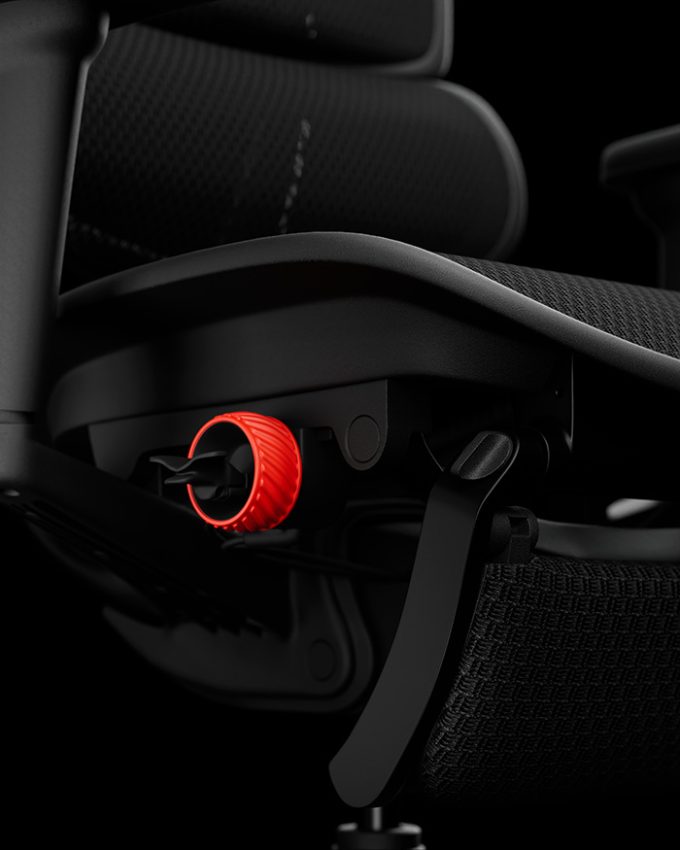
If you’re doing 7+ hour days at your desk, comfort in the first twenty minutes isn’t the metric that matters comfort at hour six is. The best chairs for long-hour use priorities deep lumbar adjustability and a synchronized recline mechanism, so your lower back stays supported even as you shift positions throughout the day.
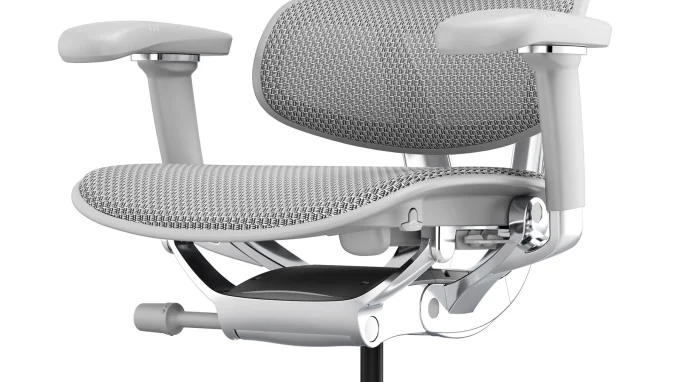
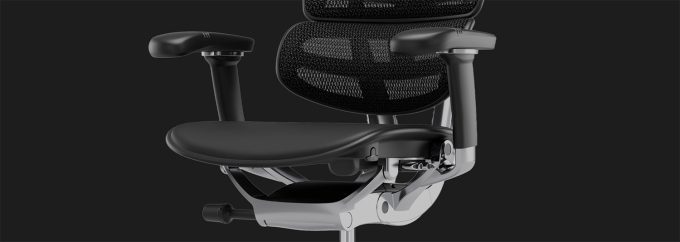
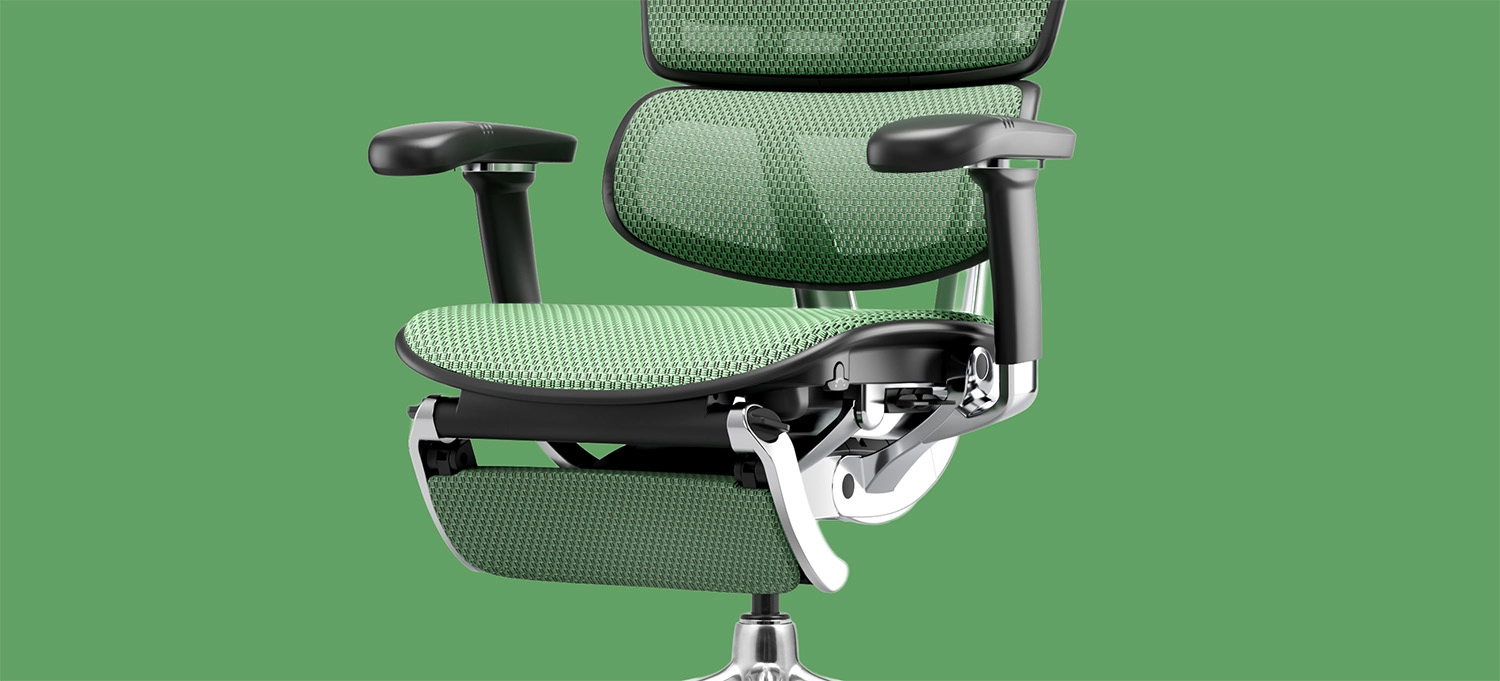
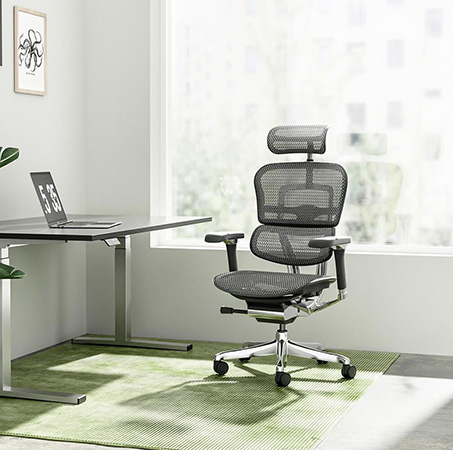
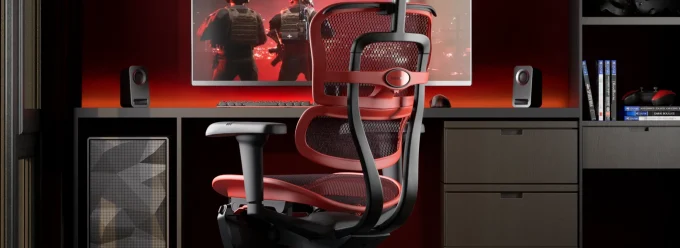
A strong example in this category is the Ergohuman 2 Elite Mesh II with Legrest, which adds a fold-out largest a genuinely underrated feature for anyone who takes short breaks without leaving their desk, or wants to shift into a more relaxed position during calls.
Best Chair for Smaller Home Offices
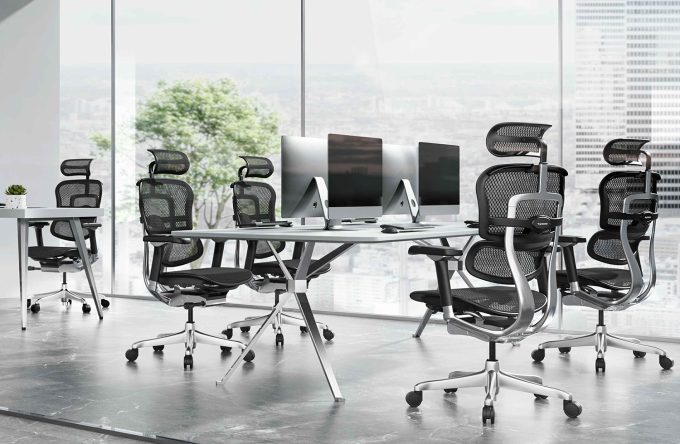
Not every home office has room for a bulky executive chair. If you’re working with a compact spare room, a converted nook, or a shared space, look for a chair with a slightly narrower frame and a base that doesn’t demand a huge footprint. Mesh chairs tend to work well here too, since they visually feel lighter in a small room compared to bulky padded designs.
Adjustability still matters in smaller spaces you shouldn’t sacrifice ergonomic support just because square footage is limited.
Best Premium Home Office Chair
If budget isn’t the primary constraint and you want the most complete ergonomic experience available, a premium chair with fully independent adjustment points lumbar depth and height, seat depth, armrest pivot, and recline tension is worth the investment. These chairs are built for people who’ve already tried cheaper options and found them lacking, particularly around lower back support.
Premium doesn’t just mean more expensive it should mean a noticeably different level of adjustability and build quality that you can feel within the first few days of use.
Best Mesh Chair for Australian Conditions
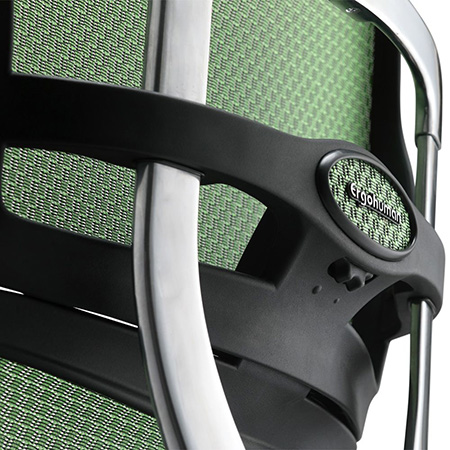
Mesh chairs are particularly well suited to the Australian climate, where warmer months make breathability a genuine comfort factor rather than a nice-to-have. A good mesh chair uses dual-tension mesh firm enough to support your back properly, not just a thin layer of fabric stretched over a frame.
The Ergohuman 2 Elite Mesh II is a strong option in this category, combining breathable mesh construction with proper ergonomic adjustment a combination that’s harder to find than it should be at this price point.
Best Chair with Headrest
A headrest isn’t necessary for everyone, but if you spend a lot of time reclined, on video calls, or generally leaning back during the day, it adds real value in reducing neck strain. Look for a headrest that adjusts in both height and angle, rather than a fixed pad a poorly positioned headrest can do more harm than good by pushing your head forward.
If you sit upright and close to your desk most of the day, a headrest may not add much and could even get in the way, so this really comes down to your working style.
Best Chair for Larger or Taller Users
Standard-sized office chairs often fall short for taller or larger users, particularly in seat depth and weight capacity. Look for chairs explicitly designed with a wider seat pan and an extended adjustment range, rather than assuming a “one-size-fits-most” chair will actually fit.
This is an area where cheaper chairs consistently fail the frame and mechanisms simply aren’t built to handle the extra range needed, and comfort (and durability) suffers as a result.
Best Value Home Office Chair
Value doesn’t mean cheapest it means the best ratio of ergonomic performance to price. A genuinely good value chair should still offer adjustable lumbar support and decent build quality, even if it doesn’t have every premium feature. The goal is avoiding a chair that looks like a bargain upfront but needs replacing within a year or two due to sagging mesh or a failing recline mechanism.
Chairs like the Ergohuman 2 Elite Mesh II with Legrest sit in a strong middle ground here genuine ergonomic adjustability without paying for every possible feature at the top of the range.
How to Actually Choose: A Quick Checklist
When comparing chairs side by side, run through this checklist:
- Does the lumbar support adjust in both height and depth?
- Can you adjust seat depth to match your leg length?
- Is the mesh (or padding) rated for daily long-term use, not just occasional sitting?
- Does the recline mechanism lock at multiple angles, or only free-float?
- Are the armrests adjustable in height, width, and depth?
If a chair answers “yes” to most of these, it’s likely a solid long-term investment rather than a short-term fix.
Final Thoughts
The best home office chair for you ultimately depends on how many hours you sit, your body type, and how much you value fine-tuned adjustability versus simplicity. What matters most is avoiding the trap of choosing based on looks alone the chairs that actually hold up over years of daily use are the ones built around genuine ergonomic adjustment, not just aesthetics.
If you want to see a strong all-rounder that covers long-hour comfort, mesh breathability, and solid value, the Ergohuman 2 Elite Mesh II with Legrest is worth a look. And if you’re not sure which chair fits your specific setup or body type, the team can help you decide just to reach out via the contact page.
To browse the full range of ergonomic office chairs, visit Ergohuman,

What Is a 5D Armrest? A Complete Guide to Office Chair Armrest Adjustment
If you have shopped for an ergonomic office chair recently, you have...
ErgoHuman Staff28 September 2026
When Should You Replace Your Office Chair? 9 Signs It’s Time for an Upgrade
Most people do not think about their office chair until it starts...
ErgoHuman Staff25 September 2026
Is an Expensive Office Chair Worth It? What You’re Really Paying For
A $150 chair and a $1,500 chair can both claim to be...
ErgoHuman Staff22 September 2026
$500 vs $1,000 Office Chair: What Do You Actually Get for the Extra Money?
If you have spent any time comparing chairs online, you already know...
ErgoHuman Staff18 September 2026