


When Should You Replace Your Office Chair? 9 Signs It’s Time for an Upgrade
 ErgoHuman Staff25 September 20265 Mins read
Most people do not think about their office chair until it starts causing problems. It happens gradually a slightly sunken seat here, a squeak there until one day you realize you have spent months adjusting your posture around a chair that no longer supports you, instead of the other way around.
An office chair is not designed to last forever, and cheaper chairs in particular have a shorter working life than most people expect. This guide walks through nine clear signs your chair have reached the end of its useful life, what happens if you keep using it anyway, and what to priorities if you decide it is time to upgrade.
Why Office Chairs Wear Out Faster Than You’d Expect
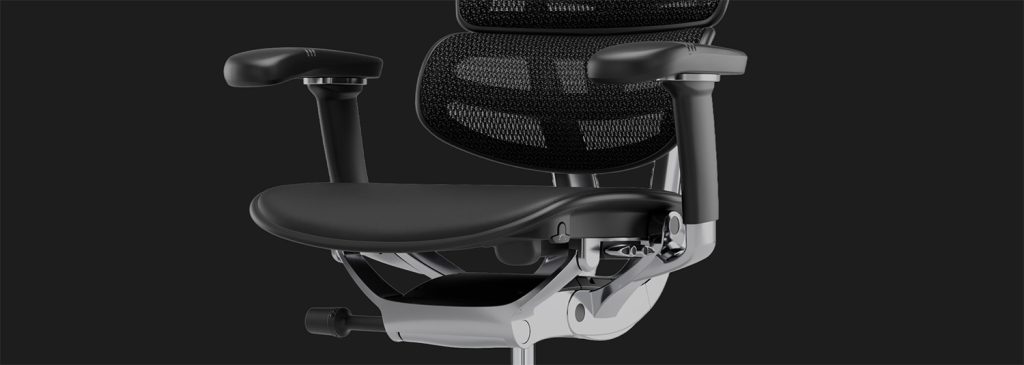
A chair used eight hours a day, five days a week, goes through roughly 2,000 hours of load-bearing use every year. Foam compresses, mesh loses tension, gas cylinders lose pressure, and mechanisms wear down long before the frame itself gives out. Budget chairs, built with lower-density foam and plastic components, often show these signs within two to four years. Even well-built chairs eventually reach a point where the parts that matter most the seat, the mechanism, and the lumbar support no longer do their job properly.
9 Signs It’s Time to Replace Your Office Chair
1. The Seat Has Started Sinking
If you sit down and immediately feel the cushion bottom out, or if the seat looks visibly lower or more compressed than it did when new, the foam has broken down. Once foam compresses permanently, it no longer distributes your weight evenly, which increases pressure on your hips and lower back.
2. The Mesh or Fabric Is Worn, Torn, or Sagging
Mesh backing loses its tension over time, particularly in budget chairs where the mesh was never designed for years of continuous stretch. A sagging or torn backrest no longer supports your spine’s natural curve, which is one of the main jobs a chair is supposed to do.
3. The Armrests Are Loose or Wobbly
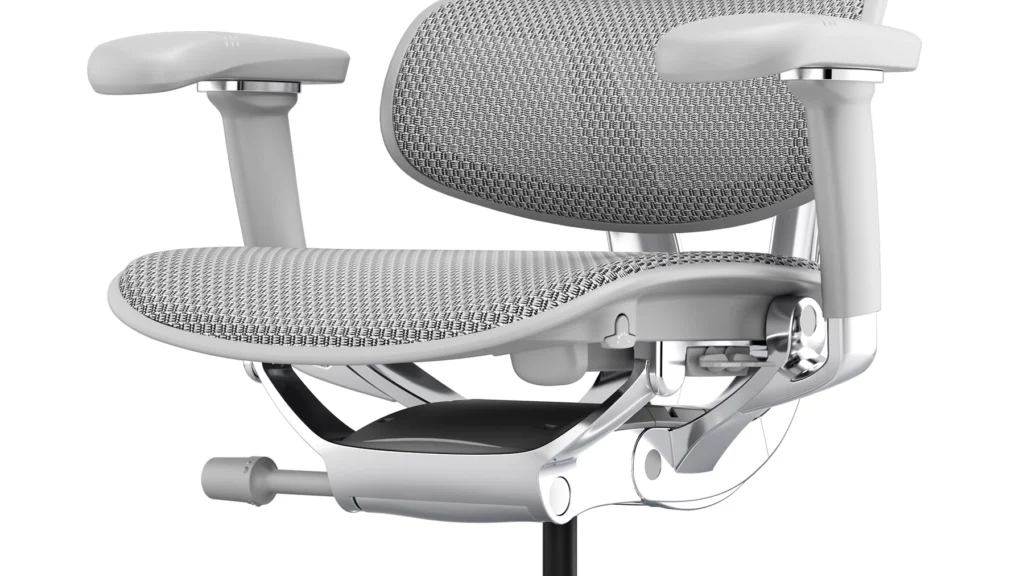
Armrests that wobble, drop under light pressure, or no longer lock in place are more than a minor annoyance. They stop supporting your forearms properly, which shifts extra strain onto your shoulders and neck throughout the day.
4. The Recline Mechanism Is Broken or Stuck
If your chair no longer reclines smoothly, locks unexpectedly, or reclines too easily without resistance, the internal tilt mechanism has likely failed. A broken recline mechanism forces you into a single fixed posture for hours at a time, which is one of the fastest ways to develop back and neck fatigue.
5. The Lumbar Support No Longer Feels Supportive
Lumbar cushions and padding compress just like seat foam. If you find yourself adding a cushion, a rolled towel, or a separate lumbar pillow just to feel supported, that is a strong sign the chair’s built-in support has broken down.
6. You’ve Run Out of Ways to Adjust It
Many budget chairs only ever offered basic seat height and recline adjustment. As your workstation, desk height, or body needs change over time, a chair with limited adjustment options simply cannot keep up. If you have tried every adjustment the chair offers and you are still uncomfortable, the chair has reached its ceiling. This is usually the point where it is worth comparing a fully adjustable ergonomic chair, such as the Ergohuman 2 Elite vs. Luxury SE range, rather than replacing it with another basic office chair.
7. The Base or Wheels Feel Unstable
A wobbly base, a leaning chair, or wheels that stick, squeak, or roll unpredictably are signs of wear in the base and castors. Beyond the annoyance, an unstable base is a genuine safety issue, particularly on hard flooring.
8. You’re Uncomfortable After Short Periods, Not Just Long Ones
Early discomfort after eight hours is normal. Discomfort after one or two hours is not. If you find yourself needing to stand up and stretch far more frequently than you used to, your chair may no longer be providing the support it once did.
9. The Chair No Longer Fits Your Working Style
Your working pattern can change even when your chair does not. Longer hours at a desk, a new job that requires more focus time, or simply spending more days working from home all increase the demands placed on a chair that may have been bought for lighter, occasional use.
What Happens If You Keep Using a Worn-Out Chair
Continuing to use a chair that has failed in one or more of these areas rarely causes an obvious, single injury. Instead, it tends to show up as cumulative strain ongoing lower back tightness, shoulder tension from unsupported armrests, or neck stiffness from sitting in a fixed, poorly reclined position for hours at a time. Because the change happens slowly, many people adjust their posture to compensate without realising the chair, not their body, is the root cause.
Repair or Replace? How to Decide
Not every issue means a full replacement. A squeaky mechanism can sometimes be lubricated, and loose screws can often be tightened. But certain problems are not cost-effective or practical to repair:
- Foam compression cannot be reversed the seat pan or cushion would need full replacement.
- Torn or permanently sagging mesh usually requires the entire backrest to be replaced.
- A failed gas cylinder or tilt mechanism often costs a meaningful percentage of a new chair’s price to repair, without addressing wear in other components.
As a general rule, if two or more of the nine signs above apply to your current chair, replacement is usually more cost-effective than ongoing repairs particularly if the chair is more than four or five years old and was in the budget-to-mid price range originally. If your current chair has reached this point, it is worth considering a fully adjustable ergonomic chair, like those in the Ergohuman 2 Elite vs. Luxury SE range, rather than replacing it with another basic office chair that is likely to wear out on the same short timeline.
What to Look for in a Replacement Chair
If you are ready to upgrade, treat it as a chance to fix the specific problems your old chair had, rather than buying a similar chair again:
- Adjustable lumbar support that moves with your spine, not a fixed pad.
- A synchro-tilt mechanism with seat tension control, so recline resistance matches your body weight.
- 5D or multi-directional armrests that lock securely and adjust to your desk height.
- A long warranty, ideally 10 years on the frame and mechanism, as a signal of expected durability.
- Elastomeric mesh or high-density foam that resists sagging and compression over years of daily use.
Comparing the Ergohuman 2 Elite vs. Luxury SE range is a useful place to start, since both ranges are built around these exact features rather than the basic height-and-recline setup most budget chairs offer.
Final Thoughts
A worn-out office chair rarely announces itself with one obvious failure it is usually a combination of small issues that build up until the chair is working against you rather than for you. Sinking foam, loose armrests, a stuck recline mechanism, and a lack of real adjustability are all signs that repairing the chair is no longer the better option. If two or more of these signs sound familiar, it is a good time to look at a fully adjustable ergonomic chair built to support the way you actually work today, rather than settling for another short-term basic chair.
If you would like help choosing the right model for your body, desk setup, or working hours, get in touch with the Ergohuman Australia team and they can point you in the right direction.
What Is a 5D Armrest? A Complete Guide to Office Chair Armrest Adjustment
If you have shopped for an ergonomic office chair recently, you have...
ErgoHuman Staff28 September 2026
Is an Expensive Office Chair Worth It? What You’re Really Paying For
A $150 chair and a $1,500 chair can both claim to be...
ErgoHuman Staff22 September 2026
$500 vs $1,000 Office Chair: What Do You Actually Get for the Extra Money?
If you have spent any time comparing chairs online, you already know...
ErgoHuman Staff18 September 2026
Office Chair Dimensions Explained: How to Know if a Chair Will Fit Your Desk and Workspace
Buying a premium ergonomic chair is a different decision to picking a...
ErgoHuman Staff15 September 2026




Leave a comment